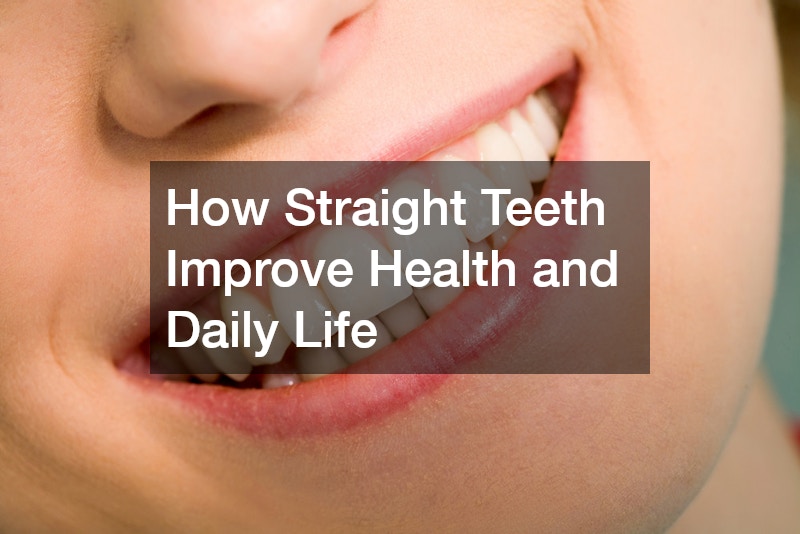

Straight teeth are often associated with aesthetics, but their impact goes far beyond appearance. Tooth alignment plays a critical role in how comfortably you eat, speak, clean your mouth, and even how your jaw functions over time. When teeth fit together properly, the entire oral system—from muscles to joints—works more efficiently. When they don’t, small issues can quietly snowball into daily discomfort or long-term health concerns.
Many people live for years with minor crowding, spacing, or bite issues without realizing how much these problems affect their quality of life. Headaches, jaw tension, frequent cavities, gum irritation, and self-consciousness can all trace back to alignment issues. The good news is that modern dental care offers more ways than ever to address these challenges at different life stages.
This guide explores how straight teeth improve both health and everyday living, with practical advice you can apply whether you’re a parent, an adult considering treatment, or someone simply curious about how alignment affects overall wellness.
How Proper Alignment Reduces Daily Oral Strain
Teeth that align correctly distribute pressure evenly when you chew, talk, and swallow. When alignment is off—even slightly—some teeth take on more force than they’re designed to handle. Over time, this imbalance can lead to worn enamel, muscle fatigue, and jaw discomfort that shows up during everyday activities.
Clear aligner systems like Invisalign have made it easier for adults to address alignment issues without dramatically changing their routines. These systems gradually shift teeth into healthier positions, improving how the bite functions as well as how it feels.
An orthodontist evaluates how your teeth come together, not just how they look. This bite-focused approach helps reduce:
- Jaw tension caused by uneven contact
- Tooth sensitivity from excessive pressure
- Clicking or popping in the jaw joint
- Headaches linked to bite imbalance
Actionable ways to reduce oral strain during alignment treatment include:
- Avoiding hard or sticky foods that stress shifting teeth
- Practicing gentle jaw stretches if recommended
- Wearing aligners or appliances exactly as prescribed
- Reporting discomfort early rather than “pushing through” it
When alignment improves, many people notice chewing feels easier, their jaw feels more relaxed, and daily discomfort fades without them consciously trying to change habits.
Why Early Tooth Alignment Shapes Lifelong Health
Alignment doesn’t begin in adulthood—it starts in infancy and early childhood. The way baby teeth erupt, space themselves, and fall out influences how permanent teeth develop. Monitoring these patterns early helps prevent more complex issues later.
A pediatric dentist often watches for early signs of crowding, crossbites, or jaw development concerns. These professionals focus on growth patterns rather than cosmetic outcomes, helping guide development while bones are still flexible.
An infant dentist can identify habits that affect alignment long before permanent teeth appear, such as:
- Prolonged pacifier or thumb use
- Mouth breathing
- Tongue positioning issues
- Delayed tooth eruption
Practical steps parents can take to support healthy alignment include:
- Encouraging nasal breathing
- Transitioning away from pacifiers at appropriate ages
- Scheduling early dental visits for monitoring, not treatment
- Addressing speech or feeding issues promptly
Early awareness doesn’t always mean early intervention—but it does mean fewer surprises later. Many adults with severe crowding or bite issues could have benefited from simple guidance decades earlier.
Improving Oral Hygiene When Teeth Are Easier to Clean
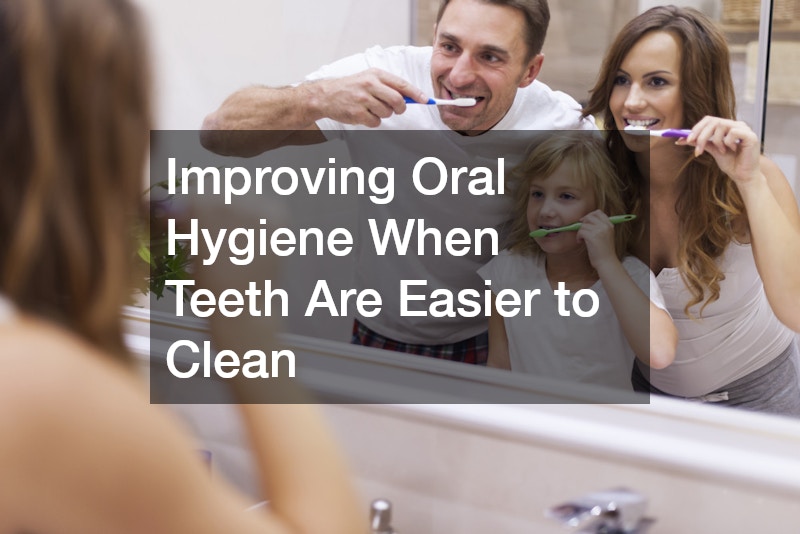
Improving oral hygiene becomes significantly more achievable when teeth are properly aligned, because the physical barriers that interfere with cleaning are reduced or eliminated. When teeth overlap, twist, or crowd together, even high-quality brushing and flossing techniques can fall short. Plaque tends to accumulate in narrow crevices where toothbrush bristles can’t reach and floss is difficult to guide, allowing bacteria to remain in place day after day.
A dentist frequently notices that patients with alignment issues experience recurring problems in the exact same locations—often between crowded teeth or along uneven gumlines. These areas become repeat offenders for cavities, gingivitis, and inflammation because bacteria are consistently missed during daily care. Once teeth are straightened and spacing becomes more uniform, those problem zones are no longer protected hiding places for plaque. The same hygiene routine suddenly becomes more effective, without requiring more time or effort.
Proper alignment also improves how toothbrush bristles contact tooth surfaces. When teeth sit evenly next to one another, bristles can glide along the gumline and across enamel more consistently, removing plaque before it hardens into tartar. Flossing becomes smoother and more predictable, reducing the temptation to skip tight spots that were previously uncomfortable or frustrating to clean.
Benefits of improved alignment for hygiene include:
- Easier flossing without tearing or skipping spots, which encourages consistency
- More even brushing coverage along the gumline, where early gum disease often starts
- Reduced plaque buildup between teeth, lowering cavity risk
- Lower risk of chronic gum irritation caused by trapped debris and bacteria
For people who currently have alignment challenges, there are still ways to protect oral health until alignment improves. Adapting your hygiene routine can make a measurable difference.
Actionable hygiene tips for people with alignment challenges:
- Use floss threaders or water flossers for crowded areas where traditional floss struggles
- Angle toothbrush bristles toward the gumline rather than brushing straight across
- Spend extra time on overlap zones where plaque tends to accumulate
- Reevaluate your routine after alignment improves, since old habits may no longer be necessary
Many patients are surprised to discover that after alignment treatment, their oral care routine feels easier and faster—but produces better results. Instead of fighting against tooth positioning every day, they’re finally able to clean efficiently, maintain healthier gums, and reduce the need for corrective dental treatments caused by long-term plaque buildup.
Building Confidence Through a Healthier Smile
Confidence isn’t just about looks—it’s about comfort and ease in daily interactions. When people feel uneasy about their smile, they may unconsciously avoid smiling, speaking up, or engaging fully in social and professional settings.
A cosmetic dentist often works with patients who initially seek aesthetic changes but discover unexpected functional benefits. Improved alignment can make speech clearer, reduce lip or cheek biting, and eliminate the feeling of “hiding” your smile.
Cosmetic dentistry can support alignment goals when function and appearance overlap, especially for adults who want subtle improvements without long orthodontic timelines.
Ways alignment improves daily confidence include:
- Speaking without worrying about visible crowding
- Smiling naturally in photos
- Feeling comfortable during conversations
- Reducing self-conscious habits like covering the mouth
Setting realistic expectations is key. Confidence grows gradually as comfort improves, not overnight. Most patients report the biggest change not when treatment ends—but when they stop thinking about their teeth altogether.
Correcting Minor Alignment Issues Without Major Procedures

Not every alignment concern requires braces or long-term orthodontic treatment, especially when the issue is primarily visual rather than functional. In certain situations, surface-level adjustments can provide meaningful improvements in how teeth appear and feel during daily use. These approaches focus on refining what is already stable rather than repositioning teeth, making them a practical option for select cases.
Veneers are sometimes used to address minor misalignment by reshaping the visible surface of teeth. Rather than shifting tooth roots or altering the bite, this method relies on adjusting shape, width, or length to create the appearance of better alignment. Small gaps can be closed, edges can be smoothed, and slightly rotated teeth can be visually balanced so they align more naturally with surrounding teeth.
This type of cosmetic correction is most effective when alignment concerns are subtle and the bite functions properly. Situations where cosmetic correction may be appropriate include:
- Minor spacing that doesn’t affect bite or chewing efficiency
- Small rotations that don’t impact how teeth come together
- Uneven tooth shapes creating the illusion of misalignment, even when positioning is generally sound
Choosing this route requires careful consideration, because cosmetic solutions are not a replacement for structural correction. While the visual outcome can be highly effective, it’s important to understand the limitations before moving forward.
Important considerations before choosing this route:
- It does not correct underlying bite issues or jaw alignment
- Long-term maintenance is required to preserve appearance and integrity
- Not ideal for younger patients or significant crowding where teeth need repositioning
- Best for stable, healthy teeth without active gum disease or enamel weakness
An informed evaluation helps avoid overtreatment and ensures the solution fits both short- and long-term goals. When cosmetic correction is chosen for the right reasons and applied in appropriate cases, it can deliver meaningful improvements without unnecessary complexity.
Restoring Balance When Teeth Are Missing or Shifted
Missing teeth don’t just affect appearance—they disrupt alignment across the entire mouth by removing a point of contact that helps keep teeth in place. Teeth naturally rely on their neighbors for support, so when one is lost, the surrounding teeth begin to drift toward the open space. This movement often happens gradually and without pain, which is why many people don’t notice the problem until their bite feels different or cleaning becomes more difficult.
Dental implants help restore proper spacing and prevent unwanted movement by acting as a stable replacement that fills the gap both above and below the gumline. Unlike temporary solutions that only replace the visible portion of a tooth, implants anchor directly into the jawbone. This anchoring effect helps neighboring teeth stay in their intended positions and preserves balance throughout the bite.
When gaps are left untreated, the consequences tend to compound over time rather than remain isolated to the missing tooth. Common issues that develop include:
- Tilting of adjacent teeth into the open space, making them harder to clean
- Bite collapse in affected areas, leading to uneven pressure when chewing
- Increased wear on remaining teeth as they absorb extra force
- Changes in facial structure over time due to bone loss and shifting support
Protecting alignment after tooth loss requires timely action and ongoing attention. The longer a gap remains open, the more opportunity surrounding teeth have to move.
Actionable steps to protect alignment after tooth loss:
- Replace missing teeth sooner rather than later to limit drifting
- Monitor shifting during routine checkups so subtle changes are addressed early
- Maintain strong hygiene around restorations to protect supporting tissues
- Address bite changes promptly before they lead to broader alignment problems
Restoring balance early reduces the likelihood of needing orthodontic correction later due to shifting caused by gaps. By stabilizing the area quickly and maintaining it properly, patients can protect both alignment and long-term oral function.
Maintaining Results Through Consistent Local Care

Alignment improvements aren’t permanent without maintenance because teeth are constantly influenced by pressure from chewing, speaking, and natural muscle movement. Even after successful treatment, teeth retain a memory of their original positions and may slowly shift back if they aren’t properly supported. This tendency is strongest in the first few years after alignment changes, but gradual movement can continue throughout life without ongoing care.
A local dental office plays a critical role in protecting alignment results by providing consistent oversight and practical guidance. Regular monitoring allows subtle changes to be detected early, before noticeable relapse occurs. Dental professionals can evaluate how retainers are fitting, check for bite imbalances, and identify habits that may be putting unnecessary stress on the teeth.
Long-term maintenance strategies include:
- Wearing retainers as prescribed, especially during sleep when unconscious clenching often occurs
- Scheduling routine exams to check bite stability and tooth positioning over time
- Replacing worn retainers promptly, since small cracks or warping can reduce effectiveness
- Addressing grinding or clenching habits that can gradually push teeth out of alignment
Maintenance visits also create an opportunity for patients to stay informed about how their needs may change. Retention plans are not always one-size-fits-all, and adjustments may be necessary as the mouth adapts.
Questions worth asking during follow-up visits:
- Are my teeth holding their positions as expected?
- Is my retainer still fitting properly, or has it loosened or tightened?
- Are there signs of bite stress or uneven wear on my teeth?
- Should my retention plan change over time based on my habits or age?
Consistency—not perfection—is what preserves results. Wearing retainers most nights, keeping up with routine visits, and addressing small issues early helps protect the time and effort invested in alignment. Small checkups prevent big setbacks and make long-term stability far more achievable.
Straight teeth influence far more than how a smile looks. They affect comfort, efficiency, confidence, and long-term health in ways many people don’t recognize until alignment improves. From easier hygiene and reduced jaw strain to better confidence and functional balance, proper alignment supports everyday life at every stage.
Whether alignment changes begin early or later in life, the benefits compound over time. With informed decisions, realistic expectations, and consistent care, improving alignment can be one of the most impactful steps toward lasting oral health and daily comfort.
About the Author