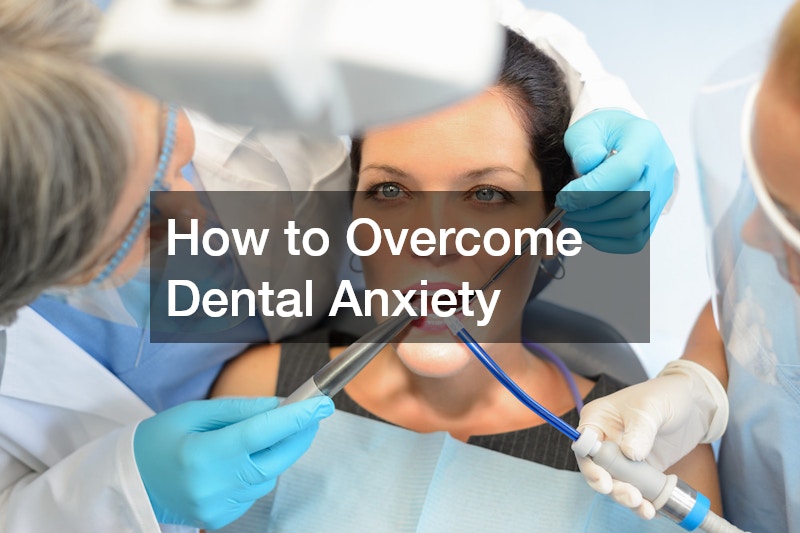
For many people, just the thought of visiting the dentist can trigger feelings of nervousness, discomfort, or even fear. Whether it’s due to a past traumatic experience, fear of pain, or general unease about medical environments, dental anxiety is more common than you might think. In fact, millions of people avoid appointments altogether because of it. But avoiding the dentist can lead to more serious oral health problems in the long run.
The good news? Dental anxiety is manageable—and overcoming it starts with the right approach, mindset, and support from a trusted dental office. If you’ve been putting off your next appointment, here are effective strategies to help you ease your anxiety and take control of your oral health.
Recognize and Acknowledge Your Anxiety
The first step to overcoming dental anxiety is to acknowledge it. Whether your fear is mild uneasiness or full-blown panic, it’s important to recognize that these feelings are valid and can be addressed. Try to pinpoint the specific causes of your fear:
-
Is it the sound of dental tools?
-
Fear of pain or discomfort?
-
Embarrassment about your oral health?
-
A previous negative experience?
Once you identify the root of your anxiety, you and your dental office team can create a personalized plan to help you feel more comfortable during your visit.
Choose the Right Dental Office
Not all dental practices are the same, and finding the right dental office can make a big difference in how you experience your appointments. Look for a practice that emphasizes patient comfort, offers clear communication, and has experience working with anxious patients.
When researching dental offices, consider:
-
Online reviews and patient testimonials
-
Whether the staff is friendly and empathetic
-
If the office offers sedation dentistry or other calming options
-
The cleanliness and atmosphere of the waiting and treatment rooms
Don’t be afraid to call ahead and ask how they accommodate patients with dental anxiety. A compassionate team will be happy to explain their approach and reassure you.
Schedule a Consultation Before Your Appointment
Before jumping into a procedure or cleaning, consider scheduling a no-pressure consultation with your dental office. This allows you to meet the dentist and staff, ask questions, and tour the office in a relaxed setting.
During this visit, you can:
-
Share your concerns and past experiences
-
Ask about pain management options
-
Learn more about what to expect during treatment
-
Discuss a signal you can use to pause the procedure if you feel overwhelmed
This kind of communication builds trust and can significantly reduce fear of the unknown.
Bring a Friend or Support Person
Bringing someone you trust to your appointment can provide emotional support and help you feel more grounded. A friend or family member can sit with you in the waiting room and, in some cases, accompany you during the exam (check with your dental office ahead of time).
Just knowing someone is there for you can ease anxiety and provide a calming presence before and after your treatment.
Practice Relaxation Techniques
Deep breathing, guided imagery, and meditation are powerful tools for managing anxiety. Practice these techniques at home before your appointment, and use them in the waiting room or even in the dental chair.
Here’s a simple deep breathing exercise:
-
Inhale slowly through your nose for a count of 4.
-
Hold your breath for a count of 4.
-
Exhale slowly through your mouth for a count of 4.
-
Repeat until you feel more relaxed.
Some dental offices also offer amenities like noise-canceling headphones, calming music, or aromatherapy to help you stay relaxed during your visit.
Explore Sedation Options
For patients with moderate to severe dental anxiety, sedation dentistry can be a game-changer. Depending on your needs and the services offered by your dental office, you might choose from:
-
Nitrous oxide (laughing gas): Helps you feel relaxed while staying awake.
-
Oral sedation: Prescription medication taken before the appointment to calm nerves.
-
IV sedation: Administered by a professional, offering deeper relaxation for more complex procedures.
Your dentist will help you choose the safest and most appropriate sedation option based on your medical history and level of anxiety.
Don’t Skip Regular Visits
While it may seem counterintuitive, avoiding the dentist only makes anxiety worse in the long run. Skipping cleanings and checkups can lead to dental issues that require more extensive (and stressful) treatment later. Routine visits help catch small problems before they become major ones and build your confidence with positive experiences.
Work with your dental office to establish a regular appointment schedule that feels manageable. The more consistent you are, the more familiar and comfortable the process becomes.
Focus on the Benefits of Dental Care
Instead of dwelling on fear, try shifting your focus to the positive outcomes of visiting the dentist:
-
A healthier, brighter smile
-
Fresh breath and clean teeth
-
Prevention of cavities and gum disease
-
Greater confidence in your appearance
Reminding yourself of these benefits can provide motivation and help you feel more empowered about your health.
Dental anxiety is real, but it doesn’t have to hold you back. With the right mindset, coping strategies, and support from a compassionate dental office, you can take control of your fears and maintain the oral health you deserve.
Start by finding a dental team that understands your concerns and takes the time to make you feel heard and safe. From there, each small step—whether it’s scheduling a consultation, practicing deep breathing, or attending a routine checkup—brings you closer to a more confident, stress-free dental experience.
Remember, you’re not alone—and with the right help, you can overcome dental anxiety and smile with ease.
About the Author