

Visiting the dentist can be an anxiety-inducing event for many. Understanding what to expect can help ease any apprehension and ensure a smooth experience. This article explores the common questions and highlights what you should know before your visit to the local dentists office.
What Happens During a Routine Dental Check-Up?
Initial Examination and History Taking
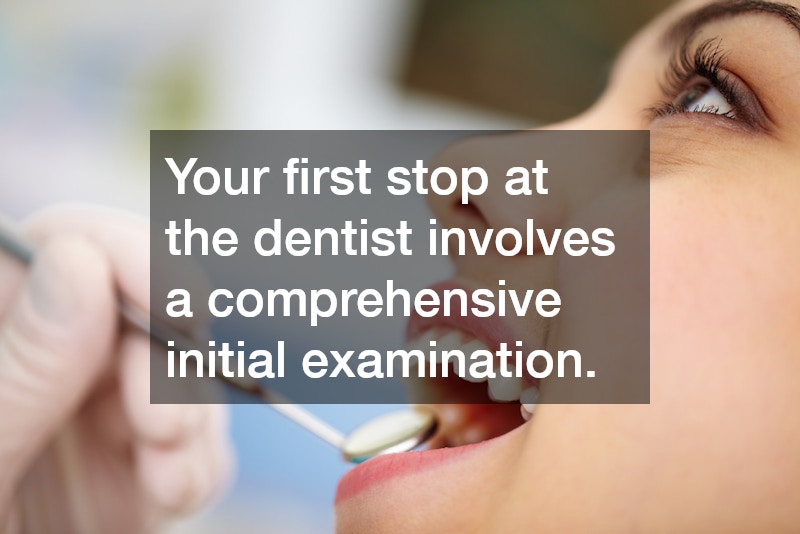
Your first stop at the dentist involves a comprehensive initial examination, often beginning with a set of questions. Dentists gather information on your dental history and overall health, which can be critical for personalized care.
Expect inquiries about previous dental procedures, any current oral discomfort, and your overall health condition. This information, coupled with a visual examination, helps dentists develop a tailored approach to your oral care.
By understanding the specifics of your dental history and any related medical issues, the dentist can assess risk factors and potential problem areas. The thorough examination ensures that your dental visits are more targeted and beneficial.
Teeth Cleaning and Polishing
Teeth cleaning is an integral part of a dental check-up, removing plaque and tartar that regular brushing might miss. Plaque, if not effectively managed, hardens into tartar—a buildup that toothbrushes cannot remove alone.
The cleaning process often involves scaling, where the dentist uses special tools to clean between teeth and along the gum line. This step is essential to maintain oral health and prevent gingivitis or periodontal disease.
Following a thorough cleaning, polishing helps remove surface stains and leaves your teeth shiny and smooth. Regular cleaning and polishing not only improve oral hygiene but contribute to an appealing aesthetic smile.
How Should You Prepare for a Dental Appointment?
Documents and Information to Bring
Preparing for your dental appointment requires a few logistical considerations, such as compiling necessary documents. These often include insurance information and a detailed medical history to facilitate a seamless check-in process.
Your dentist relies on these documents to ensure treatments align with your insurance coverage, reducing unexpected expenses. Additionally, a detailed medical history assists in identifying any contraindications or special considerations during treatment.
Bringing the correct paperwork enables the dental team to provide more coordinated and efficient care. Ensuring all necessary information is readily available heightens the effectiveness of your visit.
Pre-appointment Hygiene Tips
Before heading to the dentist, practicing good oral hygiene is important. Brushing and flossing thoroughly ensures that food particles and plaque don’t hinder the dentist’s ability to examine your teeth and gums accurately.
Avoid consuming food or drinks that could stain your teeth right before your appointment. Mimicking the dental hygiene routine recommended at home reinforces good habits and sets the stage for a productive session.
Proper preparation can lead to more accurate diagnostics and a smoother overall experience. While it’s often nerve-wracking, maintaining these hygiene practices is a simple step to reduce anxiety before a dental visit.
What Are the Common Dental Procedures Performed?
Fillings and Root Canals
While prevention is preferable, sometimes restorative dentistry like fillings and root canals, becomes necessary. Both procedures address different stages of decay, with fillings generally used for less severe cases.
Fillings involve removing decay and sealing the cavity with durable materials like composite resins. A root canal, on the other hand, saves a tooth with extensive decay or infection, which, if unsuccessful, could mean tooth extraction.
Each procedure is designed with a targeted outcome—to improve function and alleviate pain or prevent further complications. Dentists evaluate the extent of decay to recommend the most effective treatment solution.
Preventive Treatments and Advice
Preventive dentistry is just as crucial, aiming to avert the onset of oral health issues. Treatments such as fluoride applications and dental sealants protect against cavities and improve enamel strength. It is noted that fluoride applications can make teeth more resistant to decay.
Aside from in-office treatments, your dentist will usually provide comprehensive advice on how to prevent common dental problems. Instructions might include dietary recommendations, brushing techniques, and the importance of routine flossing.
These preventive measures not only protect your dental health but also bolster your confidence in your smile. By diligently following professional advice, you actively contribute to your long-term oral health.
By familiarizing yourself with what to expect at your local dentists office, you can attend appointments with confidence and ease. Understanding procedures, preparation, and the dental visit routine can contribute positively to your oral health journey.
About the Author