
A confident smile is more than just an aesthetic feature—it can profoundly impact your personal and professional life. Smiles convey warmth, friendliness, and approachability, while a healthy smile reflects good overall health. Studies show that people with well-maintained teeth often enjoy higher self-esteem and better social interactions, and they may even experience less stress because they are confident in their appearance.
However, achieving and maintaining a beautiful, functional smile isn’t always easy. Dental challenges can range from cosmetic concerns, such as discoloration and uneven teeth, to functional problems like misalignment, missing teeth, or chronic jaw pain. Left untreated, these issues can lead to more serious complications, including difficulty chewing, speech problems, and long-term oral health decline.
Modern dentistry has evolved to provide solutions for virtually every dental need. Today’s treatments are more advanced, less invasive, and customizable to individual circumstances than ever before. From non-surgical options that relieve pain and tension to restorative procedures that rebuild your smile and cosmetic enhancements that boost your confidence, there is a treatment for nearly every dental concern.
This guide explores these modern solutions in depth, offering actionable advice for addressing common dental challenges. Whether you are considering straightening your teeth, replacing missing teeth, or simply enhancing your smile’s appearance, this resource is designed to help you make informed decisions and understand what to expect from each treatment.
Addressing Jaw Pain and Tension: Non-Invasive Solutions
Jaw discomfort, stiffness, and tension are more common than many people realize. Many patients dismiss mild jaw pain as stress or fatigue, but in some cases, it can indicate a deeper issue, such as temporomandibular joint (TMJ) disorders. The TMJ is the joint that connects the jawbone to the skull, allowing for essential functions like talking, chewing, and yawning. When this joint or surrounding muscles are stressed, inflamed, or misaligned, it can lead to chronic pain, headaches, difficulty chewing, and even audible clicking or popping sounds when opening or closing the mouth. In severe cases, jaw misalignment can contribute to neck pain, earaches, or persistent migraines.
The causes of jaw pain are multifactorial. Some of the most common include:
-
Teeth grinding (bruxism): Often occurring at night, grinding can place excessive strain on jaw muscles and joints.
-
Stress and anxiety: Tension from stress can lead to clenching, which overworks the jaw muscles.
-
Jaw misalignment: Malocclusion, or improper alignment of the teeth, can create uneven pressure on the TMJ.
-
Trauma or injury: Accidents, falls, or sports injuries can damage the jaw joint or surrounding tissues.
-
Dental or orthodontic procedures: Sometimes, dental work can temporarily alter bite alignment, causing TMJ discomfort.
Ignoring jaw pain or assuming it will resolve on its own can worsen symptoms over time. Chronic tension can lead to long-term complications such as uneven tooth wear, gum recession, and persistent headaches. Untreated TMJ disorders can also interfere with everyday activities, from eating to speaking comfortably, and may impact overall quality of life.
Fortunately, modern dentistry offers a variety of non-invasive solutions to manage jaw discomfort and restore function. Many of these strategies can be implemented at home, while others involve minimally invasive clinical treatments that provide long-term relief.
Actionable strategies for managing jaw pain at home include:
-
Jaw exercises and stretches: Regularly performing gentle exercises can relax tight muscles and increase mobility. Examples include slowly opening and closing the mouth, side-to-side movements, and controlled stretching of the jaw and neck. These exercises improve flexibility and reduce tension over time.
-
Mindfulness and stress reduction: Practices such as meditation, yoga, or deep breathing exercises can reduce overall tension, which often contributes to jaw clenching. Incorporating mindfulness into your daily routine may significantly decrease TMJ-related discomfort.
-
Dietary adjustments: Avoiding hard, chewy, or sticky foods like gum, nuts, or tough meats reduces strain on the jaw. Eating softer foods temporarily can help the muscles recover and prevent aggravation.
-
Mouthguards: Custom-fitted night guards protect against teeth grinding and clenching during sleep. These devices distribute pressure evenly across the jaw, reducing muscle strain and preventing damage to teeth.
For patients experiencing persistent or severe jaw pain that does not respond to home care, advanced treatments are available. One increasingly popular option is TMJ Botox. This treatment involves targeted injections into the overactive jaw muscles to relax tension, decrease pain, and improve jaw function. Unlike surgical interventions, TMJ Botox is minimally invasive, requires little to no downtime, and can provide relief for patients who have exhausted traditional therapies. Results are temporary, typically lasting several months, and treatments can be repeated as needed under professional supervision.
In addition to these treatments, physical therapy and specialized dental appliances can complement Botox or serve as standalone solutions. Physical therapy focuses on strengthening jaw muscles, improving posture, and reducing strain throughout the head and neck region. Dental appliances can help realign the bite, further relieving stress on the TMJ and preventing recurrence.
Consulting with a dental professional or TMJ specialist is crucial to determine the underlying cause of jaw discomfort and design a treatment plan tailored to your needs. Comprehensive evaluation may include bite analysis, imaging, and a review of lifestyle habits to pinpoint contributing factors. Early intervention not only alleviates pain but also prevents long-term complications, supporting overall oral health and improving daily comfort.
In summary, jaw pain and TMJ disorders can affect more than just your smile—they can impact overall well-being. Non-invasive treatments, ranging from at-home strategies to advanced clinical solutions like TMJ Botox, offer effective ways to manage discomfort and restore function. By recognizing symptoms early and seeking professional guidance, patients can prevent worsening conditions and enjoy lasting relief.
Replacing Missing Teeth: Long-Lasting Options
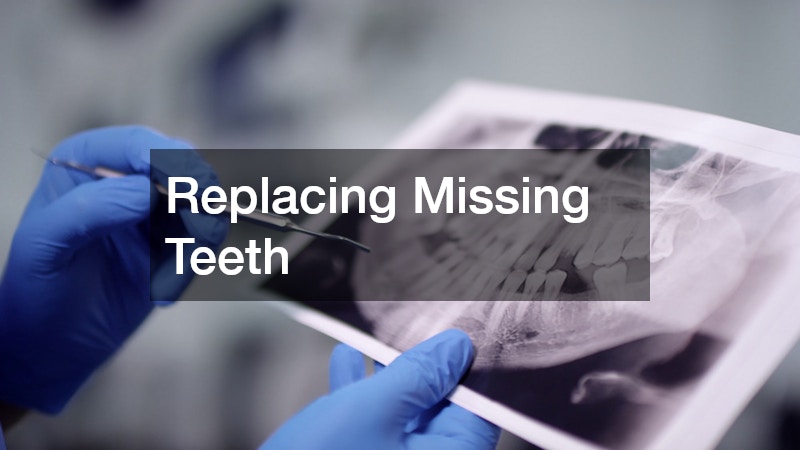
Missing teeth are more than just a cosmetic concern—they can affect your oral health, bite, and overall quality of life. Gaps in your smile can lead to shifting teeth, jawbone deterioration, and increased risk of gum disease. Timely replacement of missing teeth is crucial for maintaining proper function and aesthetics.
Dental implants have emerged as one of the most effective long-term solutions. They offer the stability and appearance of natural teeth while helping preserve jawbone structure. The implant process typically involves several steps:
-
Initial evaluation: Your dentist assesses oral health, bone density, and suitability for implants.
-
Placement surgery: An oral surgeon inserts a titanium post into the jawbone to act as an artificial root.
-
Healing and integration: The post fuses with the jawbone over several months, providing a stable foundation.
-
Restoration: A crown, bridge, or prosthetic tooth is attached to the implant to complete the smile.
The role of an oral surgeon is critical, especially in complex cases or for patients with limited bone structure. Their expertise ensures precise placement and reduces the risk of complications.
To maximize implant success, patients should follow these maintenance tips:
-
Brush and floss daily to prevent infection.
-
Avoid smoking, which can interfere with healing.
-
Schedule regular dental check-ups for professional cleaning and monitoring.
Dental implants not only restore functionality but also boost confidence by creating a natural-looking smile that can last decades with proper care.
Straightening Your Smile: Braces and Modern Alternatives
Misaligned teeth can affect both appearance and oral function, leading to difficulty cleaning teeth, uneven wear, or jaw discomfort. Traditionally, braces have been the most reliable way to achieve proper alignment.
Different types of braces cater to various needs:
-
Traditional metal braces: Durable and highly effective, suitable for most patients.
-
Ceramic braces: Less noticeable and blend with the color of teeth.
-
Lingual braces: Placed behind teeth for a discreet option while still providing excellent results.
While braces are highly effective, they require commitment. Regular adjustments are necessary, and thorough cleaning is critical to prevent plaque buildup around brackets and wires.
For patients seeking less visible options, clear aligners provide a discreet alternative. These removable trays gradually move teeth into proper alignment without the appearance of metal braces. They are ideal for mild to moderate misalignment and offer the convenience of being removable, making eating and cleaning simpler.
Tips for successful orthodontic treatment include:
-
Consistency in wearing braces or aligners as directed.
-
Maintaining a strict oral hygiene routine.
-
Regular visits to the dentist or orthodontist for adjustments and monitoring.
Choosing between braces and clear aligners depends on the severity of misalignment, lifestyle, and personal preference. A thorough consultation can help determine the best path to a straight, functional smile.
Invisalign and Other Removable Solutions for Busy Lifestyles
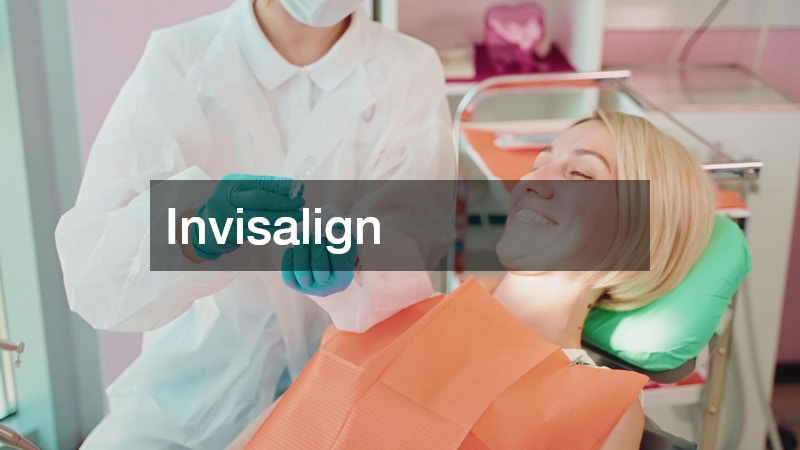
Invisalign and other clear aligners have revolutionized orthodontics for adults and teens seeking discreet, flexible options. The treatment process is straightforward: a series of custom-made aligners gradually shifts teeth into alignment, with each set worn for a few weeks before progressing to the next.
The main advantages of Invisalign and similar systems include:
-
Discreet appearance: Aligners are virtually invisible, ideal for professional and social settings.
-
Removability: Aligners can be removed for eating, drinking, and oral hygiene, allowing for greater convenience.
-
Comfort: Smooth plastic design reduces irritation compared to metal brackets and wires.
Tips to optimize aligner effectiveness:
-
Wear aligners for at least 20–22 hours per day.
-
Clean trays daily using recommended solutions to prevent plaque buildup.
-
Keep to the replacement schedule to ensure consistent progress.
-
Attend regular check-ups to track alignment and make necessary adjustments.
For patients with mild to moderate misalignment, clear aligners offer a highly effective solution with minimal lifestyle disruption. Dental professionals can help determine whether Invisalign or another aligner system is most suitable for your smile goals.
Enhancing Your Smile: Cosmetic Dentistry Options
Cosmetic dentistry allows patients to enhance the appearance of their smile while addressing imperfections like discoloration, chips, gaps, or uneven shapes. Treatments range from minimally invasive procedures to more transformative options.
Common cosmetic dentistry procedures include:
-
Teeth whitening: Effective for removing stains and brightening the smile.
-
Dental bonding: Repairs chips, cracks, or minor gaps for a smoother, more uniform look.
-
Contouring: Reshapes teeth to improve symmetry and appearance.
Veneers are among the most popular cosmetic options for achieving dramatic, long-lasting results. These thin shells cover the front surface of teeth and can correct discoloration, misalignment, and irregular shapes. Proper evaluation and placement are crucial for a natural look that complements facial features.
Maintaining cosmetic enhancements involves:
-
Avoiding staining foods and beverages.
-
Maintaining regular oral hygiene practices.
-
Scheduling periodic check-ups to monitor and care for treated teeth.
Cosmetic dentistry not only improves aesthetics but also reinforces dental structure in some cases, providing both beauty and functionality.
Strengthening and Restoring Damaged Teeth
Teeth may become damaged or weakened over time due to decay, trauma, or large restorations. Restoring these teeth is essential for both function and oral health. Dental crowns provide a long-lasting solution by covering and protecting damaged teeth.
The dental crown process generally includes:
-
Preparation: Removing damaged or decayed portions of the tooth.
-
Impression taking: Creating a custom-fitted crown.
-
Temporary crown: Protects the tooth while the permanent crown is fabricated.
-
Final placement: Cementing the crown to restore tooth function and appearance.
To extend the lifespan of crowns, patients should:
-
Maintain a consistent oral hygiene routine.
-
Avoid chewing on hard or sticky foods that could damage the crown.
-
Attend regular dental visits for professional monitoring.
Crowns not only restore functionality but also prevent further deterioration, offering a durable, long-term solution for compromised teeth.
Tooth Extractions: Ensuring a Smooth Recovery
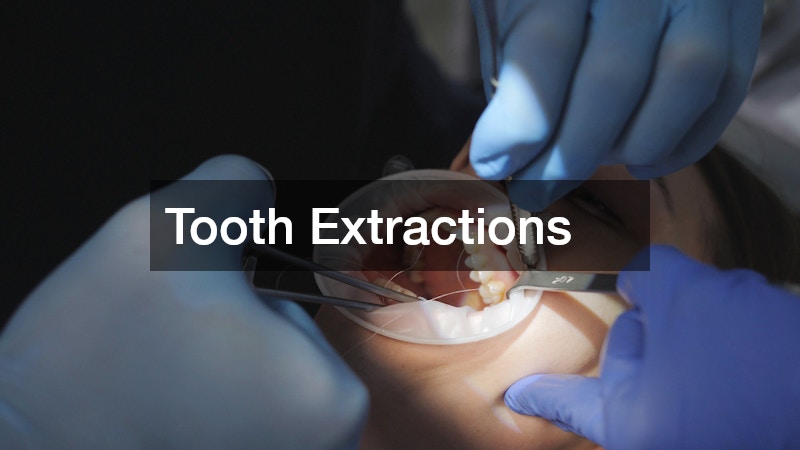
Tooth extractions may be necessary for a variety of reasons, including severe decay, infection, overcrowding, or preparation for orthodontic treatment. While often viewed with apprehension, proper preparation and aftercare can make the process manageable and ensure rapid recovery.
Before an extraction:
-
Discuss anesthesia and pain management options with your dentist.
-
Follow pre-procedure instructions regarding medications, diet, and oral care.
-
Understand the recovery process and potential side effects.
Post-extraction care includes:
-
Using ice packs to minimize swelling and discomfort.
-
Eating soft foods and avoiding chewing near the extraction site.
-
Gently rinsing the mouth and maintaining oral hygiene without disturbing the clot.
-
Following up with the dentist to monitor healing and prevent infection.
With attentive care, most patients recover quickly and experience minimal complications. Extractions, while sometimes unavoidable, are an important step in maintaining oral health and preparing for restorative or cosmetic treatments.
Combining Treatments for a Complete Smile Makeover
Achieving a complete smile makeover often requires a combination of treatments, tailored to address both functional and cosmetic needs. Coordinating multiple procedures ensures comprehensive results and long-term oral health.
Common scenarios include:
-
Replacing missing teeth with dental implants while enhancing appearance with veneers or crowns.
-
Correcting alignment issues with braces or clear aligners before cosmetic treatments.
-
Addressing jaw pain through TMJ treatments before restorative procedures.
A personalized dental plan helps ensure treatments are sequenced effectively and meet individual goals. Key considerations include:
-
Timing and order of procedures to optimize healing and results.
-
Post-procedure care and recovery management.
-
Maintenance strategies to sustain the improvements long-term.
With the guidance of a dental professional, combining restorative and cosmetic treatments can transform not just your smile but also your confidence, comfort, and overall oral health.
Modern dentistry offers solutions for virtually every dental challenge, from misaligned teeth and missing teeth to cosmetic imperfections and chronic jaw pain. These treatments are more advanced, precise, and minimally invasive than ever before, allowing patients to achieve lasting results with less discomfort and downtime.
By understanding your options and working closely with dental professionals, you can make informed decisions that meet both functional and aesthetic goals. Whether you choose to straighten your teeth, replace missing ones, or enhance your smile with cosmetic treatments, a comprehensive and personalized approach ensures the best outcomes.
With dedication to proper oral hygiene, regular professional care, and thoughtful planning, achieving a healthy, confident, and radiant smile is entirely possible. Your smile can be transformed into a source of pride and joy for a lifetime.
About the Author