If you or your child is thinking about getting braces, one of the first questions you may ask is: How long does it take for braces to work?
The short answer is that most people wear braces for 12 to 24 months. However, the exact timeline depends on many factors, including age, the severity of the dental issue, and how well you follow your orthodontist’s instructions.
In this detailed guide, we’ll explain how braces work, what affects treatment time for teens and adults, and how you can help speed up the process. Whether you’re a parent researching options or an adult considering orthodontic treatment, this article will help you understand what to expect.
How Do Braces Work?
Before we talk about timelines, it helps to understand how braces actually move teeth.
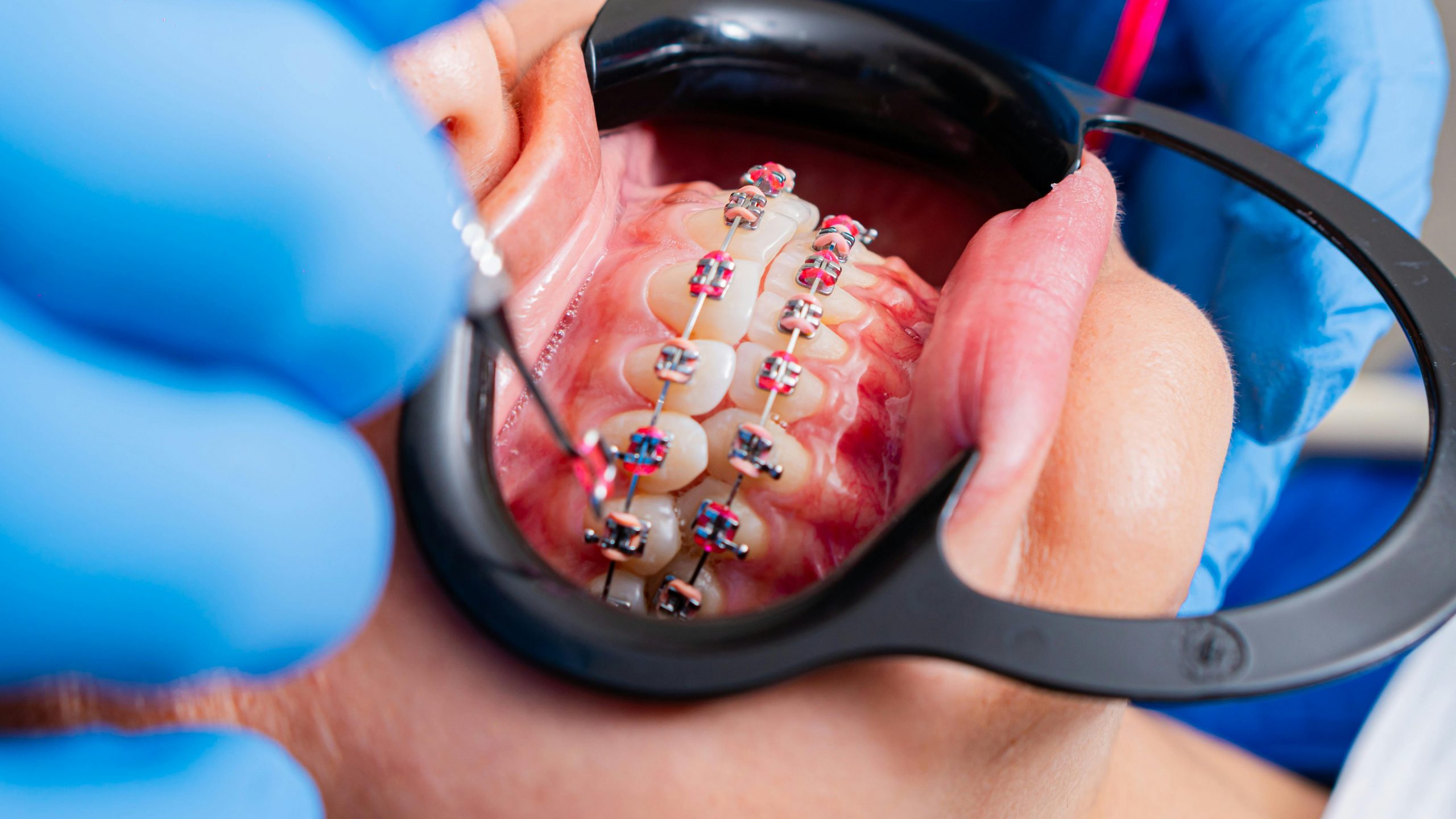
Braces use brackets, wires, and sometimes rubber bands to apply gentle pressure to your teeth. Over time, this pressure shifts teeth into better positions. The bone around the teeth slowly changes to support their new alignment.
This process does not happen overnight. Teeth move gradually to avoid damage to the roots and surrounding bone.
There are three main stages of braces treatment:
- Leveling and Aligning – Straightening crooked teeth.
- Bite Correction – Fixing how upper and lower teeth fit together.
- Finishing and Detailing – Making small adjustments for the perfect smile.
Each stage takes time, and the total length of treatment depends on your specific needs.
Average Braces Timeline for Teens
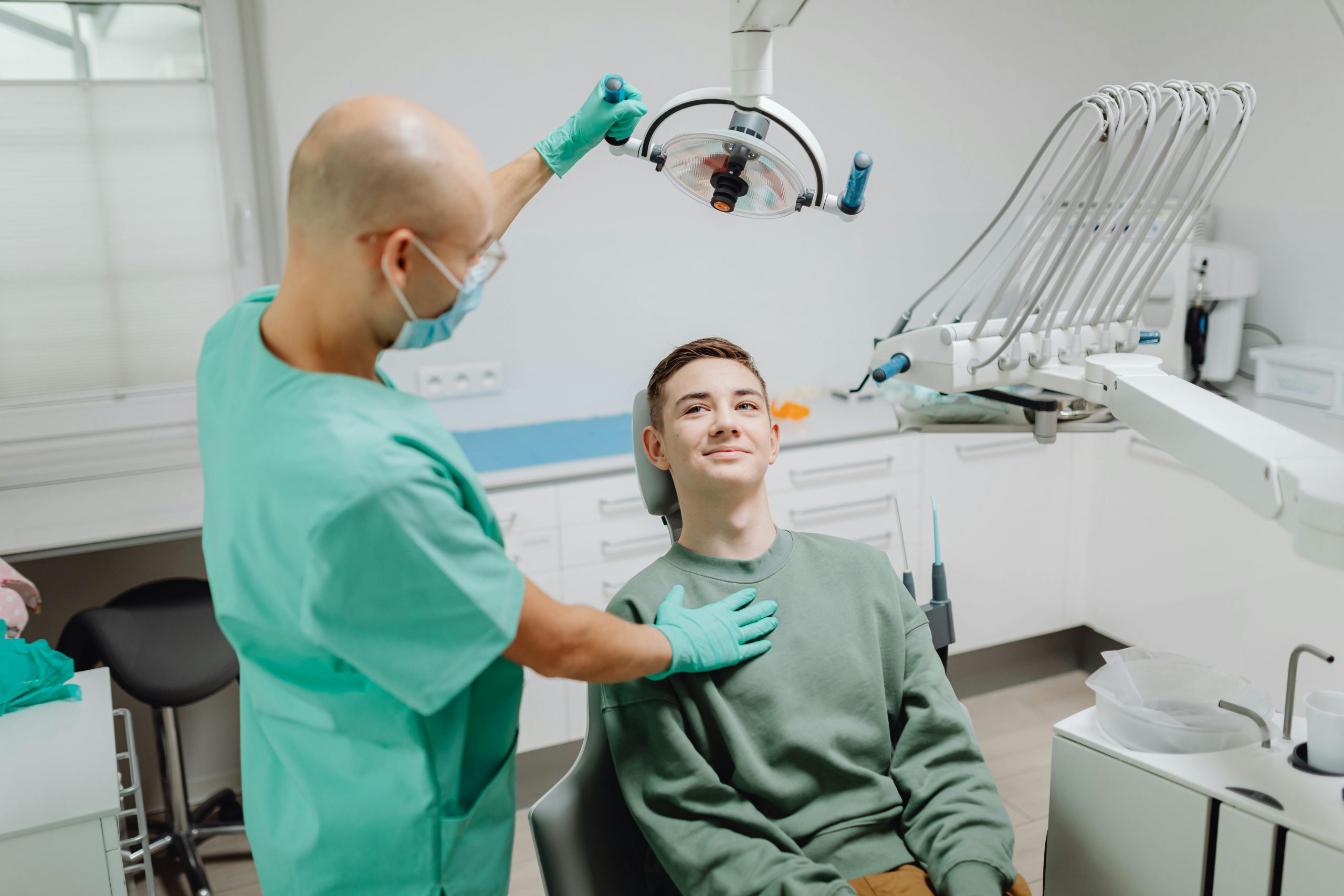
Teens are the most common age group for braces. Most teenagers wear braces for 18 to 24 months.
Why is treatment often smoother for teens?
- Their jaws are still growing.
- Teeth move more easily in younger patients.
- Growth can help correct bite problems.
- Bone remodeling happens faster during adolescence.
Since teens are still developing, orthodontists can guide jaw growth more effectively. This may reduce the need for more complex treatments later.
However, treatment time still varies depending on:
- Crowding
- Gaps between teeth
- Overbite or underbite severity
- Compliance with rubber bands
- Oral hygiene habits
Some teens may finish treatment in as little as 12 months, while others may need closer to 30 months.
Average Braces Timeline for Adults
Adults can absolutely benefit from braces. In fact, more adults than ever are choosing orthodontic treatment.
For adults, braces usually take 18 to 30 months.
Why might adult treatment take longer?
- Jaw growth is complete.
- Bone density is higher.
- Some adults have missing teeth.
- Previous dental work (crowns, bridges) may complicate movement.
- Gum health may affect progress.
Even though adult treatment may take slightly longer, the results are just as successful when patients follow their orthodontist’s plan.
What Factors Affect How Long Braces Take?
The question “How long does it take for braces to work?” does not have a one-size-fits-all answer. Several important factors influence your timeline.
1. Severity of the Dental Problem
Minor spacing or slight crowding may take 12 months or less.
Moderate to severe cases, such as:
- Significant crowding
- Large gaps
- Severe overbite
- Underbite
- Crossbite
may require 24 months or more.
Complex cases simply need more time for safe and stable movement.
2. Age of the Patient
Younger patients generally respond faster because:
- Their bones are still developing.
- Teeth move more easily.
- Growth can assist jaw correction.
Adults can still achieve excellent results, but movement may happen more slowly.
3. Type of Braces
Different types of braces may affect comfort and appearance, but treatment time is often similar.
Common options include:
- Traditional metal braces
- Ceramic braces
- Self-ligating braces
- Clear aligners
Clear aligners may work faster for mild cases. However, severe bite issues often require traditional braces.
4. Patient Compliance
This is one of the biggest factors in determining how long braces will take.
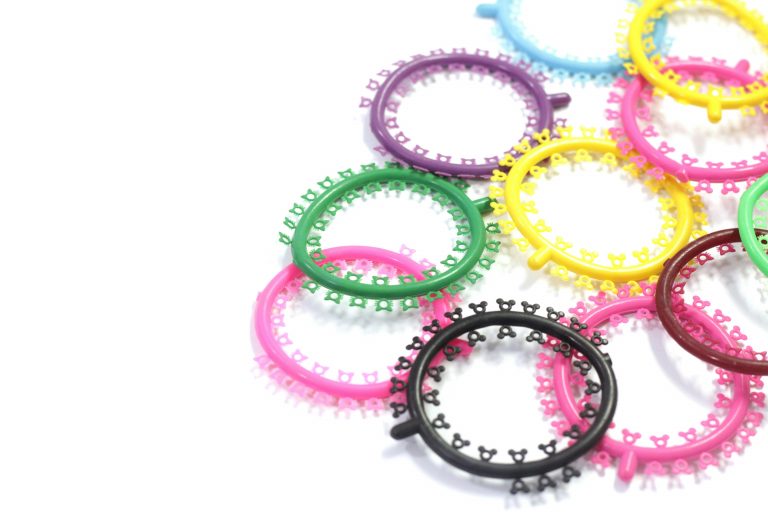
Patients who follow instructions carefully often finish treatment sooner. During bite correction, your orthodontist may prescribe elastics. Many patients ask their provider, what do rubber bands do for braces? These small elastics help guide the upper and lower teeth into proper alignment. When worn consistently, they play a major role in correcting overbites, underbites, and other jaw alignment problems.
If rubber bands are not worn as directed, bite correction can stall, and treatment may take several extra months. In addition to wearing elastics, patients should:
- Avoid hard or sticky foods that break brackets
- Attend all scheduled adjustment appointments
- Maintain excellent brushing and flossing habits
- Replace broken rubber bands promptly
Consistency makes a big difference in total treatment time.
When Will You Start Seeing Results?
Many patients notice changes within the first 4 to 8 weeks.
During the early phase:
- Crooked teeth begin to straighten.
- Gaps may start closing.
- Alignment improves quickly.
However, bite correction usually takes longer. The final stages focus on fine details that may not be obvious right away but are very important for long-term stability.
Even if progress feels slow, small movements are happening every day.
Can Braces Work Faster?
While you cannot safely rush orthodontic treatment, you can avoid delays.
Here are ways to stay on track:
Follow Instructions Carefully
- Wear rubber bands full time if prescribed.
- Replace broken elastics right away.
- Follow dietary restrictions.
Maintain Excellent Oral Hygiene
- Brush after every meal.
- Floss daily.
- Use a water flosser if needed.
Healthy gums allow teeth to move more efficiently.
Avoid Damaging Your Braces
Hard foods like ice and sticky candies can break brackets. Broken braces slow down progress because teeth cannot move properly until repairs are made.
What Happens If You Miss Appointments?
Regular adjustments are necessary every 4 to 8 weeks.
If you miss appointments:
- Wires may not be tightened on time.
- Tooth movement may slow down.
- Treatment may extend longer than planned.
Keeping consistent visits helps ensure steady progress.
Do Braces Hurt During Treatment?
Mild discomfort is normal, especially:
- After braces are first placed
- After adjustments
- When starting rubber bands
Soreness usually lasts a few days. Soft foods and over-the-counter pain relievers can help.
Pain does not mean something is wrong. It simply means your teeth are adjusting.
What Happens After Braces Come Off?
Once braces are removed, treatment is not completely finished.
You must wear a retainer.
Retainers:
- Prevent teeth from shifting back
- Protect your results
- Maintain bite alignment
Most orthodontists recommend:
- Full-time retainer wear for several months
- Nighttime wear long term
Skipping your retainer can undo years of progress.
Differences Between Teens and Adults in Treatment Experience
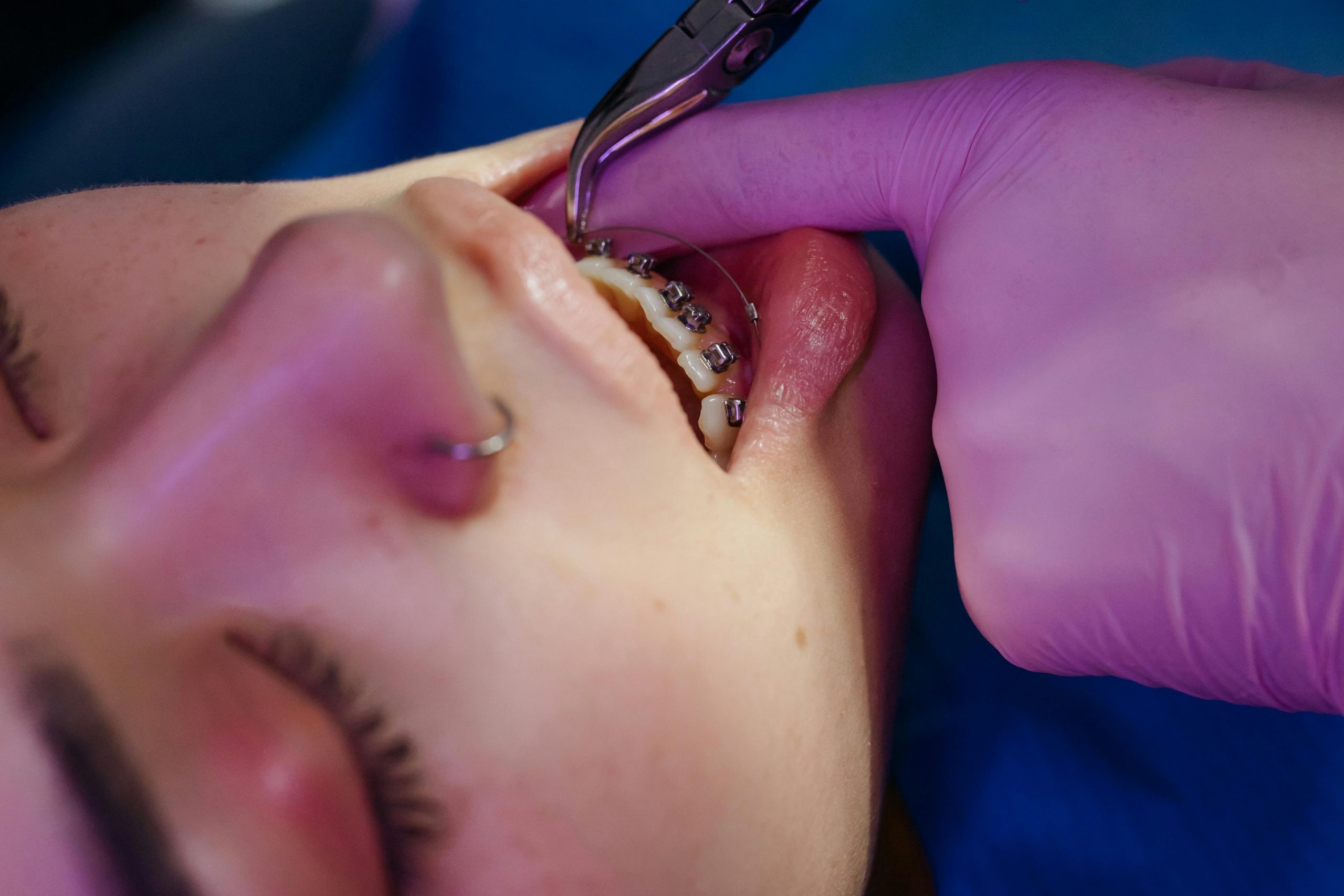
Although treatment time may be similar, the experience can differ.
Teens
- Often have parental reminders.
- May adjust socially to braces more easily.
- Growth helps jaw correction.
Adults
- May be more disciplined with hygiene.
- Often choose ceramic or clear options.
- May feel self-conscious initially.
Both groups can achieve beautiful results with proper care.
Final Thoughts: How Long Does It Take for Braces to Work?
So, how long does it take for braces to work on teens and adults?
For most patients:
- Teens: 18 to 24 months
- Adults: 18 to 30 months
Some cases are shorter. Others may take longer. The key factors include the severity of the problem, age, type of braces, and patient compliance.
Braces are a long-term investment in your oral health. While the process takes time, the benefits last a lifetime.
A straight smile is not just about appearance. Proper alignment improves:
- Chewing function
- Jaw comfort
- Tooth wear prevention
- Overall dental health
If you are considering braces for yourself or your teen, speak with a qualified orthodontist. With proper care and consistency, you can achieve a confident, healthy smile that lasts for years to come.
About the Author