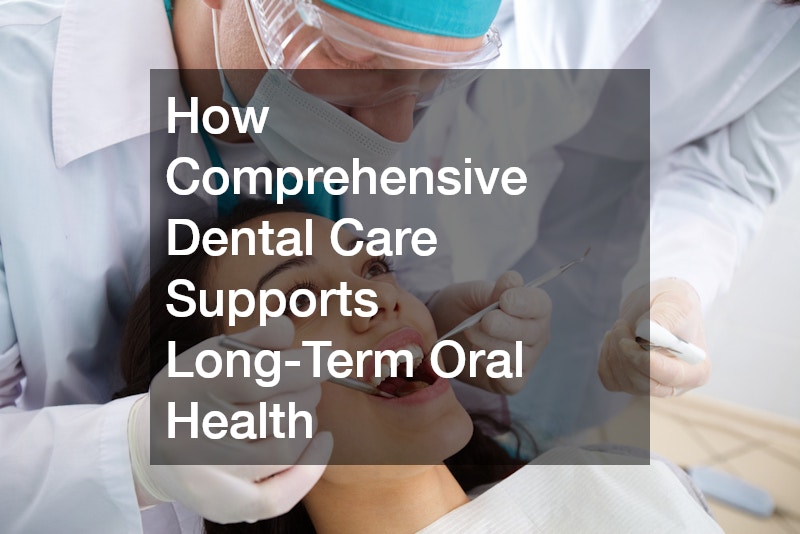

A healthy smile is built through consistent care, early attention to concerns, and a proactive approach to protecting teeth and gums. While many people think of dental visits as something necessary only when pain or visible problems appear, long-term oral health depends on much more than treating emergencies. A comprehensive approach focuses on prevention, early diagnosis, personalized treatment, and ongoing maintenance to help patients preserve their natural smile for years to come.
Oral health affects many aspects of daily life, including eating comfortably, speaking clearly, maintaining confidence, and supporting overall wellness. Issues such as untreated decay, gum disease, damaged teeth, or bite problems can become increasingly complex when ignored. Regular professional care helps identify concerns before they develop into larger challenges.
Build a Strong Foundation With Preventive Dental Habits
Preventive care is one of the most important parts of maintaining a healthy smile. Many dental problems develop gradually, and small issues can become more serious if left untreated. Establishing consistent habits at home and receiving professional preventive care can significantly reduce the risk of future complications.
Daily oral hygiene plays a major role in protecting teeth and gums. Brushing removes bacteria and food particles that contribute to plaque buildup, while flossing helps clean areas that toothbrushes cannot reach. These simple steps help protect against cavities, gum inflammation, and other common concerns.
Patients can improve their daily routines by focusing on a few key habits:
- Brush for approximately 2 minutes, twice daily, using gentle, thorough movements.
- Clean between teeth daily with floss, water flossers, or other recommended tools.
- Replace toothbrushes regularly, especially when bristles become worn.
- Limit frequent snacking on sugary foods and beverages.
- Drink plenty of water to help maintain a healthy oral environment.
- Avoid using teeth as tools to open packages or bite hard objects.
Professional cleanings also provide benefits that cannot always be achieved at home. Even with excellent brushing and flossing habits, hardened plaque can develop in difficult-to-reach areas. Dental professionals can remove buildup, evaluate gum health, and provide recommendations based on individual needs.
A trusted dental clinic can also help patients establish a preventive care schedule that aligns with their oral health history. Regular visits allow dental teams to monitor changes, provide education, and recommend treatments before concerns become more complex.
Schedule Regular Evaluations to Catch Dental Issues Early
Many dental concerns do not create noticeable symptoms during their earliest stages. A cavity may begin developing before discomfort appears, and gum disease can progress without obvious warning signs. Routine evaluations allow dental professionals to identify these issues before they interfere with daily life.
Comprehensive dental examinations involve more than simply checking for cavities. During an evaluation, a dentist may assess:
- Tooth condition and enamel strength
- Gum tissue health
- Existing dental restorations
- Bite alignment
- Jaw movement and comfort
- Signs of grinding or excessive wear
- Areas that may require additional monitoring
Diagnostic technology also plays an important role in modern dentistry. Digital imaging and advanced evaluation techniques help dental professionals identify concerns that may not be visible during a visual examination alone. These tools allow providers to create more accurate treatment recommendations.
Patients can make dental visits more effective by preparing questions in advance and communicating any changes they have noticed. Even minor concerns, such as increased sensitivity, occasional discomfort, or changes in how teeth fit together, may provide valuable information.
It is also important to maintain consistent appointments even when the smile appears healthy. Preventive visits are designed to maintain oral health, not just address existing problems. By identifying risks early, patients often have more treatment options and may avoid procedures that become necessary when issues are left untreated.
Restore Damaged Teeth Before Problems Become More Serious
Teeth can become weakened for many reasons, including decay, injury, age-related wear, or previous dental treatments. When a tooth structure becomes compromised, restoring it can help protect the remaining natural tooth and prevent additional damage.
Restorative dentistry focuses on repairing function, strength, and appearance. Instead of allowing a weakened tooth to continue deteriorating, timely treatment can help maintain stability and reduce the likelihood of more extensive procedures later.
Crowns are one common restorative option used when a tooth requires additional protection. They cover and reinforce damaged teeth while restoring their shape and function. For patients exploring restorative options, dental crowns in El Segundo, CA can help address weakened or damaged teeth while supporting long-term oral health. The right restoration depends on factors such as the tooth’s location, the amount of remaining structure, bite pressure, and the patient’s long-term goals.
For patients researching treatment options, dental crowns in El Segundo, CA, represent one example of how location-specific care can provide access to restorative solutions tailored to individual needs.
A successful restoration process typically involves several steps:
- Evaluating the condition of the tooth.
- Determining whether a crown or another restoration is appropriate.
- Preparing the tooth for treatment.
- Creating a restoration that fits comfortably and functions properly.
- Providing guidance for long-term maintenance.
Patients should also understand that restorations require ongoing care. A crowned tooth still needs daily brushing, flossing, and routine dental evaluations. Proper maintenance helps protect the surrounding gums and extends the lifespan of the restoration.
Replace Missing Teeth to Maintain Function and Oral Stability
Missing teeth can affect more than appearance. When a tooth is lost, surrounding teeth may shift, chewing patterns can change, and the jawbone may experience gradual changes due to reduced stimulation.
Replacing missing teeth helps restore balance within the mouth. A complete smile supports proper chewing function, helps maintain alignment, and can improve confidence during everyday activities.
Dental implants are one option for replacing missing teeth by providing a stable foundation for a restoration. Unlike removable options, implants are designed to function similarly to natural tooth roots. They can provide strength, stability, and a long-lasting solution when appropriate.
The treatment process usually involves careful planning and evaluation. A dental provider will consider factors such as bone health, overall oral condition, and the patient’s goals before recommending treatment.
Benefits of replacing missing teeth include:
- Improved chewing ability.
- Better support for surrounding teeth.
- A more natural appearance.
- Increased confidence when speaking or smiling.
- Reduced risk of additional oral complications.
Patients interested in tooth replacement options may explore dental implants in Torrance, CA when looking for implant-related care in a specific area. Location-based treatment searches can help individuals find providers who offer services that match their needs.
Maintaining implants requires many of the same habits used to protect natural teeth. Regular cleanings, proper home care, and routine evaluations help monitor the health of the implant area and surrounding tissues.
Improve Smile Appearance While Supporting Healthy Tooth Function
A confident smile can influence how people interact socially and professionally. However, improving appearance should always be approached with overall oral health in mind. Cosmetic treatments are most successful when they support both aesthetics and function.
Cosmetic dentistry includes procedures designed to enhance the appearance of teeth while addressing concerns such as discoloration, uneven spacing, chips, or worn enamel. A personalized approach ensures that cosmetic improvements complement the patient’s natural smile and oral condition.
Before beginning cosmetic treatment, dental professionals typically evaluate:
- Tooth health and strength.
- Gum condition.
- Bite alignment.
- Existing restorations.
- Long-term maintenance needs.
This evaluation helps ensure that cosmetic procedures are performed on a healthy foundation. Addressing underlying concerns first often leads to better results and longer-lasting improvements.
Patients considering cosmetic improvements should also understand that appearance and function are connected. A treatment that looks attractive but does not support proper bite function may create future discomfort or complications.
A healthy smile enhancement plan may include recommendations for improving both appearance and durability. Patients can support their results by maintaining good oral hygiene, protecting their teeth from unnecessary stress, and attending regular dental visits.
Address Tooth Pain at Its Source With Specialized Treatment
Persistent tooth discomfort can be a sign of an underlying issue that requires professional evaluation. Ignoring pain or sensitivity may allow problems to progress and potentially affect surrounding structures.
Damage inside a tooth, deep decay, or infection may require specialized treatment designed to preserve the natural tooth. Endodontic procedures focus on treating problems involving the inner tissues of teeth while helping patients maintain their existing smile.
Patients experiencing warning signs should consider seeking evaluation if they notice:
- Ongoing tooth sensitivity.
- Pain when biting or chewing.
- Swelling near a tooth.
- Changes in tooth color.
- Discomfort that does not resolve.
Endodontic treatments in Laguna Niguel are an example of specialized services available for patients needing focused care for internal tooth concerns.
Many patients feel nervous when they hear about procedures involving the inside of a tooth, but modern techniques have improved comfort and efficiency. Dental professionals use advanced tools and methods to provide effective treatment while minimizing discomfort.
After treatment, proper care is important for maintaining results. Patients should follow professional recommendations, continue strong hygiene habits, and attend follow-up appointments when recommended.
Protect Your Smile With Efficient Restorative Options When Needed

Advancements in dental technology have made restorative procedures more convenient and efficient for many patients. Modern tools enable dental professionals to create precise treatment plans, improving comfort and reducing unnecessary delays.
One example of these advancements is the ability to provide streamlined crown treatment using digital technology. Traditional restorative processes often require multiple appointments, whereas newer approaches can shorten treatment timelines for eligible candidates.
Same day crowns in Coeur D Alene, ID highlight how some dental providers use advanced techniques to provide faster restorative solutions while maintaining quality standards.
The benefits of efficient restorative care may include:
- Fewer appointments.
- Reduced waiting periods.
- Faster protection for damaged teeth.
- Improved convenience for busy schedules.
- Digital accuracy during the design process.
However, speed should never replace careful diagnosis. The best restorative outcomes come from combining advanced technology with a thorough evaluation of each patient’s needs.
Patients should ask questions about materials, treatment steps, and long-term maintenance before beginning restorative care. Understanding the process helps patients feel more confident and prepared.
Maintain Restorations With Proper Long-Term Care Strategies
Dental restorations are designed to provide lasting support, but they require consistent maintenance to remain effective. Patients who invest in restorative procedures should also commit to protecting their results through daily care and professional monitoring.
Restorations can experience wear over time due to normal chewing forces, oral habits, or changes in surrounding teeth. Routine dental visits allow providers to evaluate their condition and address small concerns before they become larger problems.
Patients can help extend the lifespan of restorations by:
- Brushing and flossing consistently.
- Avoid chewing hard objects.
- Wearing protective appliances is recommended.
- Scheduling routine examinations.
- Reporting discomfort or changes quickly.
Dental crowns in Columbia, MO are one example of restorative care that relies on proper placement, quality materials, and ongoing maintenance to support long-term function.
Patients should remember that restored teeth still require the same level of attention as natural teeth. A crown or other restoration protects the tooth, but it does not eliminate the need for preventive care.
Manage Jaw Discomfort and Bite Issues With Specialized Support
The jaw plays an important role in speaking, chewing, and overall oral comfort. Problems affecting jaw movement or bite function can influence both dental health and daily quality of life.
Jaw-related concerns may develop due to factors such as teeth grinding, stress, injury, or uneven bite pressure. Symptoms can include clicking sounds, facial discomfort, headaches, jaw stiffness, or difficulty opening the mouth comfortably.
A TMJ dentist can evaluate jaw function and help determine possible causes of discomfort. Treatment recommendations depend on each patient’s symptoms and may include strategies to reduce strain, improve comfort, or protect teeth from excessive wear.
Patients can support jaw health by:
- Paying attention to changes in jaw comfort.
- Avoiding excessive chewing of hard foods.
- Managing habits such as clenching when possible.
- Following professional recommendations.
- Addressing bite concerns early.
Treating jaw issues early can help prevent additional stress on teeth and supporting structures. Comprehensive dental care recognizes that healthy teeth are connected to healthy function throughout the mouth.
Choose Personalized Dental Solutions That Support Lifelong Results
Every patient has different oral health needs, goals, and challenges. A personalized approach allows dental care to address current concerns while also planning for future wellness.
Comprehensive treatment planning considers many factors, including existing conditions, lifestyle habits, previous dental work, and long-term expectations. This allows providers to recommend solutions that are appropriate rather than relying on a one-size-fits-all approach.
For example, patients seeking restorative solutions may research options such as dental crowns in Scottsdale, AZ to better understand available services in their area.
A personalized dental plan may include:
- Preventive recommendations.
- Treatment for current concerns.
- Monitoring of existing restorations.
- Guidance for maintaining oral health at home.
- Recommendations based on changing needs over time.
Strong communication between patients and dental professionals is essential. Patients should feel comfortable discussing concerns, asking questions, and understanding why specific treatments are recommended.
Long-term oral health is achieved through consistent effort and informed decisions. When patients take an active role in their care, they are better positioned to maintain a healthy, functional smile.
A successful approach to dental wellness involves more than addressing problems after they occur. It requires building healthy daily habits, attending regular professional visits, and making informed decisions about care. Each step contributes to stronger teeth, healthier gums, improved comfort, and greater confidence.
Working with a trusted dental provider allows patients to create a plan that fits their individual needs. Whether maintaining current oral health or addressing new concerns, consistent care helps support long-term results.
Investing in oral health today can make a meaningful difference in overall quality of life for years to come.
About the Author