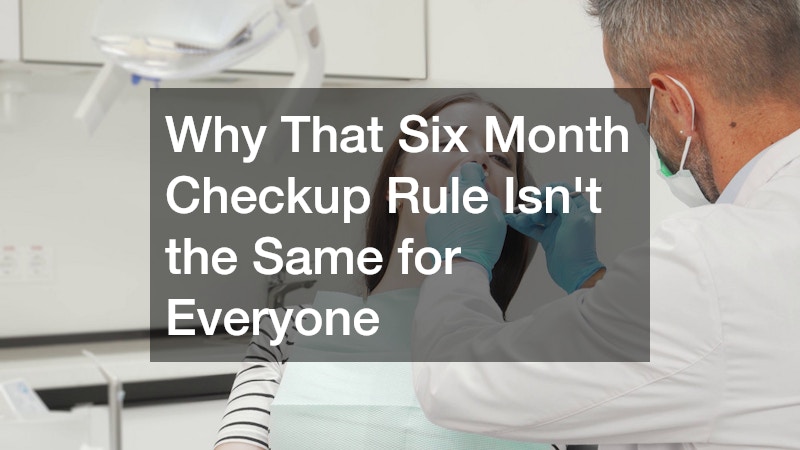
You’ve probably heard the same advice your whole life: see the dentist every six months, no exceptions. But that one-size-fits-all rule was never meant to apply equally to a healthy 30-year-old, a child with new molars, and a grandmother with gum disease. Your actual risk factors, habits, and dental history should shape how often you sit in that chair, not a decades-old marketing slogan.
Understanding why the interval varies can help you make smarter choices about your own care and your budget.
Where the Six Month Rule Actually Came From
The twice-a-year checkup guideline didn’t originate from a landmark clinical study proving it was the ideal interval for every patient. It actually traces back to the 1930s and 40s, when Pepsodent ran ad campaigns urging people to “see your dentist twice a year,” a catchy slogan chosen more for its marketing rhythm than any research behind it. Repeated often enough, that phrase settled into public consciousness as though it were medical fact.
Over time, dentists themselves began treating the interval as flexible guidance rather than gospel. Studies looking at patients with excellent oral hygiene and low cavity risk have found that stretching checkups to nine or even twelve months doesn’t necessarily lead to worse outcomes. Meanwhile, people with gum disease, a history of frequent decay, or certain health conditions like diabetes often need visits every three to four months.
Professional organizations, including the American Dental Association, now describe six months as a general starting point rather than a strict rule. Their official recommendation is that checkup frequency should be based on individual risk factors, determined jointly by the patient and their dentist, not dictated by a decades-old slogan.
The twice-a-year standard didn’t originate from a landmark clinical trial. It traces back to a 1950s toothpaste advertisement that popularized the phrase “see your dentist twice a year,” which then got absorbed into public consciousness as if it were medical fact. Dental associations eventually adopted similar language, but the recommendation was always meant as a general starting point, not a rule backed by strong evidence for every patient.
Research on cleaning intervals has actually shown mixed results, with some studies finding little difference in gum health between patients who visit every six months and those who go once a year. A widely cited Cochrane review looking at routine dental checkups found insufficient evidence to say that six-month visits produce better outcomes than longer intervals for healthy adults. That doesn’t mean checkups aren’t valuable, but it does mean the ideal frequency depends heavily on individual risk.
Risk factors that push someone toward more frequent visits include smoking, diabetes, pregnancy, a history of gum disease, orthodontic appliances, or a diet high in sugar. A low-risk adult with excellent home care, no history of cavities, and healthy gums may genuinely be fine with an annual visit. Someone with active decay, deep periodontal pockets, or poor plaque control, on the other hand, might need to be seen every three to four months to prevent small problems from becoming serious ones.
Personal Risk Factors That Change Your Ideal Interval
Several personal factors influence how quickly problems can develop in your mouth, and these are what actually determine the right schedule for you. Genetics, diet, medication use, and even stress levels all play a role in how fast plaque builds up or gums become inflamed. Someone who smokes or has diabetes, for example, faces a much higher risk of gum disease progressing quickly between visits.
- People with a history of cavities or root canals often need closer monitoring
- Dry mouth from medications increases decay risk and may call for more frequent visits
- Pregnant patients often need extra checkups due to hormone-related gum changes
- Heavy coffee, tea, or tobacco use can accelerate buildup that a cleaning would normally catch early
- Patients with weakened immune systems may need more frequent oral health monitoring
Children and Teenagers With Braces or Growing Teeth
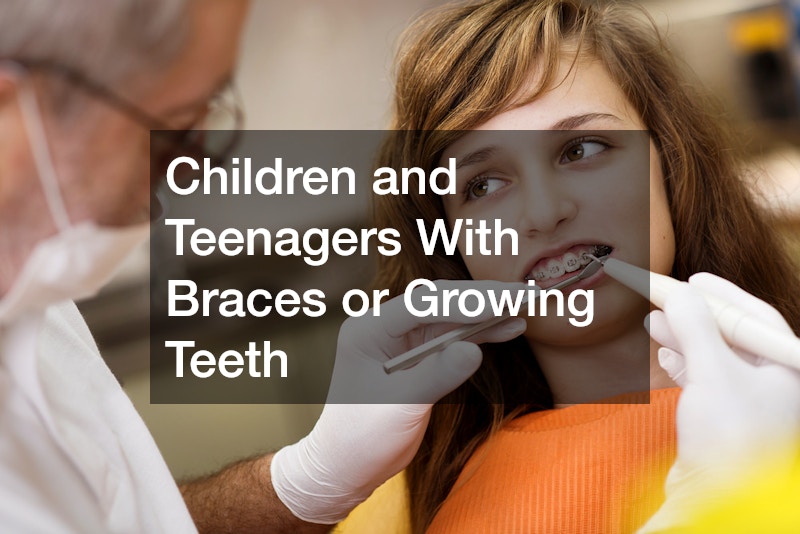
Kids are not just small adults when it comes to dental scheduling. Their mouths are constantly changing as baby teeth fall out and permanent teeth come in, which means problems can develop or shift faster than they would in an adult’s stable bite. This is one reason many families also work with orthodontists during these years, since monitoring alignment and jaw growth requires a different rhythm of visits than a standard cleaning schedule.
Kids with braces usually need to see their orthodontists every month or so for adjustments, in addition to regular dental cleanings. Meanwhile, children without braces but with a history of cavities may still need the traditional six-month schedule, or even more frequent visits if their enamel is still developing and vulnerable. Coordinating between a general dentist and orthodontists ensures nothing falls through the cracks during these high-change years.
Restorative Work Like Crowns, Fillings, and Bridges
If your mouth contains restorative work, your maintenance schedule often needs to shift accordingly. Dental crowns, for instance, protect a weakened or damaged tooth, but the margin where the crown meets the natural tooth can still develop decay or loosen over time. Patients with multiple dental crowns or older restorations are often encouraged to come in more frequently so small issues can be caught before they require a full replacement.
- Crown margins should be checked regularly for gaps or leakage
- Older fillings can crack or shrink, creating new decay risk
- Bridges require extra attention to the supporting teeth on either side
- Patients with dental crowns should mention any sensitivity or looseness right away rather than waiting for a scheduled visit
Gum Disease and Periodontal Maintenance Needs
Anyone diagnosed with gum disease, even in its early stages, typically falls outside the standard six-month framework entirely. Periodontal maintenance cleanings are usually scheduled every three to four months because bacteria below the gumline rebuild much faster than surface plaque. Skipping these closer intervals is one of the most common reasons gum disease quietly progresses to bone loss.
The good news is that once gum health stabilizes, some patients can eventually stretch their intervals back out under close observation. This is a decision best made collaboratively, since periodontal healing varies widely from person to person. Regular monitoring during this phase also gives your care team a chance to catch other issues, like receding gum lines or areas of persistent inflammation, before they become bigger problems.
How to Ask for a Schedule That Fits Your Own Mouth
The best way to figure out your ideal interval is simply to ask directly at your next appointment rather than assuming the default applies to you. Bring up your specific habits, medications, and family history so the recommendation is based on your actual risk rather than a generic timeline. Most dental practices welcome this conversation, since a personalized plan tends to produce better outcomes than blindly following tradition.
- Ask what specific risk factors are driving your recommended interval
- Request a written explanation if you’re told to come in more or less often than expected
- Track any changes in sensitivity, bleeding, or discomfort between visits
- Revisit your schedule annually, since risk factors can change with age or health shifts
Conclusion
The six-month rule was never a rigid law of nature, just a convenient average that works reasonably well for some people and poorly for others. Your ideal checkup frequency depends on your personal risk factors, your dental history, and any ongoing treatment you’re receiving. Rather than defaulting to habit, talk openly with your care provider about what schedule actually fits your mouth, and adjust as your circumstances change over time.
About the Author