
Oral health is a lifelong journey that begins before a baby utters their first word and continues into a person’s golden years. The landscape of a human mouth transforms dramatically over a lifetime, shifting from the delicate gums of a newborn to the complex structures required to support aging teeth. Throughout these physical changes, the need for consistent and comprehensive care remains a constant reality for individuals striving for overall systemic health. A cohesive approach to oral care simplifies the management of these shifting needs. When multiple generations rely on a unified plan, the logistics of appointments, records, and treatments become significantly more manageable. This concept of family dentistry creates a foundation where trust is built over decades. It allows practitioners to track genetic predispositions, monitor developmental milestones, and anticipate future issues long before they become problematic. From the initial stages of infancy, where feeding difficulties might signal anatomical issues, to the advanced stages of adulthood requiring complex restorative work, every phase requires specific expertise. A well-charted path ensures that every milestone is met with the appropriate intervention, ultimately leading to a lifetime of confident smiles and optimal physical health.
The Critical First Steps in Infancy

Many people assume that dental care begins only when the first tooth erupts, but the structural integrity of the mouth dictates function from the moment of birth. Newborns rely entirely on their oral mechanics to feed, swallow, and eventually learn to articulate complex sounds. When an infant struggles with latching during nursing or bottle feeding, caregivers often feel a deep sense of frustration. One common, yet highly treatable, condition involves restricted tissue beneath the tongue or upper lip. These restrictions, commonly known as tongue ties, severely limit the natural mobility of the mouth. This limitation can cause significant pain for a nursing mother and prevent the infant from receiving adequate nutrition, often leading to poor weight gain and severe digestive discomfort. Recognizing the subtle signs of restricted oral mobility requires a highly specialized eye. A skilled pediatric dentist possesses the specific training necessary to diagnose and address these soft tissue anomalies safely. Modern interventions for these issues are remarkably gentle, often utilizing advanced laser technology to release the restricted tissue in a matter of seconds. This minor procedure typically results in immediate improvements in feeding mechanics. Beyond immediate nutritional concerns, addressing these structural limitations early on paves the way for proper palate development. The tongue acts as a natural expander for the upper jaw. When it can rest comfortably against the roof of the mouth, it encourages optimal facial growth and broad airway expansion. Waiting too long to address these physical restrictions can lead to a cascade of developmental issues down the road, including severe speech impediments. By intervening in the first few months of life, professionals correct the foundational mechanics of the mouth, setting the stage for healthy development. This initial phase focuses heavily on caregiver education, ensuring parents understand how to gently clean bare gums, preparing the environment for the inevitable arrival of primary teeth.
Building Healthy Habits in Early Childhood
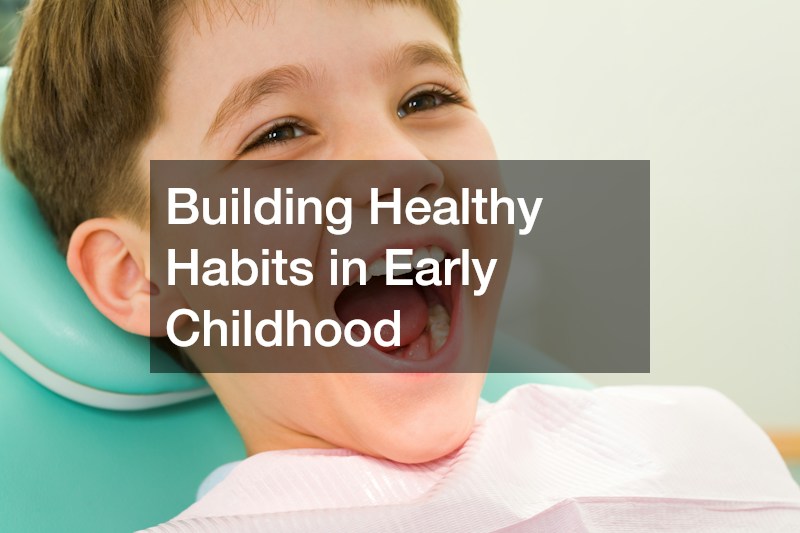
As infancy transitions into the toddler years, the oral landscape undergoes a dramatic and sometimes uncomfortable physical transformation. The eruption of primary teeth introduces new challenges and responsibilities for parents. A child’s initial experiences in a healthcare setting can shape their attitude toward hygiene for the rest of their lives. Therefore, the atmosphere in which this care is delivered matters immensely. A dedicated dental clinic for kids is designed specifically to mitigate fear and foster a sense of natural curiosity. These specialized environments often feature child-sized equipment, soothing sensory adaptations, and staff members trained specifically in behavioral guidance techniques for highly anxious young patients. The goal is to transform a potentially intimidating physical examination into a positive, engaging, and educational experience. During these formative visits, professionals meticulously monitor the eruption patterns of the primary teeth, checking for proper spacing and any early signs of enamel demineralization. Toddlers are notoriously prone to accidents as they learn to run, making trauma to the front teeth a common occurrence that requires careful, continuous monitoring. In addition to observation, early childhood is the prime time to introduce essential preventive measures such as professional fluoride applications and protective sealants. Sealants act as a physical barrier, filling in the deep, hard-to-clean grooves of the back molars where standard toothbrush bristles simply struggle to reach. This simple, painless application significantly reduces the risk of early childhood caries, a condition that can cause immense pain and lead to premature tooth extraction. The early loss of baby teeth is particularly detrimental because these primary structures act as vital physical placeholders for the permanent teeth developing beneath the gums. Caregivers receive extensive, hands-on guidance during this phase regarding proper brushing techniques, appropriate toothpaste sizing, and the heavy impact of dietary choices on fragile enamel health. By establishing rigorous home routines, parents safeguard their children against completely preventable decay.
Navigating the Complexities of Adolescence
The adolescent years bring about a whirlwind of physical and emotional changes, and the structural development of the mouth is no exception. This phase is heavily characterized by the natural shedding of the last primary teeth and the emergence of the complete permanent dentition. As the jaw grows and the facial structure matures, alignment issues often become glaringly apparent to both parents and teenagers. Overcrowding and bite misalignments affect both visual appearance and the ability to chew food properly. Misaligned teeth create tight, overlapping spaces that trap plaque and bacteria, significantly increasing the long-term risk of periodontal inflammation and deep interproximal cavities. To address these highly complex spatial and skeletal issues, patients are typically referred to an orthodontist, a highly trained specialist who focuses exclusively on the complex biomechanics of tooth movement and skeletal jaw alignment. The evaluation process during this stage involves comprehensive digital imaging and three-dimensional scanning to map out a precise, individualized trajectory for every single tooth. While traditional metal brackets and wires remain a highly effective standard of care for severe skeletal malocclusions, modern technological advancements have introduced far more discreet, lifestyle-friendly alternatives. Many teenagers and young adults now enthusiastically opt for Invisalign, a sophisticated system utilizing a series of clear, removable thermoplastic aligners to gradually shift teeth into their optimal physical positions. This approach offers significant lifestyle advantages, particularly for active adolescents engaged in heavy contact sports or those playing wind instruments in the school band. The removable nature of the clear trays allows for completely normal eating habits without the frustrating dietary restrictions heavily associated with fixed metal appliances. More importantly, it facilitates thorough, unobstructed brushing and flossing at home, effectively mitigating the white spot lesions often seen after traditional braces are finally removed. Beyond the physical and structural corrections, the psychological impact of achieving a straight, harmonious smile during the socially formative teenage years is massive. Throughout this awkward phase, maintaining a clean environment allows the newly aligned teeth to settle perfectly into a healthy, inflammation-free foundation.
Maintaining Brilliance and Health Through Adulthood
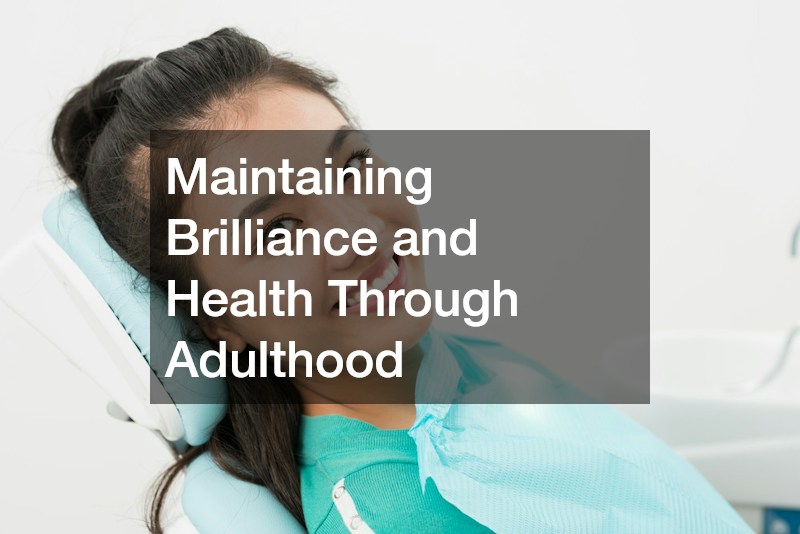
Once the structural and developmental hurdles of youth are successfully cleared, the primary focus of oral care shifts heavily toward long-term maintenance and structural preservation. Adulthood is typically the absolute longest phase of the human dental timeline, spanning several decades of intense, daily physical wear and tear. During these busy years, teeth are constantly subjected to immense mechanical stress from chewing, speaking, and sometimes subconscious nervous habits like nocturnal grinding or aggressive clenching. The modern adult diet, often rich in highly acidic coffees, teas, and processed sugary foods, poses a constant, daily threat to the structural integrity of natural tooth enamel. Routine clinical checkups and thorough prophylactic cleanings performed by general dentists become the cornerstone of a healthy, functioning adult mouth. These professionals act as primary managers of long-term oral health, carefully screening for early signs of decay, aggressive periodontal disease, and potentially dangerous oral pathology. Gum disease in its early stages is often entirely painless and asymptomatic, making professional probing and high-resolution radiographic analysis the only truly reliable methods for early detection. If left completely unchecked, chronic inflammation in the delicate gum tissue can lead to irreversible, devastating bone loss. In addition to essential functional maintenance, adulthood is frequently the precise time when individuals actively seek to enhance the visual appearance of their aging smiles. Years of consuming dark, staining beverages and natural biological aging inevitably lead to noticeable discoloration and minor structural damage like small chips or uneven, worn edges. To address these specific aesthetic concerns, patients often choose to consult a cosmetic dentist who specializes deeply in the precise art and science of smile design. Treatments in this artistic realm range from professional chemical whitening procedures that safely lift deep intrinsic stains, to the meticulous application of ultra-thin porcelain veneers that completely mask visual imperfections. A well-maintained, bright smile is often viewed socially as a marker of youth and vitality, playing a significant psychological role in professional and personal daily interactions.
Restoring Function and Dignity in the Golden Years
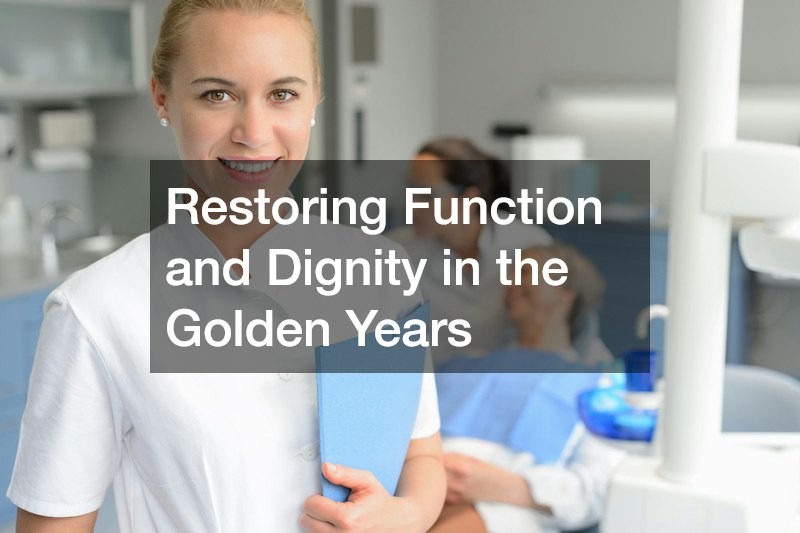
As individuals transition into their senior years, the accumulated physical effects of a long lifetime begin to present incredibly unique challenges to daily oral health. Despite a lifetime of diligent brushing and regular professional care, the natural, unavoidable aging process inevitably impacts the resilience of the teeth and the delicate surrounding supporting tissues. Salivary flow often decreases significantly with advanced age, a condition frequently exacerbated by daily medications prescribed for systemic health issues. This reduction in saliva eliminates the mouth’s innate ability to wash away food particles and neutralize harmful bacterial acids, leading to an increased risk of rapid root decay. Furthermore, decades of constant mechanical friction can severely wear down the flat chewing surfaces, drastically altering the patient’s natural bite and putting excess, painful strain on the complex jaw joints. Unfortunately, total or partial tooth loss remains a highly prevalent issue among older populations, whether due to advanced periodontal disease, deep structural fractures, or aggressive recurrent decay. Losing natural teeth is a profoundly disruptive physical event that affects far more than just a person’s visual appearance. It severely compromises the ability to chew fibrous, nutrient-dense foods, leading to frustrating dietary restrictions and potential malnutrition. It also significantly alters natural speech patterns and can cause the underlying facial muscles to sag downward, artificially accelerating the visual aging process. To combat these cascading physical and emotional effects, comprehensive restorative solutions are absolutely paramount. For patients missing entire arches of teeth, custom-crafted dentures offer a highly effective, reliable way to restore both necessary daily function and vital facial structural support. Managing these complex physical cases requires an overarching, highly detailed dental service that takes into serious account the patient’s overall medical history, current bone density, and specific functional goals. The primary objective of senior oral care is to strictly preserve human dignity, ensure absolute daily comfort, and maintain the highest possible quality of life for as long as possible.
The Journey Forward
The biological trajectory of human oral health is a remarkably complex evolution, spanning from the delicate days of early infancy to the nuanced restorative needs of advanced age. Each distinct biological stage presents a totally unique set of physical challenges and requires a highly specific, tailored clinical approach to ensure optimal long-term outcomes. Recognizing the profound importance of early structural intervention sets a powerful, positive trajectory for proper physical development, effectively preventing severe developmental complications long before they can fully manifest. As individuals naturally grow and age, the clinical emphasis naturally transitions from establishing healthy foundational childhood habits to meticulously correcting spatial skeletal alignments and preserving the hard integrity of the permanent adult teeth against daily environmental stressors. Ultimately, the much later stages of human life demand a highly compassionate, focused approach to restoring lost physical function and maintaining an independent, dignified, and high-quality of life. Navigating this lifelong biological journey successfully requires intense, consistent dedication, thorough patient education, and a proactive approach to routine preventive maintenance. A lifetime of healthy, fully functional smiles is never achieved by mere accident; it is carefully built and fiercely protected through decades of careful attention and timely, professional medical intervention.
About the Author