If you or your child recently got braces, you may have heard the orthodontist mention rubber bands. You might be wondering: What do rubber bands do for braces? Are they really necessary? Do they make treatment faster?
Rubber bands, also called elastics, play a very important role in orthodontic treatment. While braces straighten your teeth, rubber bands help fix your bite. Together, they create a healthy, aligned smile.
In this comprehensive guide, we’ll explain:
- What rubber bands for braces actually do
- Why they’re so important
- How they fix bite problems
- How long you need to wear them
- Tips for wearing them correctly
Let’s break it down in simple terms.
What Are Rubber Bands for Braces?
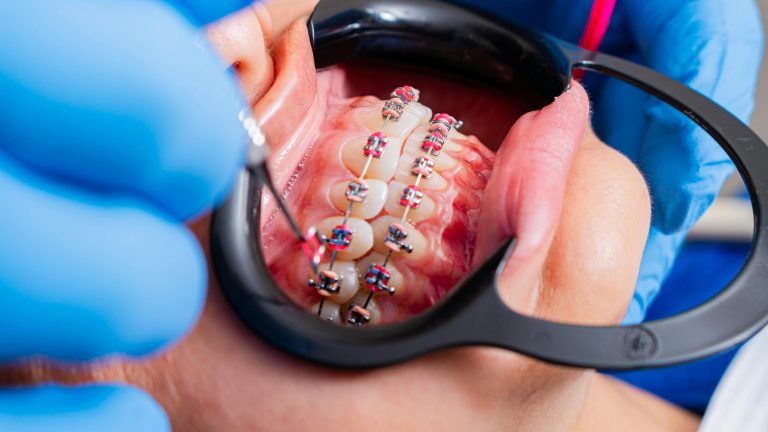
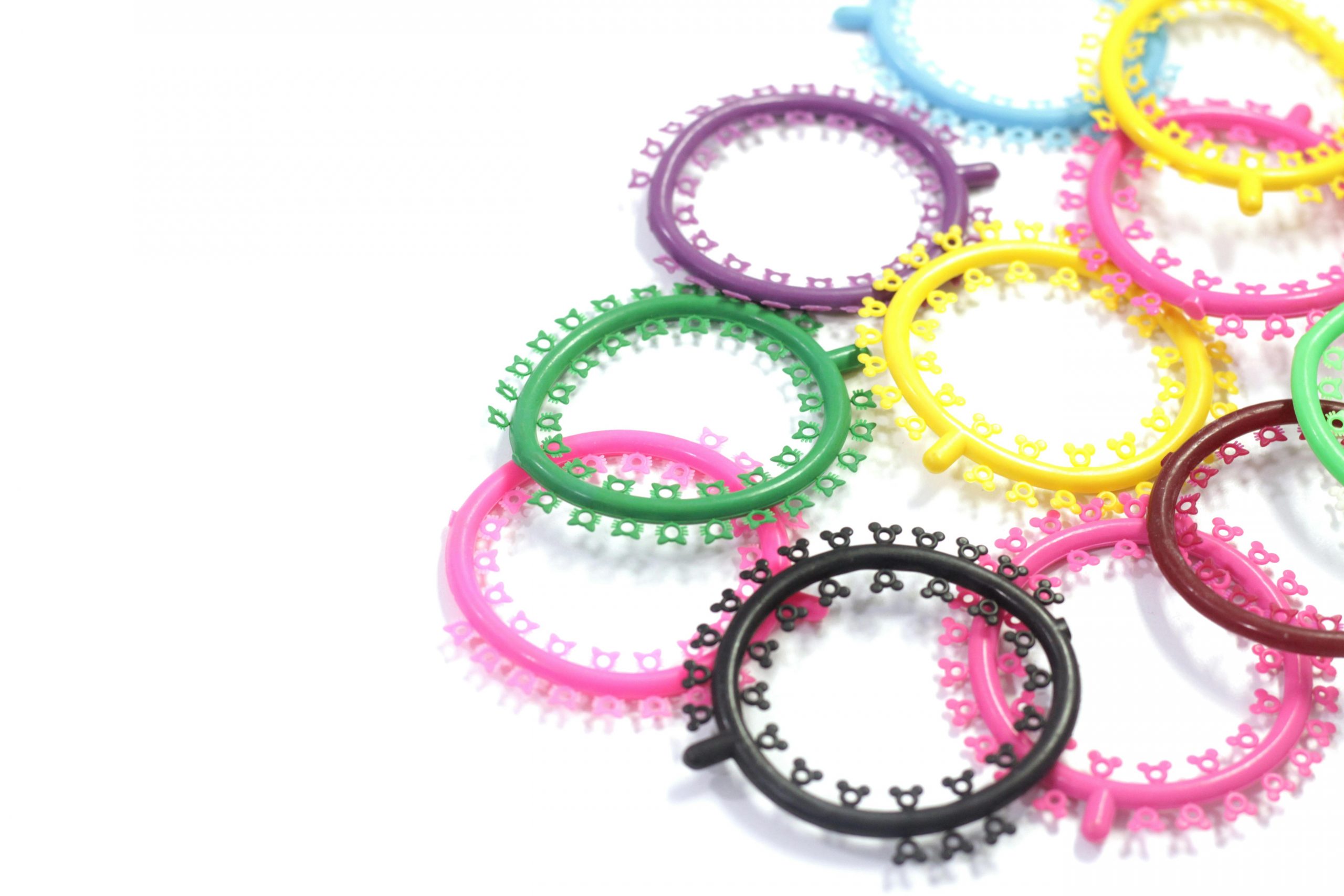
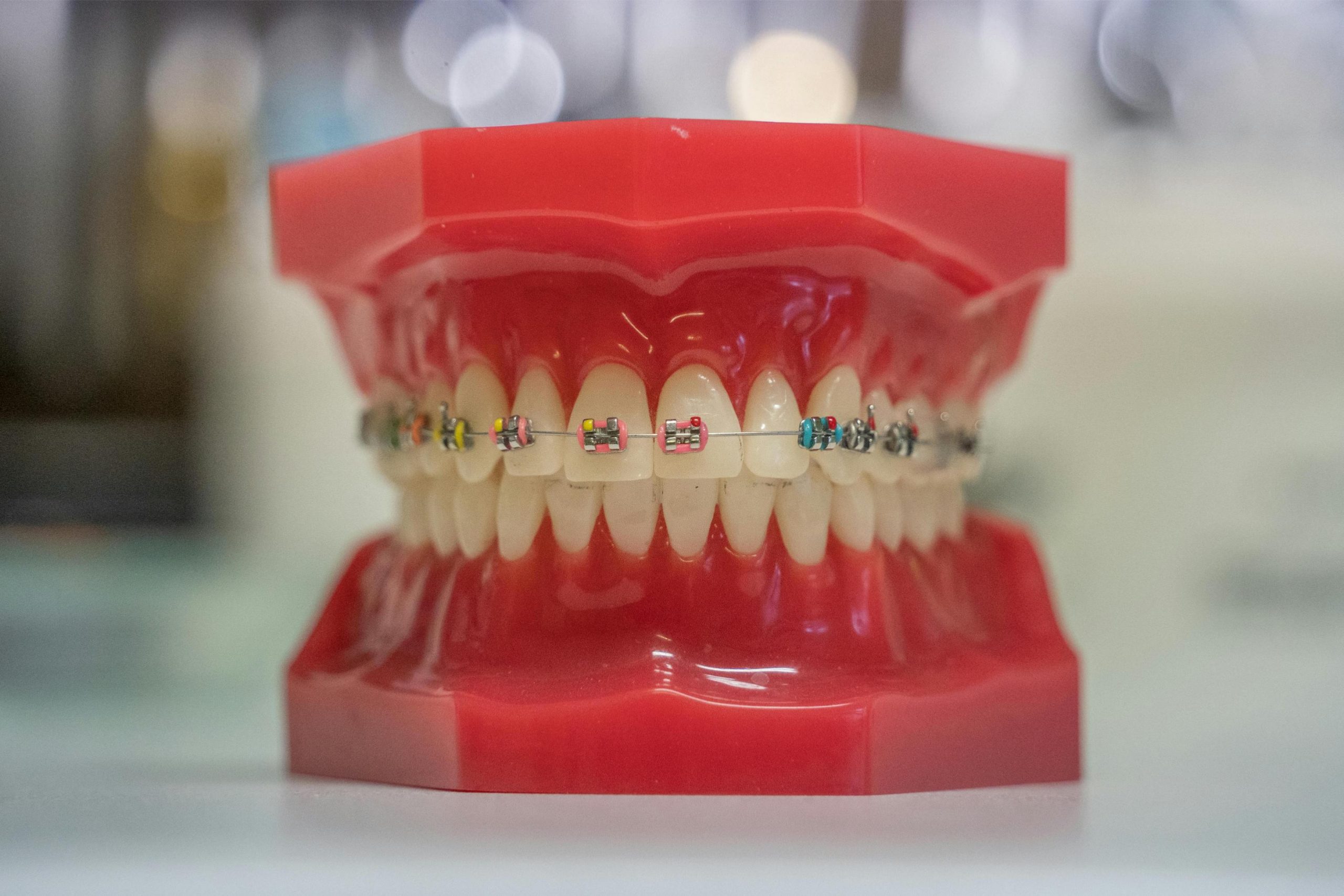
Rubber bands for braces are small, stretchy elastics that connect different brackets in your mouth. They are usually hooked from the top teeth to the bottom teeth.
Unlike the tiny colored ties that hold the wire to each bracket, these rubber bands are removable. Patients take them out when eating or brushing and replace them afterward.
Orthodontists use rubber bands to apply extra pressure in specific directions. This controlled pressure helps move your teeth and jaw into the correct position.
Think of braces as the tool that straightens each tooth. Rubber bands are the tool that helps your upper and lower teeth fit together properly.
What Do Rubber Bands Do for Braces?
Rubber bands help correct bite problems. This includes:
- Overbite
- Underbite
- Crossbite
- Open bite
Braces alone can straighten teeth, but they cannot always fix how the upper and lower teeth meet. Rubber bands guide the jaw alignment so your bite becomes balanced.
Here’s what they do in more detail:
1. Fix Overbite
An overbite happens when the upper front teeth stick out too far over the bottom teeth.
Rubber bands can:
- Pull the upper teeth backward
- Push the lower teeth forward
- Improve jaw alignment over time
This reduces excessive overlap and helps your teeth meet correctly.
2. Correct Underbite
An underbite is when the lower teeth sit in front of the upper teeth.
In this case, elastics help:
- Move the upper teeth forward
- Guide the lower teeth backward
- Improve facial balance
Without rubber bands, correcting an underbite can be very difficult.
3. Adjust Crossbite
A crossbite happens when some upper teeth sit inside the lower teeth when biting down.
Rubber bands apply sideways pressure to:
- Shift teeth into better alignment
- Prevent uneven tooth wear
- Reduce stress on the jaw
4. Close Open Bite
An open bite occurs when the front teeth don’t touch when the back teeth are closed.
Rubber bands help:
- Pull teeth vertically
- Improve contact between upper and lower teeth
- Allow proper chewing function
Why Rubber Bands Are So Important
Many patients think rubber bands are optional. They are not.
Orthodontists carefully design treatment plans. Rubber bands are often a key part of that plan.
Here’s why they matter:
- They improve how your teeth fit together
- They speed up bite correction
- They reduce long-term jaw problems
- They help prevent uneven tooth wear
- They create a stable final result
If you skip wearing your rubber bands, treatment can slow down significantly. In some cases, it can even move backward.
Consistency is everything.
How Do Rubber Bands Work?
Rubber bands create tension. That tension applies steady force to the teeth and jaw.
Orthodontic treatment works because of controlled pressure. When pressure is applied to teeth:
- The bone around the tooth breaks down slightly on one side.
- New bone forms on the other side.
- The tooth slowly moves into a new position.
Rubber bands increase this pressure in specific directions. That’s how they guide jaw movement and bite correction.
It may not feel like much, but that gentle force works 24 hours a day when you wear them as instructed.
Types of Rubber Bands for Braces
Not all rubber bands are the same. Your orthodontist chooses the size and strength based on your treatment needs.
By Size
Rubber bands come in different diameters. Smaller bands create stronger tension. Larger ones stretch farther.
Common sizes include:
- 1/8 inch
- 3/16 inch
- 1/4 inch
- 5/16 inch
By Strength
They also vary in strength:
- Light
- Medium
- Heavy
- Extra heavy
Your orthodontist may change the size or strength during treatment as your bite improves.
Never switch sizes on your own.
How Long Do You Have to Wear Rubber Bands?
Most patients wear rubber bands for several months. Some may need them for a shorter time. Others may need them longer.
Typically, orthodontists recommend wearing rubber bands:
- 20 to 22 hours per day
- Removing them only to eat and brush
- Replacing them at least once daily
Fresh rubber bands work better because they lose elasticity over time.
The more consistent you are, the faster your bite will improve.
What Happens If You Don’t Wear Rubber Bands?
This is a common question.
If you don’t wear your elastics as directed:
- Your bite won’t correct properly
- Treatment time may increase
- Teeth may shift incorrectly
- You may need additional adjustments
Some patients wear rubber bands only before appointments. This does not work. It can even cause soreness because teeth are being forced suddenly instead of gradually.
Steady, daily wear is the key to success.
Do Rubber Bands Hurt?
It’s normal to feel mild soreness when you first start wearing rubber bands.
You may notice:
- Jaw tightness
- Tooth pressure
- Mild headaches
- Slight discomfort while chewing
This usually lasts a few days.
To manage discomfort:
- Stick to soft foods at first
- Use over-the-counter pain relievers if approved by your dentist
- Apply cold compresses if needed
The soreness is a sign that your teeth are moving.
Tips for Wearing Rubber Bands Correctly
Following your orthodontist’s instructions is very important. Here are some helpful tips:
Replace Them Daily
Rubber bands lose stretch over time. Change them at least once per day or as directed.
Carry Extras
Keep extra rubber bands in:
- Your backpack
- Your purse
- Your car
- Your locker
You never know when one might break.
Wear Them Full Time
Only remove them when:
- Eating
- Brushing
- Flossing
Put them back on right away.
Follow the Exact Pattern
Your orthodontist will show you how to hook them.
Some patterns include:
- Front-to-back
- Triangle shape
- Box shape
- Vertical pattern
Even small changes in placement can affect your results.
If you’re unsure, call your orthodontic office for guidance.
Can You Double Up on Rubber Bands?
Some patients think wearing two rubber bands will make teeth move faster.
This is not safe.
Doubling up can:
- Cause too much pressure
- Damage tooth roots
- Slow down progress
- Increase pain
Always follow your orthodontist’s instructions.
Rubber Bands and Oral Hygiene
Wearing rubber bands makes oral hygiene even more important.
Food and plaque can easily build up around brackets and elastics.
Make sure to:
- Brush after every meal
- Use floss threaders or a water flosser
- Rinse with mouthwash
- Clean around hooks and brackets carefully
Healthy gums help teeth move more efficiently.
How Rubber Bands Improve Long-Term Oral Health
Rubber bands do more than improve your smile’s appearance. They also improve function.
A properly aligned bite:
- Reduces jaw strain
- Prevents uneven tooth wear
- Lowers risk of chipped teeth
- Improves chewing efficiency
- May reduce TMJ symptoms
Correcting bite problems early can prevent bigger dental issues later in life.
Rubber Bands for Kids vs. Adults
Both children and adults may need rubber bands during orthodontic treatment.
For children and teens:
- Growth can help speed up jaw correction
- Early treatment may prevent surgery later
For adults:
- Jaw growth is complete
- Rubber bands still effectively adjust tooth position
- Treatment may take slightly longer
Age does not prevent successful results. Compliance matters more than age.
Common Questions About Rubber Bands for Braces
Can I Eat With Rubber Bands On?
No. Remove them before eating to prevent breakage and choking risk.
What If a Rubber Band Breaks?
Replace it immediately with a new one. Always carry extras.
Can I Sleep With Rubber Bands?
Yes. In fact, nighttime wear is very important for continuous pressure.
How Often Should I Change Them?
Most orthodontists recommend changing them at least once daily.
When Will I Stop Wearing Rubber Bands?
You will stop wearing rubber bands once your bite is properly aligned.
Your orthodontist will monitor:
- Tooth movement
- Jaw position
- Bite contact
When everything fits together correctly, elastics are no longer needed.
Stopping too early can undo progress.
Final Thoughts: Why Rubber Bands Matter
So, what do rubber bands do for braces?
They fix your bite.
Braces straighten teeth. Rubber bands align the upper and lower jaws. Together, they create a healthy, functional, and beautiful smile.
While they may feel uncomfortable at first, they are one of the most powerful tools in orthodontic treatment. Wearing them exactly as instructed can:
- Shorten treatment time
- Improve bite function
- Prevent long-term dental problems
- Deliver better overall results
If you ever feel unsure about how to wear your rubber bands, contact your orthodontist. Clear communication leads to better outcomes.
Your smile is worth the effort.
About the Author