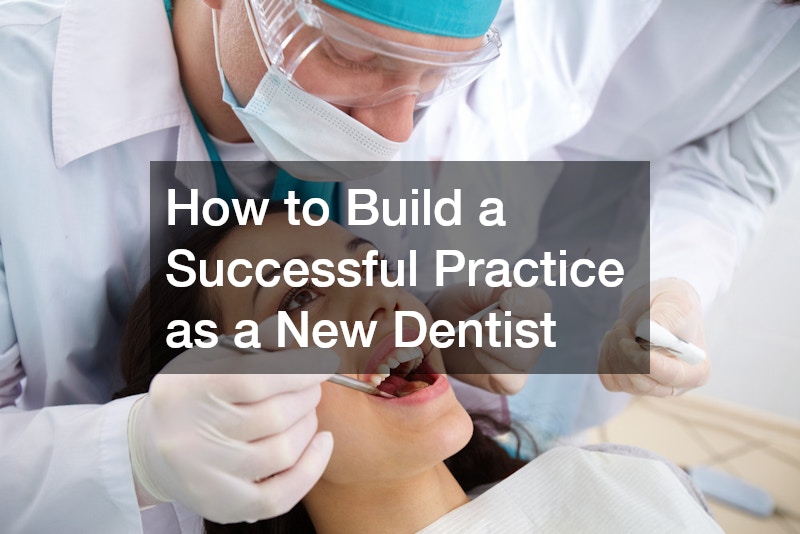

Entering the professional world as a new dentist is a journey defined by both excitement and immense responsibility. You have spent years mastering the complexities of oral anatomy, pharmacology, and clinical technique, but the transition from a student or associate to a practice owner requires a completely different set of skills. Building a successful practice is as much about entrepreneurship and leadership as it is about clinical excellence. In an increasingly competitive healthcare landscape, new practitioners must find ways to differentiate themselves, optimize their operations, and build lasting trust within their communities. This guide explores the essential pillars of establishing a flourishing dental practice that serves both your patients’ needs and your professional goals.
Strategies for Effectively Marketing Your New Dental Practice

In the digital age, a “build it and they will come” mentality is a recipe for an empty waiting room. Marketing is the engine that drives new patient acquisition, and for a new dentist, it must be strategic and multifaceted. Your brand should reflect your values, whether that is high-tech efficiency, a gentle touch for anxious patients, or a focus on specific high-value treatments. Modern marketing involves a blend of local SEO, social media engagement, and educational content that demystifies dental procedures for the public.
One of the most effective ways to draw in a specific demographic—particularly young professionals and image-conscious adults—is to highlight modern, discreet orthodontic solutions. By marketing services like invisalign, you tap into a high-demand market that prioritizes aesthetics and convenience. Patients searching for clear aligners are often looking for a modern practice that embraces technology. When you position your practice as a provider of these popular services, you not only increase your case acceptance but also attract a patient base that is typically proactive about their oral health and more likely to invest in further preventive care.
Building Strong Community Partnerships With Local Pediatric Specialists
No dentist is an island. The success of a general practice often depends on the strength of its referral network and its reputation among peers. For a new dentist, building relationships with specialists is not just about where to send complex cases; it is about creating a comprehensive ecosystem of care. When parents in your community feel that their entire family’s needs are being managed by a cohesive team of experts, their loyalty to your practice grows.
Taking the time to introduce yourself to local pediatric dentists is a vital first step. Children have unique physiological and psychological needs, and while a general dentist can handle many pediatric cases, knowing when to collaborate with a specialist ensures the best outcomes for the youngest patients. These partnerships often become reciprocal. A pediatric specialist may refer parents back to you for their own adult restorative work, or transition their teenage patients to your care once they outgrow the pediatric environment. By fostering these professional bonds, you establish yourself as a community-minded practitioner who prioritizes patient welfare above all else.
Establishing an Online Reputation to Become the Best Local Provider

In a world where patients consult Google Reviews before booking a cleaning, your online reputation is your most valuable currency. A new dentist must be intentional about gathering social proof. This involves more than just having a website; it requires active management of your digital footprint. High-quality photography of your office, video testimonials, and a consistent presence on local business directories all contribute to a sense of authority and reliability.
The ultimate goal for any ambitious new practitioner is to be recognized by patients as the best dentist in their specific geographic area. Achieving this title isn’t about self-promotion; it is about the aggregate voice of your patient base. Encouraging satisfied patients to leave detailed reviews about their experiences—highlighting your punctuality, the cleanliness of the office, and the clarity of your explanations—builds a “digital moat” around your practice. As your positive ratings climb, search engine algorithms will naturally favor your practice, making you the first choice for anyone searching for quality care in your city.
Master the Clinical Fundamentals of Modern Restorative Procedures
While marketing and reputation are essential, they must be backed by clinical results that stand the test of time. For the modern dentist, “basic” restorative work has evolved significantly. Patients no longer want just a functional fix; they want permanent solutions that look and feel natural. Staying at the forefront of continuing education is mandatory to ensure that your clinical skills keep pace with technological advancements in materials and techniques.
One area where excellence is non-negotiable is the placement and restoration of dental implants. Implants have become the gold standard for tooth replacement, and offering this service in-house (or expertly managing the restorative phase) can significantly boost your practice’s revenue. Mastering the nuances of bone density, surgical guides, and soft tissue management allows you to provide a life-changing service to patients who might otherwise struggle with traditional bridges or removable appliances. When you provide high-quality restorative work, you decrease the rate of “re-work” and increase the lifetime value of every patient in your chair.
Integrating Aesthetic Services Into a Comprehensive Care Model

The line between “health” and “beauty” is increasingly blurred in the dental industry. Patients today are highly motivated by the appearance of their smiles, often seeking out dental care for cosmetic reasons before they experience functional pain. Integrating aesthetic services into your practice is not about “selling” vanity; it is about providing comprehensive care that addresses the patient’s self-esteem and confidence.
As a cosmetic dentist, you have the opportunity to perform transformative procedures like porcelain veneers, professional whitening, and gum contouring. These services often serve as an entry point for patients who haven’t seen a dentist in years. Once they are in the door for a cosmetic consultation, you can then address underlying periodontal issues or decay that they may have been ignoring. By balancing “want-based” dentistry with “need-based” dentistry, you create a balanced revenue stream and a practice that caters to the diverse motivations of your local community.
Providing Personalized Solutions for Long-Term Patient Care
As the population ages, the demand for high-quality prosthetic solutions remains high. While many new dentists focus heavily on the latest high-tech gadgets, there is immense value in mastering the “old school” arts of prosthodontics, updated with modern materials. Providing solutions for edentulous or partially edentulous patients requires patience, a keen eye for facial proportions, and exceptional communication skills.
Offering custom dentures that are meticulously fitted and aesthetically pleasing can set you apart from “high-volume” clinics that offer one-size-fits-all solutions. A patient who can eat comfortably and smile confidently thanks to your prosthetic work will become one of your most vocal advocates. Taking the time to do multiple try-ins and adjusting for proper phonetics and vertical dimension shows a level of care that patients rarely find in the modern, corporate dental world. This personalized approach builds a foundation of trust that is essential for long-term practice stability.
Developing a Collaborative Network for Complex Orthodontic Cases
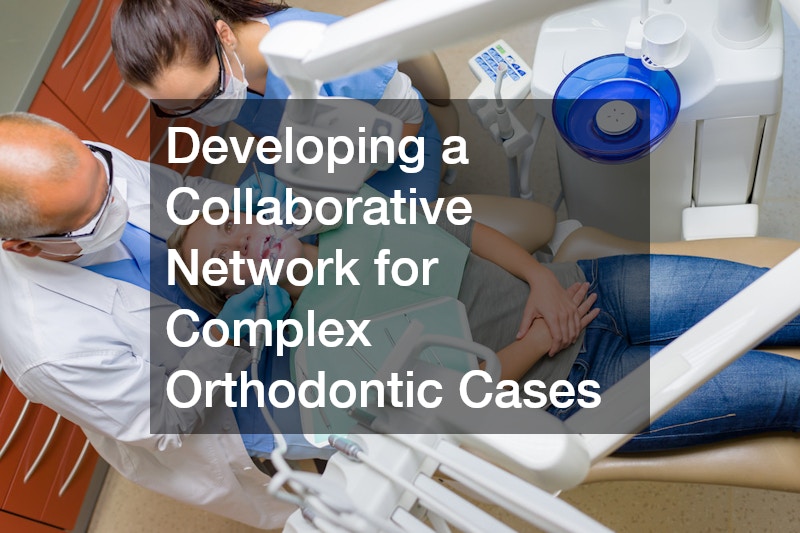
As you grow your practice, you will inevitably encounter cases that require a multi-disciplinary approach. Malocclusions, impacted teeth, and skeletal discrepancies often require the intervention of a specialist. For a new general dentist, knowing your limits is a sign of professional maturity, not a lack of skill. Establishing a smooth referral pipeline ensures that your patients receive the highest standard of care without feeling like they are being “shuffled” around.
Developing a rapport with a local orthodontist allows for seamless co-management of complex cases. For example, if you are planning a full-mouth reconstruction but the teeth are poorly positioned for ideal restorative margins, an orthodontist can “pre-align” the arch. This collaborative effort results in a superior final product. Furthermore, regular communication with an orthodontist helps you stay informed about the latest trends in tooth movement and retention, which in turn makes you a better diagnostician during your routine hygiene exams.
Sourcing High-Quality Tools Through Reliable Local Suppliers
The efficiency of your clinical day is heavily dependent on the quality of the tools at your disposal. From handpieces and curing lights to the chairs your patients sit in, your equipment is the backbone of your daily labor. For a new dentist, the temptation to buy the cheapest options online can be strong, but this often leads to equipment failure, downtime, and frustrated patients.
Building a relationship with a vendor for local dental equipment is a strategic move for long-term reliability. Local suppliers often provide faster repair services and better warranties than “big box” internet retailers. When your compressor goes down on a Tuesday morning, having a local representative who can be at your office within the hour is the difference between a minor hiccup and a lost day of production. Additionally, local reps can often provide hands-on training for your staff on new technology, ensuring that your investment is fully utilized from day one.
Optimizing Your Office Layout for Maximum Workflow Efficiency
The physical environment of your practice affects everyone who enters it—from the patient in the waiting room to the assistant in the sterilization center. A poorly designed office leads to “bottlenecks,” where staff members are constantly crossing paths or patients are left waiting because an operatory isn’t turned over fast enough. If you are taking over an existing practice, one of your first priorities should be an update to the physical plant.
A well-planned dental clinic renovation can pay for itself through increased throughput and improved ergonomics. Consider the “Golden Triangle” of dental design: the relationship between the operatory, the imaging center, and the sterilization room. Minimizing the steps your team has to take throughout the day reduces fatigue and minimizes errors. Furthermore, a modern, updated environment sends a powerful message to your patients: it tells them that you are successful, that you invest in your practice, and that you are committed to providing care in a clean, contemporary setting.
Choosing the Right Partner for a Professional Suite Buildout
If you are starting a practice from scratch—the “scratch start” dream—the construction phase is likely the most stressful part of the process. Dental offices are highly specialized environments requiring complex plumbing for air and water, lead shielding for X-rays, and specific electrical requirements for high-tech machinery. A general residential contractor is rarely equipped to handle these nuances.
To ensure your project stays on schedule and within budget, you must hire an experienced medical construction company. These specialists understand the specific building codes and health department regulations that apply to healthcare facilities. They can help you navigate the permitting process and ensure that your suction lines have the correct slope and your cabinetry is designed for proper infection control. Choosing a partner who specializes in medical builds prevents the “costly surprises” that often derail new practice owners before they even open their doors.
In conclusion, building a successful dental practice is a marathon, not a sprint. It requires a harmonious balance between clinical skill, business acumen, and relationship management. By focusing on modern marketing, building a robust professional network, and investing in both your office environment and your continuing education, you create a practice that is resilient and rewarding. Success in dentistry is measured not just by your production numbers, but by the health of your patients and the satisfaction of your team. As a new dentist, you have the unique opportunity to build a culture of excellence from the ground up. Embrace the challenges, stay curious, and always keep the patient’s best interest at the center of every decision. With the right strategy and a commitment to quality, your new practice will not only survive but thrive in the years to come. Through careful planning—from the initial construction to the daily clinical interactions—you are building more than just a business; you are building a legacy of health in your community.
Furthermore, the journey to a thriving practice is fueled by your ability to adapt to an ever-changing industry. The landscape of dentistry will continue to shift with new technologies and patient expectations, but the core principles of integrity, empathy, and professional growth remain constant. By surrounding yourself with the right experts—from construction partners to specialist networks—you ensure that your practice is built on a foundation as solid as the restorative work you provide. As you look toward the future, remember that every successful career is built one patient at a time. By prioritizing excellence in every facet of your business, you aren’t just creating a workplace; you are fostering a community hub of health and confidence that will serve as a cornerstone of your professional legacy for decades to come.
About the Author