
Modern healthcare increasingly recognizes that oral health is not an isolated aspect of the body but a central pillar of overall wellness. The mouth is one of the primary entry points for bacteria, nutrients, and environmental exposure, meaning that what happens in the oral cavity can influence everything from cardiovascular health to immune response and even mental well-being.
Poor oral hygiene has been linked in numerous studies to chronic conditions such as diabetes complications, respiratory infections, and systemic inflammation. At the same time, preventive dental care can reduce risks that extend far beyond cavities and gum disease. When individuals take a proactive approach to oral care, they are often also improving their diet, lifestyle habits, and awareness of broader health signals.
Whole-body wellness requires coordination between daily habits, professional care, nutrition, and even environmental awareness. This article explores how dental care fits into that broader picture and how individuals can take actionable steps to improve both oral and overall health.
1. Strengthening Preventive Care Through Regular Dental Visits

Consistent dental care is one of the most effective ways to prevent long-term health complications. Early detection of oral issues can prevent infections from spreading and reduce the need for invasive treatments later in life. Preventive care also helps identify signs of systemic disease that often appear in the mouth first, such as vitamin deficiencies, autoimmune conditions, or immune-related imbalances. Subtle changes like gum inflammation, persistent bad breath, or enamel erosion can serve as early warning signals that something deeper in the body may need attention.
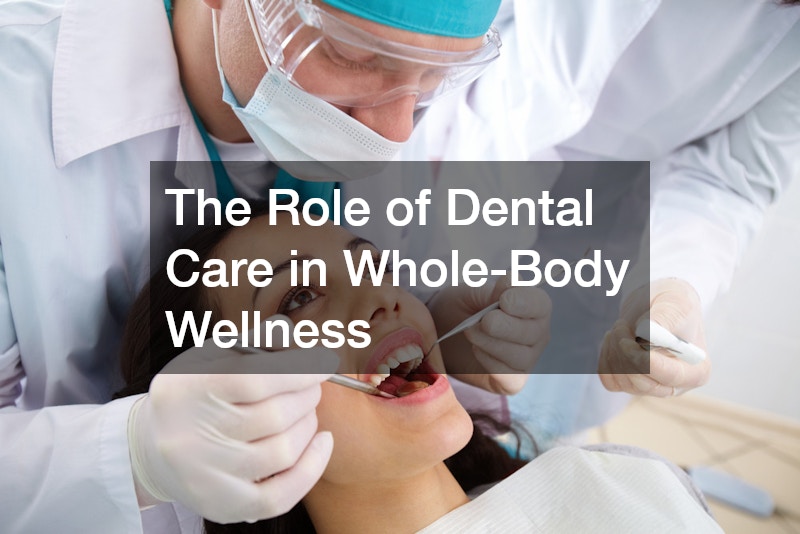
A trusted dentist office plays a central role in creating structured preventive care plans. Routine cleanings, exams, and screenings ensure that small issues are addressed before they become major health concerns. These visits typically include plaque removal, cavity checks, gum health evaluations, and oral cancer screenings, all of which contribute to long-term health stability. Patients who maintain regular visits are more likely to avoid emergency procedures and maintain stronger long-term oral health outcomes, both physically and financially.
Another often overlooked benefit of preventive care is education. Dental professionals can provide personalized guidance on brushing techniques, flossing habits, and product recommendations based on individual needs. This helps patients correct ineffective habits they may have followed for years without realizing the impact.
Similarly, establishing a relationship with local dentists improves continuity of care. Local providers often understand community-specific health patterns, environmental factors, and even dietary trends that may influence oral health outcomes. This familiarity allows for more tailored treatment recommendations and faster recognition of recurring issues.
Additional preventive advantages include:
- Early identification of bite alignment or jaw tension issues
- Monitoring of enamel wear caused by grinding or acidic diets
- Tracking gum recession before it becomes irreversible
- Personalized risk assessments based on family history and lifestyle
Preventive dental care is also closely tied to long-term behavioral change. Patients who regularly engage with their dental providers are more likely to adopt healthier routines at home, such as reducing sugar intake or improving hydration. Over time, these small adjustments compound into significantly better oral and systemic health outcomes.
Consistency is key. Preventive care is not about reacting to problems but actively reducing the likelihood of them occurring in the first place through ongoing awareness, education, and professional support.
2. Lifelong Oral Health Strategies for Families
Oral health is shaped early in life and continues to evolve through adulthood and aging. Establishing strong habits within families ensures that dental wellness becomes a shared priority rather than an individual responsibility. When oral care is treated as a household value rather than an individual task, it becomes much easier to maintain consistency and accountability across all age groups. Children, in particular, benefit from structure and repetition, which helps them internalize healthy routines that last into adulthood.
Family-oriented dental care providers are especially valuable in coordinating treatment across all age groups. A family dentists approach allows for consistent monitoring of hereditary conditions, bite alignment issues, and developmental concerns in children. It also simplifies scheduling and ensures that parents and children receive aligned guidance on preventive care, dietary habits, and hygiene techniques. This continuity helps families avoid gaps in care that can lead to long-term complications.
Key strategies for family oral health include:
- Creating morning and evening brushing routines for all ages
- Introducing flossing habits early in childhood
- Limiting sugar intake in snacks and beverages
- Scheduling joint family dental appointments for convenience and consistency
- Encouraging children to understand the importance of oral hygiene
- Using age-appropriate toothbrushes and fluoride toothpaste
- Setting timers or songs to ensure proper brushing duration
Education plays a major role. When parents model strong oral care habits, children are significantly more likely to maintain those habits into adulthood. This modeling effect extends beyond brushing and flossing—it also includes attitudes toward dental visits, nutrition choices, and overall health awareness. Children who see dental care as a normal, non-threatening part of life are less likely to develop dental anxiety later.
Family-based care also helps identify patterns that may otherwise go unnoticed, such as recurring cavities or enamel sensitivity that runs in the household. Over time, these observations can guide more personalized prevention strategies, including dietary adjustments or targeted treatments.
3. Nutrition and Medication as Foundations of Oral Health

Diet and medication use significantly influence oral health outcomes. The foods we consume affect saliva production, bacterial balance, and enamel strength, while medications can alter oral chemistry and increase susceptibility to dryness, inflammation, or decay. Over time, these factors can either strengthen or weaken the mouth’s natural defenses, making daily choices a critical part of long-term dental wellness.
Incorporating healthy groceries into daily meals supports stronger teeth and healthier gums. Foods rich in calcium, phosphorus, and vitamin D contribute to enamel strength, while fibrous fruits and vegetables naturally help clean tooth surfaces by stimulating saliva flow and gently scrubbing away plaque buildup. A balanced diet also supports the immune system, which plays a key role in controlling gum inflammation and preventing periodontal disease.
Helpful dietary habits include:
- Increasing intake of leafy greens and dairy products
- Choosing water over sugary beverages
- Eating crunchy fruits and vegetables like apples and carrots
- Reducing processed sugar consumption
- Maintaining hydration to support saliva production
- Including protein sources like eggs, fish, and legumes for tissue repair
- Limiting acidic foods that can erode enamel over time
Meal timing also matters. Frequent snacking, especially on sugary or acidic foods, can keep the mouth in a constant state of acid exposure, increasing the risk of cavities. Eating structured meals and allowing time between snacks gives saliva a chance to neutralize acids and restore balance.
At the same time, medication management plays an important role in oral health. A pharmacy can be a valuable resource for understanding side effects of prescriptions and accessing oral care products such as fluoride rinses, sensitivity toothpaste, or prescription-strength treatments for gum disease. Many individuals are unaware that common medications for allergies, blood pressure, or depression can reduce saliva production, increasing the risk of dry mouth and decay.
Patients should always:
- Ask pharmacists about dry mouth side effects
- Request oral-friendly medication alternatives when possible
- Use prescribed dental rinses consistently
- Monitor changes in taste or saliva production after starting new medications
- Stay hydrated to counteract medication-related dryness
Together, nutrition and medication awareness create a strong foundation for maintaining oral health by supporting the body’s natural ability to protect, repair, and balance the oral environment.
4. Jaw Health, Posture, and Structural Connections
Oral health extends beyond teeth and gums into the musculoskeletal system. Jaw alignment, bite pressure, and muscle tension can all influence posture and even contribute to chronic pain conditions in the neck, shoulders, and upper back. The jaw is closely connected to the temporomandibular joint (TMJ), which works in coordination with surrounding muscles and spinal structures. When this system is out of balance, it can create a chain reaction of discomfort that affects daily movement and quality of life.
Many individuals experiencing persistent discomfort may not realize that their symptoms originate in the jaw or bite alignment. Headaches, ear pressure, facial soreness, and even sleep disturbances can all be linked to dental or structural issues. Addressing these problems often requires a combination of dental evaluation and physical treatment strategies, as well as long-term habit correction.
Approaches to improving jaw-related wellness include:
- Monitoring clenching or grinding habits, especially during sleep
- Using night guards when recommended by a dental professional
- Practicing jaw relaxation exercises throughout the day
- Maintaining proper posture during screen use
- Avoiding excessive gum chewing or hard foods that strain the jaw
- Applying warm compresses to relax overworked muscles
- Performing gentle stretching of the neck and jaw area
Stress management also plays a significant role. Emotional stress is a major contributor to teeth grinding and jaw tension, particularly at night. Incorporating relaxation techniques such as deep breathing, meditation, or light physical activity can reduce muscle strain and prevent long-term damage.
In some cases, chronic structural concerns may require consultation with a plastic surgeon, particularly when facial alignment or reconstructive needs are involved. These specialists can collaborate with dental professionals to improve both function and appearance, especially in cases involving trauma, congenital conditions, or significant asymmetry.
Another important area of care is neck pain treatment, which often intersects with jaw alignment issues. Muscular tension in the neck can directly influence jaw positioning, and vice versa, creating a cycle of discomfort that worsens over time if left untreated. Addressing spinal alignment, posture habits, and muscle imbalances can significantly improve oral comfort and reduce chronic pain.
A coordinated approach ensures that both functional and structural factors are addressed together rather than in isolation, leading to more complete and lasting relief.
5. Tools, Technology, and Cross-Sector Health Awareness

Modern healthcare relies heavily on advanced tools and equipment that improve diagnostic accuracy and treatment effectiveness. Dental practices depend on high-quality imaging systems, sterilization tools, and precision instruments to ensure safe and effective care.
Behind these advancements are medical equipment suppliers who provide essential technologies to healthcare providers. Their role ensures that dental offices can offer accurate diagnostics, efficient procedures, and improved patient outcomes.
Beyond human healthcare, environmental awareness also contributes to overall wellness. Household health can be influenced by sanitation, hygiene, and even animal health within the home.
Collaboration with a veterinarian is important for families with pets, as animals can influence household bacteria exposure and overall hygiene practices. Regular veterinary care helps reduce cross-contamination risks and promotes a healthier shared environment.
Key takeaways include:
- Understanding the importance of high-quality dental equipment
- Recognizing how technology improves early diagnosis
- Maintaining household hygiene to support oral health
- Considering pet health as part of overall wellness planning
Technology and cross-sector collaboration strengthen the entire health ecosystem.
6. Environmental Influences on Oral and Systemic Health
Environmental factors often go overlooked in discussions about oral wellness, yet they can have a significant impact on long-term health outcomes. One often ignored factor is water quality and plumbing infrastructure.
Aging or damaged systems may introduce contaminants or alter mineral balance in household water. In some cases, pipe replacement becomes necessary to ensure safe and clean water access. Since water plays a major role in oral hygiene—through brushing, rinsing, and hydration—its quality directly affects dental health.
Important considerations include:
- Testing household water for mineral balance and contaminants
- Monitoring discoloration or taste changes in tap water
- Ensuring plumbing systems are updated and well-maintained
- Using filtered water when necessary for oral hygiene routines
Environmental health is not separate from personal health. Clean water and safe infrastructure support better oral hygiene outcomes and reduce exposure to harmful substances that may affect teeth and gums.
7. Integrating Daily Habits Into Long-Term Wellness

True wellness comes from integrating multiple aspects of health into daily life rather than treating each system independently. Oral health is influenced by diet, environment, physical posture, medical care, and lifestyle habits.
Creating a sustainable wellness routine involves:
- Maintaining consistent hygiene practices (brushing, flossing, rinsing)
- Scheduling preventive health appointments regularly
- Eating a balanced, nutrient-rich diet
- Staying aware of medication side effects
- Managing stress, which can contribute to grinding and inflammation
When these elements work together, individuals experience improved energy levels, reduced risk of chronic disease, and better overall quality of life. Oral health becomes a reflection of total-body health rather than a separate concern.
Dental care is far more than a focus on teeth and gums—it is a foundational element of whole-body wellness. The mouth reflects and influences systemic health in ways that are often underestimated. From nutrition and medication to posture, environment, and professional care, every aspect of daily life contributes to oral health outcomes.
By adopting a proactive and integrated approach, individuals can significantly improve not only their oral hygiene but also their long-term physical well-being. Small, consistent actions taken today can prevent major health issues in the future and support a healthier, more balanced life overall.
About the Author