
Managing complex patient care is one of the most critical responsibilities for dental professionals today. With patients presenting a wide range of needs—from medical conditions and physical limitations to urgent dental issues—practices must adopt a structured and proactive approach. Complex care requires careful planning, coordination with specialists, and the ability to respond quickly to unforeseen circumstances.
Dental teams are challenged not only to deliver effective treatments but also to ensure that patients feel supported and understood throughout their care journey. Implementing best practices for assessing, planning, and monitoring patient care can reduce complications, enhance patient satisfaction, and improve overall health outcomes.
This article explores actionable strategies that dental professionals can adopt to effectively manage complex patient cases, ensuring high-quality, patient-centered care.
Conduct Comprehensive Patient Assessments
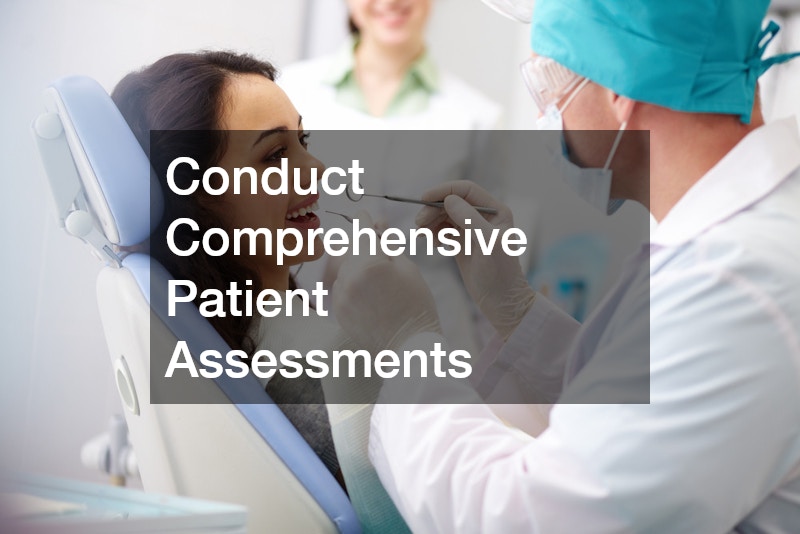
Understanding your patient’s complete medical and dental background is the foundation of effective care. A thorough assessment allows dental teams to anticipate challenges, identify potential complications, and design a treatment plan tailored to each patient. Without a comprehensive evaluation, even routine procedures can become complicated, particularly for patients with pre-existing conditions or unique needs.
Key strategies for comprehensive assessments include:
- Detailed medical history review: Collect information about chronic conditions, medications, allergies, and past surgeries to anticipate potential complications. Understanding a patient’s cardiovascular, endocrine, or immune system status can help prevent adverse reactions during procedures. Documenting medication interactions and previous dental treatments, including prior dental implants or root canal therapy, also supports safer care planning.
- Patient interviews: Ask about lifestyle factors such as diet, exercise, oral hygiene habits, and participation in high-impact activities to identify risks of sports injuries or repetitive strain on oral structures. Questions about sleep patterns, stress levels, and past experiences with dental anxiety can further guide personalized approaches to patient comfort and compliance.
- Special considerations: Patients with unique requirements may benefit from a special needs dentist who can modify procedures, treatment timing, and clinical environments. Adjustments may include using adaptive seating, sedation options, or specialized communication strategies to ensure safety and a positive patient experience.
- Functional evaluations: Assess oral function, jaw movement, bite alignment, and mobility limitations. These evaluations help identify areas that may complicate procedures such as dental implants, orthodontic treatments like Invisalign, or restorative therapies. Observing how patients chew, speak, and maintain oral hygiene provides valuable insights into long-term treatment planning.
By taking the time to thoroughly evaluate each patient, dental teams can identify high-risk individuals, anticipate procedural challenges, and tailor interventions to individual needs. A detailed assessment not only ensures safer treatments but also strengthens patient trust and engagement, laying the groundwork for better outcomes and overall satisfaction.
Develop Individualized Treatment Plans
One-size-fits-all approaches are inadequate for complex patient care. Each treatment plan should consider the patient’s oral health status, personal goals, and long-term wellness. Complex cases often involve multiple procedures, varying levels of patient cooperation, or underlying health conditions, making tailored planning essential for safe and effective outcomes.
Tips for creating effective individualized plans:
- Prioritize treatments: Determine which procedures are urgent and which can be scheduled later. For example, patients may require dental implants to restore function or root canal therapy to address infection. In urgent cases, addressing pain, infection, or trauma first can prevent complications and reduce patient stress. For non-urgent treatments, sequencing care to gradually improve oral health ensures better healing and reduces the risk of overlapping procedures.
- Sequence procedures strategically: Plan treatments in a logical order to minimize discomfort, risk, and recovery time. Combining related procedures in a single visit can reduce repeated anesthesia exposure, while spacing out more invasive treatments allows patients to recover fully between appointments. For example, orthodontic adjustments like Invisalign may be scheduled after foundational restorative work to ensure proper alignment and function.
- Collaborate with specialists: Complex cases often require input from multiple dental professionals. Coordinate with orthodontists, periodontists, prosthodontists, or even a special needs dentist to ensure all aspects of care are addressed. Clear communication among providers allows for integrated care, reduces redundancies, and ensures that each professional’s expertise is fully utilized.
- Patient involvement: Engage patients in the planning process to set realistic expectations and improve adherence to care. Discuss potential outcomes, treatment timelines, costs, and lifestyle considerations. When patients feel informed and empowered, they are more likely to follow post-procedure instructions, attend follow-ups, and maintain long-term oral health.
By customizing treatment plans for each patient, dental teams can improve outcomes, reduce complications, and enhance patient satisfaction. Individualized planning also helps build trust and confidence, demonstrating that the practice prioritizes patient safety, comfort, and overall well-being. A well-structured plan provides a roadmap for both the dental team and the patient, making complex care more manageable and predictable.
Prioritize Emergency Preparedness
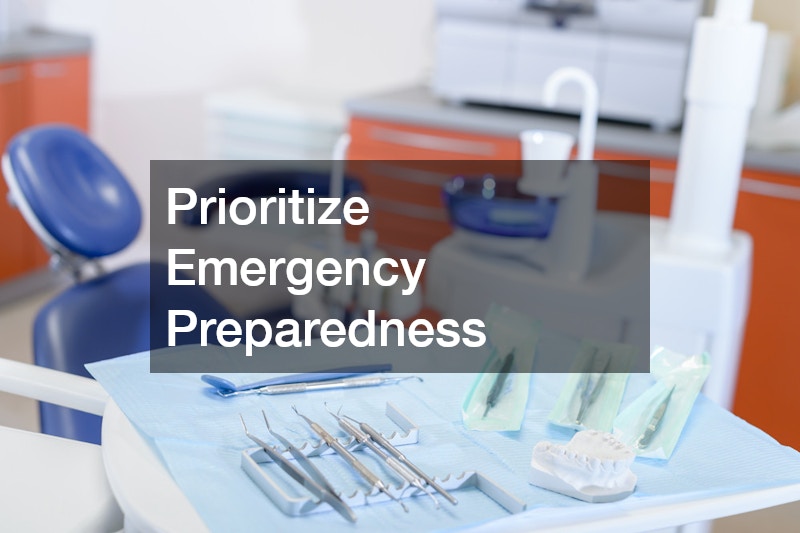
Emergencies can occur at any time, and being prepared is essential for protecting patients, minimizing risk, and ensuring the smooth operation of a dental practice. A well-prepared team can handle unexpected situations efficiently, reduce patient anxiety, and prevent complications that could escalate into serious health issues or legal disputes.
Key considerations for emergency readiness include:
- Establish clear protocols: Develop detailed, step-by-step procedures for handling dental emergencies, including trauma, severe pain, uncontrolled bleeding, or post-procedure complications. These protocols should cover triage, immediate interventions, pain management, and referral procedures to specialists or emergency services. Having standardized processes reduces confusion and ensures consistent care under pressure.
- Train staff regularly: Conduct drills and training sessions to ensure all team members can respond quickly and effectively. Include scenarios such as a patient experiencing sudden swelling, injury during sports activities, or complications following dental implants or root canal therapy. Repeated practice builds confidence and improves response times during real emergencies.
- Legal awareness: Consult a medical malpractice lawyer to understand legal responsibilities associated with emergency care. Proper documentation of patient interactions, informed consent, and treatment decisions is critical for compliance and liability protection. Understanding regulatory requirements helps the practice avoid costly legal disputes and maintain professional standards.
- Communication: Maintain clear communication with patients, both before and during emergencies. Provide instructions on recognizing warning signs, when to call the practice, and when to seek immediate care from an emergency dentist. Effective communication reassures patients, improves outcomes, and strengthens trust in the practice.
In addition, practices should maintain accessible emergency kits, ensure all equipment is functional, and have a list of local emergency contacts ready. Being prepared for emergencies allows dental teams to provide timely, efficient care, safeguard patient well-being, and maintain compliance with both professional and legal standards. A proactive approach not only mitigates risks but also demonstrates professionalism and dedication to patient safety.
Leverage Technology for Care Efficiency
Incorporating advanced technology in dental practices can significantly enhance treatment precision, reduce errors, and improve overall patient satisfaction. Modern tools and digital solutions not only streamline workflows but also provide patients with safer, more comfortable, and predictable care experiences. Additionally, technology can help manage critical operational components, such as supplies and equipment, ensuring smooth delivery of complex procedures.
Ways to integrate technology effectively:
- Orthodontic solutions: Tools like Invisalign allow for discreet, customized alignment treatments tailored to each patient. Digital scanning and treatment planning software enable clinicians to map tooth movements accurately, reducing the need for frequent adjustments. Patients can visualize expected outcomes before treatment, improving understanding and adherence.
- Aesthetic enhancements: Procedures such as rf microneedling can complement dental care by improving facial aesthetics, reducing recovery times, and boosting patient confidence. Integrating technology-assisted aesthetic procedures alongside restorative treatments can create comprehensive results while maintaining patient comfort.
- Treatment simulations and planning: 3D imaging software allows clinicians to plan procedures like dental implants and root canal therapy with precision. By simulating treatments in advance, dental teams can anticipate complications, optimize procedural steps, and reduce patient risk.
- Streamlined inventory management: Efficient medical inventory management tools help track dental supplies, surgical instruments, and medications needed for procedures such as implants or root canal therapy. Automated systems can alert staff when items are low, ensure proper stock rotation, and reduce waste, allowing the team to focus on patient care rather than supply shortages.
- Digital records and communication: Maintaining electronic health records supports accurate documentation, collaboration with specialists, and tracking of patient progress. These systems also allow for integration of inventory, scheduling, and treatment plans, improving overall operational efficiency.
By combining clinical technology with robust inventory management, dental teams can improve precision, reduce errors, and provide high-quality, patient-centered care. Leveraging these tools ensures that both clinical and operational aspects of a practice are optimized, leading to better outcomes and smoother treatment experiences.
Implement Effective Inventory and Resource Management
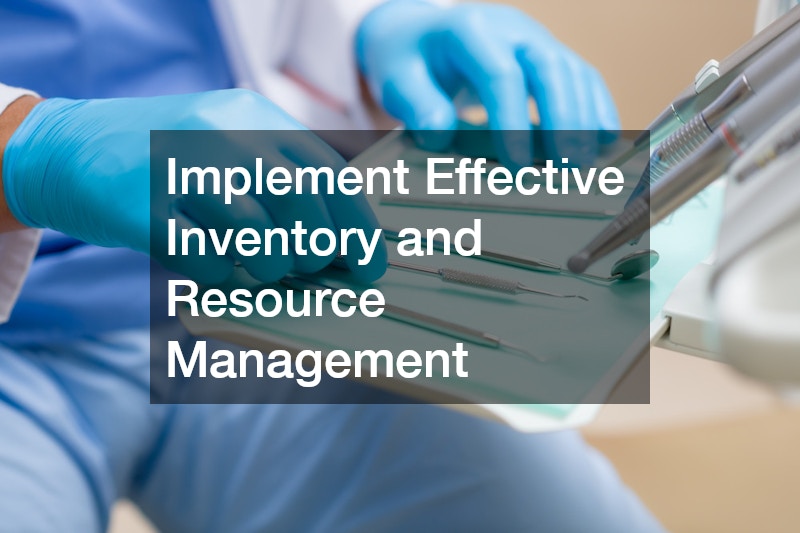
Managing supplies and resources is a critical yet often overlooked component of complex patient care.
Best practices for inventory management include:
- Systematic tracking: Maintain organized records of all dental materials and medical supplies to prevent shortages during critical treatments.
- Forecasting demand: Analyze past usage patterns to predict future needs, ensuring that essential items like surgical tools, dental implants, or medications are always available.
- Partnerships: Collaborate with a health solutions partner to streamline procurement, reduce costs, and access the latest products and technologies.
- Regular audits: Conduct routine checks of inventory to identify expired or low-stock items before they affect patient care.
Effective management of medical supplies ensures smooth operations, reduces stress for the dental team, and prevents delays that could compromise patient outcomes.
Enhance Communication and Patient Education
Clear communication and patient education are essential for improving treatment adherence and outcomes.
Strategies to enhance understanding:
- Explain procedures: Help patients understand complex treatments, such as dental implants or specialized care from a special needs dentist.
- Visual aids: Use diagrams, videos, and models to illustrate procedures and recovery steps.
- Written instructions: Provide take-home materials covering post-treatment care, medication schedules, and preventive tips.
- Active listening: Encourage patients to ask questions and voice concerns, ensuring that they feel involved and informed.
Educating patients empowers them to take an active role in their care, reduces anxiety, and increases satisfaction with complex dental treatments.
Monitor Outcomes and Adjust Care Plans

Regular monitoring allows dental teams to evaluate the effectiveness of treatments and make necessary adjustments.
Practical methods for outcome tracking:
- Follow-up appointments: Schedule check-ins for patients who have received root canal therapy, dental implants, or orthodontic treatments like Invisalign.
- Progress tracking: Use software or charts to document improvements, recovery, or complications.
- Adjustments as needed: Modify treatment plans based on patient response to ensure optimal results.
- Patient feedback: Encourage patients to share their experiences, pain levels, and concerns to refine care approaches.
Monitoring outcomes ensures treatments are effective, allows early intervention for issues, and enhances the overall quality of care.
Foster Interdisciplinary Collaboration
Complex patient care often requires input from multiple professionals. Encouraging collaboration improves outcomes and reduces errors.
Collaboration strategies include:
- Referral networks: Work with specialists, emergency dentists, or rehabilitation professionals to address diverse patient needs.
- Team meetings: Hold regular discussions to review challenging cases and coordinate treatment strategies.
- Shared systems: Use integrated electronic health records to facilitate communication and information sharing.
- Partnerships: Collaborate with health solutions partners to access expertise, training, and support services that improve patient care.
Interdisciplinary collaboration allows practices to provide comprehensive care that addresses both medical and dental complexities efficiently.
Mitigate Risks and Legal Exposure
Proactively addressing legal and operational risks helps protect both patients and the practice.
Key approaches include:
- Documentation: Record all procedures, informed consent, and patient interactions to create a clear legal record.
- Compliance checks: Ensure adherence to regulations, safety standards, and infection control protocols.
- Malpractice preparedness: Consult a medical malpractice lawyer to review protocols and insurance coverage, reducing exposure in complex cases.
- Continuous training: Educate staff on legal responsibilities, risk management, and ethical care practices.
By mitigating risks, dental teams can focus on providing high-quality care while protecting the practice and patients from avoidable complications.
Promote Long-Term Health and Wellness
Supporting patients’ long-term oral and overall health is a critical component of complex care.
Strategies for promoting wellness include:
- Preventive care: Encourage regular check-ups, cleanings, and early interventions to prevent complications.
- Aesthetic and functional treatments: Incorporate procedures such as rf microneedling or sports injury management to enhance oral and facial wellness.
- Patient education: Provide guidance on nutrition, exercise, and oral hygiene to maintain dental health and prevent injuries.
- Holistic approach: Consider the patient’s overall health, lifestyle, and treatment goals when planning care strategies.
Focusing on long-term health helps patients achieve sustainable outcomes and reduces the likelihood of future complications or injuries.
Managing complex patient care requires a thoughtful, structured approach that balances clinical expertise, patient communication, and operational efficiency. By assessing patient needs comprehensively, developing individualized plans, preparing for emergencies, leveraging technology, and fostering collaboration, dental practices can improve outcomes and patient satisfaction.
Implementing these best practices ensures that patients receive safe, effective, and compassionate care while enabling dental teams to manage complexity with confidence. With the right strategies in place, practices can address challenges proactively, reduce risks, and support long-term health and wellness for every patient.
About the Author