

Cavities are among the most common dental problems in the United States, yet many people don’t seek treatment until significant damage has already occurred. Part of the reason is timing — tooth decay rarely announces itself dramatically at first. It tends to develop quietly, and by the time a cavity causes obvious pain, the decay is often well advanced. Understanding the early warning signs changes that dynamic entirely. Catching a cavity when it’s small keeps treatment straightforward and inexpensive. Missing it means potentially facing crowns, root canals, or extractions that could have been avoided.
Tooth Sensitivity That Feels Different From Before
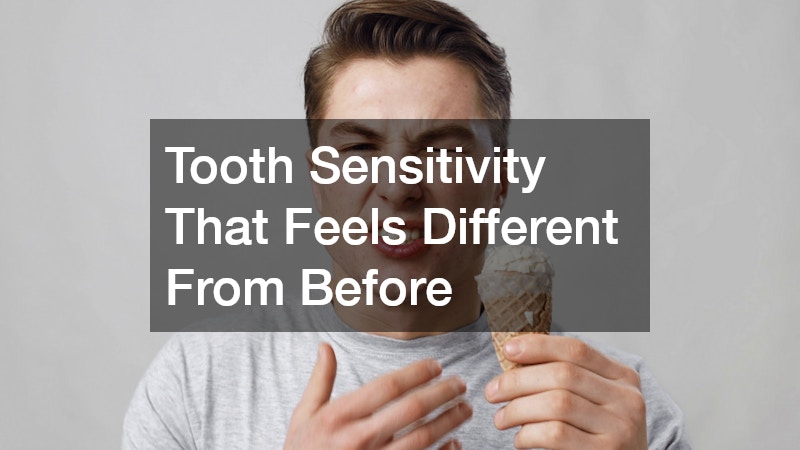
Sensitivity to temperature is one of the earliest signals the body sends when enamel is compromised. Most people experience some degree of sensitivity occasionally, which is why this symptom gets dismissed so often. The distinction worth paying attention to is a change from your normal baseline. If cold water, ice cream, or hot coffee suddenly produces a sharp, localized reaction that lingers for several seconds after the temperature source is gone, that’s different from a passing twinge.
Cavities cause sensitivity because decay erodes enamel and, over time, reaches the dentin layer beneath it. Dentin contains microscopic tubules connected to the nerve, so exposure to temperature or sweet foods travels directly to the pulp. The result is a sharper, more persistent sensation than ordinary sensitivity.
A few distinctions worth noting:
- If sensitivity is triggered specifically by sweets — chocolate, juice, or soda — and concentrated to one area rather than several teeth at once, schedule a dental exam within two to four weeks rather than waiting for your next routine visit.
- Lingering sensitivity that persists more than 30 seconds after the stimulus is removed may indicate the decay has already reached close to the pulp, which can shift treatment from a simple filling to a more involved procedure.
- Keep track of which specific tooth or region is reacting — that detail helps narrow down where imaging should focus during the exam.
Visible Spots, Pits, or Discoloration on the Tooth Surface
Not all cavities are hidden between teeth or beneath the gumline. Many develop on the biting surfaces of molars or on the smooth outer faces of front teeth, where they can become visible if you know what to look for. Early decay often appears as a chalky white or light brown spot. As it progresses, the color typically darkens to brown or black.
A small pit or rough texture on a molar — the kind you might notice when running your tongue across your teeth — can indicate that the enamel surface has broken down. This is distinct from normal tooth anatomy, where the grooves of a molar are smooth and consistent. If one groove feels deeper, stickier, or irregular compared to the others, that’s worth examining professionally.
The challenge here is that discoloration isn’t always decay. Staining from coffee, tea, or tobacco produces surface marks that don’t compromise enamel. The difference is that stains sit on top of the enamel and can usually be cleaned off, while early decay produces a change in the enamel structure itself. A dental probe and X-ray can distinguish between the two in situations where visual inspection alone isn’t definitive.
Toothache and Spontaneous Pain
Spontaneous pain — discomfort that occurs without an obvious trigger like temperature or biting pressure — is a sign that decay has progressed significantly. At this stage, the bacterial activity has likely reached deeper layers of the tooth, possibly into or near the pulp chamber where the nerve is housed.
The pain pattern can vary. Some people describe a dull, constant ache. Others experience intermittent throbbing that wakes them at night. In either case, spontaneous pain points toward a cavity that has moved beyond early-stage treatment. A filling may still be appropriate if the pulp hasn’t been infected, but a root canal becomes necessary when the nerve is involved.
Pain that worsens when lying down is particularly telling — the change in head position increases blood pressure in the area, amplifying inflammation in an already-irritated nerve. If toothache increases noticeably at night or when horizontal, don’t delay evaluation beyond 48 to 72 hours. Untreated pulp infections can spread to surrounding bone and soft tissue rapidly.
Pain When Biting or Chewing

Localized discomfort specifically triggered by biting or chewing — rather than temperature — usually points to decay that has reached a structural depth affecting the tooth under pressure. The enamel and dentin absorb the forces of chewing well when intact, but a cavity creates a weak point. Pressure concentrates at that point, producing a sharp sensation that often surprises people mid-meal.
This symptom is easy to confuse with a cracked tooth, which produces a similar biting-pressure reaction. The difference matters because treatment diverges: a cavity typically calls for a filling or crown depending on depth, while a crack may require a crown, root canal, or extraction depending on where the fracture runs. Your local dentist can use clinical examination and selective bite tests to tell the two apart before committing to a treatment path.
If one particular spot on your bite causes a consistent sharp reaction — identifiable when chewing on one side versus the other — avoid hard or crunchy foods on that side until evaluated. Continued pressure on an already-compromised tooth can fracture the remaining enamel.
Bad Breath or an Unusual Taste
Persistent bad breath that doesn’t resolve with brushing, flossing, and tongue cleaning can have several causes, but an active cavity is one of them. Decay involves bacterial colonization that produces acidic byproducts and, in advanced cases, breakdown of organic tooth material. Both contribute to odor. An unusual or slightly sour taste concentrated in one area of the mouth is a related signal many people overlook..
This symptom is more likely to appear when a cavity has opened enough to trap food debris that bacteria then decompose. Molar cavities and cavities between teeth are particularly prone to this. If you notice persistent odor or taste and your oral hygiene routine is consistent, a cavity or the early signs of gum disease is a reasonable clinical explanation.
When to Act on These Signs
Waiting to see whether a symptom resolves on its own is the most costly mistake in cavity management — both financially and clinically. A filling placed before decay reaches the dentin typically costs between $100 and $300 depending on the size and location. Once decay crosses into the pulp and a root canal becomes necessary, costs can range from $700 to over $1,500 before adding a crown. The clinical outcome also favors early treatment, since teeth treated at the filling stage retain more natural structure.
If more than one of these signs is present simultaneously — sensitivity, visible discoloration, and occasional pain — the probability of active decay is high enough to prioritize an exam within a week, not at the next scheduled cleaning. Symptoms don’t reliably indicate how advanced decay is, which makes professional imaging essential for an accurate picture.
About the Author