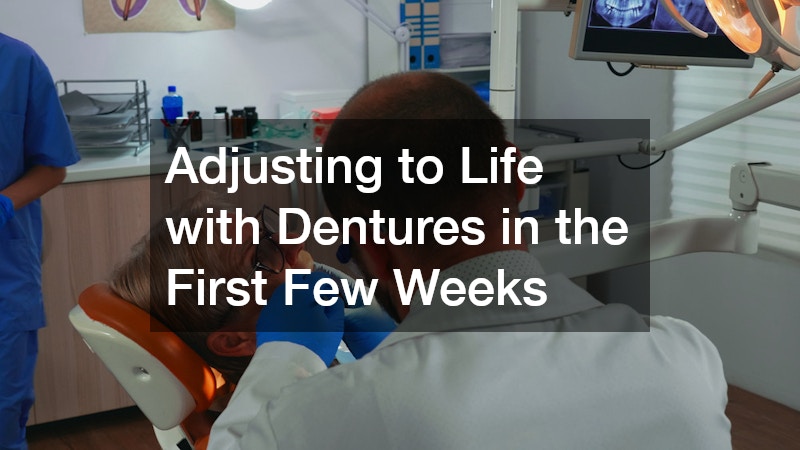

Getting new dentures can feel like a big adjustment, and it is completely normal to experience some discomfort, awkwardness, or self-consciousness during the first few weeks. Your mouth, muscles, and mind all need time to adapt to this new addition. Understanding what to expect during this transition period can help you feel more prepared and less discouraged when challenges arise. With patience and the right strategies, most people find that the initial hurdles gradually give way to comfort and confidence.
Managing Soreness and Irritation in the Gums
It is common to experience tenderness, soreness, or minor irritation in the gums during the first two to three weeks of wearing dentures. Your gum tissue is adjusting to new pressure points it has never experienced before, and this can lead to redness or small sore spots. Rinsing with warm salt water several times a day can help soothe irritated tissue and reduce inflammation. If soreness persists beyond a few weeks or worsens significantly, it may indicate that an adjustment is needed rather than something you simply need to tough out.
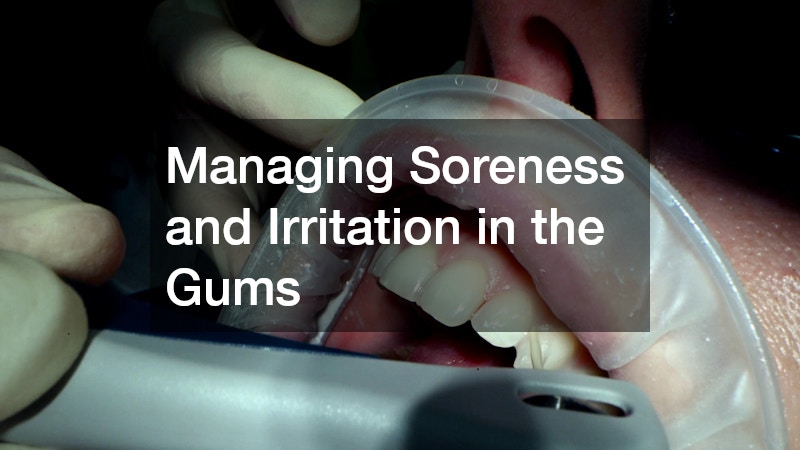
Many people find relief by removing their dentures for short periods during the day to give their gums a rest, though this should only be done as advised. Applying a cold compress to the outside of the jaw can also reduce swelling and discomfort. Keeping a small notebook of when and where soreness occurs can be genuinely helpful when discussing your progress with a professional.
- Rinse with warm salt water two to three times daily
- Avoid very hot or spicy foods while gums are healing
- Note specific sore spots to report at follow-up visits
- Use a cold compress for swelling relief
- Give gums brief rest periods when appropriate
Learning to Speak Clearly Again
Many new denture wearers notice a change in how they speak during the first couple of weeks, including slurring, whistling sounds, or difficulty pronouncing certain words. This happens because your tongue and lips need to relearn how to work around the new shape in your mouth. Reading aloud for a few minutes each day is one of the most effective ways to retrain your speech muscles and build confidence quickly.
It helps to practice in a low-pressure setting, such as at home or with a close friend, rather than jumping straight into important conversations or presentations. Speaking slowly and deliberately at first will feel unnatural, but it allows your mouth to adjust without becoming overwhelmed. Most people notice significant improvement within two to four weeks as muscle memory develops.
Rebuilding Comfortable Chewing Habits
Eating with a new appliance in your mouth often requires a complete rethinking of how you chew. Starting with soft foods cut into small pieces reduces strain and allows you to build confidence before progressing to firmer textures. Chewing slowly and using both sides of your mouth evenly helps keep your bite balanced and prevents unnecessary strain on your gums and jaw.
As your comfort grows, you can gradually reintroduce a wider variety of foods into your diet. It is wise to avoid particularly sticky, hard, or chewy foods until you feel fully adjusted, since these can strain your gums or cause discomfort while your mouth adapts. Patience during this phase pays off, as most people return to enjoying a full and varied diet within a month or two.
- Begin with soups, mashed vegetables, and soft proteins
- Cut food into small, manageable pieces
- Chew slowly using both sides of the mouth
- Gradually add firmer foods as confidence builds
- Avoid nuts, caramel, and crusty bread early on

Establishing a Daily Cleaning and Care Routine
Proper daily care is essential for keeping your new appliance in good condition and preventing bacterial buildup that can affect oral health. The full or partial arch should be brushed daily with a soft brush and a non-abrasive cleanser, then rinsed thoroughly before being placed back in the mouth. Soaking it overnight in an appropriate solution helps maintain its shape and prevents it from drying out and becoming brittle.
Handling this appliance carefully is just as important as cleaning it properly, since dropping it on a hard surface can cause cracks or breaks. Many people find it helpful to clean it over a folded towel or a sink filled with water as a precaution. Establishing a consistent routine early on makes this new habit feel automatic within just a few weeks.
- Brush the appliance daily with a soft-bristled brush
- Use a non-abrasive, specially formulated cleanser
- Soak overnight in an appropriate solution
- Handle over a towel or water-filled sink to prevent damage
- Rinse thoroughly before placing back in the mouth
Scheduling Follow-Up Visits for Fit Adjustments
A new appliance rarely feels perfectly settled from the very first day, and small adjustments are a normal part of the process. Attending scheduled follow-up appointments allows professionals to identify pressure points, correct alignment issues, and ensure the bite feels natural. Dentists are trained to spot subtle problems that patients might not notice themselves, such as uneven pressure that could lead to long-term discomfort if left unaddressed.
For those who prefer a more holistic dentistry approach, many practitioners now incorporate broader wellness considerations into oral care, looking at overall comfort, nutrition, and jaw health as interconnected factors. This perspective can be reassuring for people who want their dental care to align with a whole-body approach to health. Regardless of the philosophy behind your care, consistent follow-up remains one of the most important steps in achieving a comfortable, long-lasting fit.
- Attend all scheduled adjustment appointments
- Report specific areas of discomfort clearly
- Ask questions about long-term maintenance
- Consider a whole-body approach if that aligns with your values
- Keep a record of changes in comfort and fit over time
Adjusting to dentures takes time, patience, and a willingness to work through some temporary discomfort as your mouth adapts. By focusing on gum care, speech practice, eating habits, cleaning routines, and professional follow-up, most people find their new normal within a few short weeks. If challenges persist longer than expected, do not hesitate to reach out to your care provider for guidance and support. With consistency and the right mindset, comfortable, confident daily living with dentures is well within reach.
About the Author