Tooth loss carries a reputation as something that happens to other people — older people, people who skipped the dentist for decades, people who didn’t take care of themselves. The reality is more complicated. Adults across all age groups lose teeth for reasons that often go unnoticed until significant damage is done.
Understanding why it happens, which factors accelerate it, and how to respond after the fact gives readers a meaningful advantage — both in preventing further loss and in making sound decisions about restoration.
The Leading Causes That Adults Overlook
Gum disease is responsible for more adult tooth loss in the United States than cavities. That single fact surprises most people. Periodontal disease progresses slowly, often without pain, and by the time the bone supporting a tooth is compromised enough to cause mobility, the damage is already substantial. Early-stage gum disease — gingivitis — is fully reversible, but it rarely feels urgent enough to act on. That gap between symptom and consequence is where most tooth loss actually originates.
Untreated decay is the second major driver, and here the decision most people regret is delay. A cavity caught at the enamel surface costs a fraction of what a root canal and crown require. When decay reaches the pulp and infection spreads to the surrounding bone, extraction often becomes the only viable option. The tooth isn’t lost because treatment was unavailable — it’s lost because treatment was postponed.
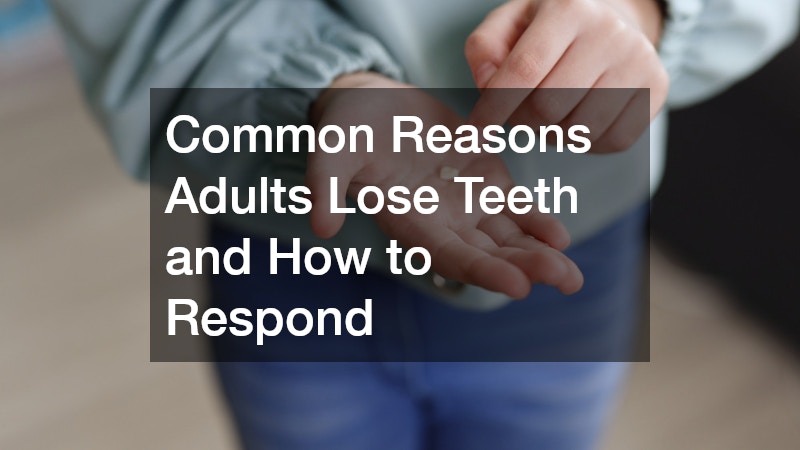
Trauma is a separate category entirely. Accidents, sports injuries, and falls account for a meaningful share of adult tooth loss, and unlike decay or gum disease, there’s no behavioral pattern to reverse. What changes the outcome here is response time: a tooth knocked completely out has a reasonable chance of being reimplanted successfully if the patient reaches a dentist within 30 minutes, keeps the tooth moist, and avoids touching the root. Most people don’t know this.
Why Systemic Health Plays a Bigger Role Than Expected
Conditions like diabetes, osteoporosis, and autoimmune disorders don’t just affect general health — they directly influence oral tissue stability and bone density. Adults with poorly controlled diabetes, for example, experience significantly impaired healing and are more susceptible to the kind of bacterial infections that destroy the periodontal ligament. The relationship runs in both directions: active gum disease makes blood sugar harder to control, creating a cycle that accelerates both conditions.
Medications are frequently overlooked in this conversation. Antidepressants, antihistamines, blood pressure medications, and dozens of other commonly prescribed drugs reduce saliva flow. Saliva isn’t passive — it neutralizes acids, remineralizes enamel, and physically clears bacteria from tooth surfaces. Chronic dry mouth accelerates decay in ways that standard brushing and flossing can only partially offset. Adults managing multiple medications should ask their prescribing physician and their dentist to review the combined effect on oral health, since neither specialist always has the full picture.
Comparing Tooth Replacement Options After Loss
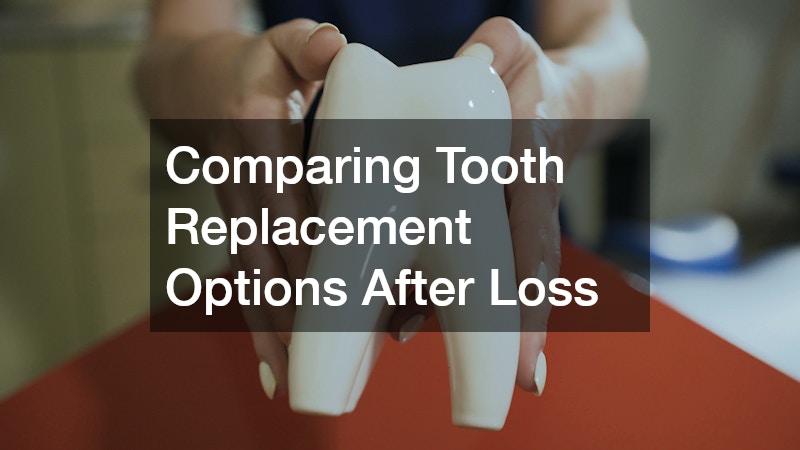
Once a tooth is gone, the decision about replacement involves genuine trade-offs — not just cost, but long-term bone preservation, maintenance requirements, and quality of life.
A removable partial denture is the least expensive entry point, often ranging from $1,000 to $2,500 depending on the number of teeth replaced. It works for many patients and requires no surgery, but it doesn’t prevent the bone resorption that begins almost immediately after extraction. Over time, that resorption changes jaw shape, which affects how the denture fits and can alter facial structure.
Fixed dental bridges address the gap by anchoring an artificial tooth to adjacent healthy teeth. The cost typically falls between $3,000 and $5,000 for a three-unit bridge. The drawback is that healthy neighboring teeth must be filed down to accommodate the crowns — a permanent and irreversible change to otherwise sound structure.
Implants preserve bone by mimicking the root of a natural tooth, which stimulates the jaw through normal chewing forces. Costs run higher — typically $3,000 to $5,000 per tooth when accounting for the crown — but the long-term record on bone preservation is stronger than either alternative. When evaluating whether this option is appropriate, patients often benefit from understanding what dental implant procedures actually involve before committing, since the timeline, surgical steps, and healing period differ significantly from what most people expect.
The right choice depends on bone volume available, the patient’s overall health, budget constraints, and how many teeth are missing. There is no universally correct answer, and patients who pressure their dentist for a quick recommendation without working through those variables often regret the outcome.
Responding Immediately After a Tooth Is Lost
The first 24 to 48 hours after tooth loss are often the most consequential. For a knocked-out permanent tooth, the priority is keeping the tooth viable: place it in milk or a saline solution if it can’t be reinserted into the socket, and get to a dental office — not an emergency room — within 30 minutes if at all possible. Emergency rooms rarely have the equipment or expertise to handle dental reimplantation.
For a tooth lost to extraction or advanced decay, the response window is longer but still time-sensitive. Bone loss in an empty socket begins within weeks. Patients who plan to pursue an implant eventually but want to wait a year or two may find that bone grafting becomes necessary — adding cost and surgical complexity that could have been reduced with earlier action. If a bone graft is recommended as part of the implant workup, that is typically performed at the time of extraction or shortly after, not as an afterthought.
- Ask for a bone graft evaluation at the time of extraction if any implant is being considered, even tentatively.
- Keep the extraction site clean with a saline rinse — at least 24 hours after extraction — to reduce infection risk without disturbing the clot.
- Schedule a consultation within 4 to 6 weeks of extraction to assess bone levels before significant resorption occurs.
Prevention Strategies That Actually Move the Needle
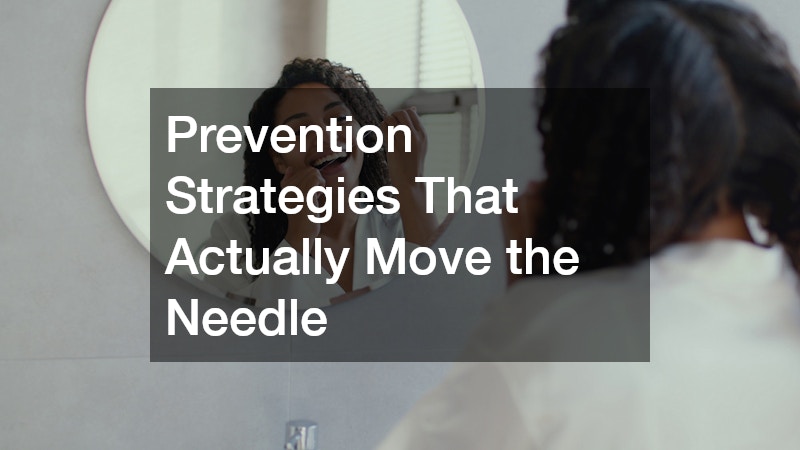
The two interventions with the strongest evidence behind them are professional cleaning every six months and daily interdental cleaning. Brushing removes plaque from tooth surfaces but misses the spaces between teeth where periodontal disease typically starts. Floss, water flossers, or interdental brushes — used consistently — address that gap. Neither is expensive. Both are significantly less costly than the restorations they prevent.
For adults who grind their teeth at night, a custom night guard is worth the $400 to $800 investment. Bruxism fractures teeth over time, destroys enamel, and places chronic stress on the periodontal ligament. It also tends to worsen under stress, and many adults don’t know they do it until a dentist notices the wear pattern. A partner mentioning nighttime grinding is equally diagnostic.
Adults who smoke face a compounding risk: smoking impairs blood flow to gum tissue, masks the early signs of periodontal disease by reducing inflammation, and significantly lowers the success rate of implant procedures. Quitting reduces periodontal risk within months — the gum tissue begins responding to treatment more effectively almost immediately after cessation.
What to Do When Dental Costs Feel Prohibitive
Cost is a genuine barrier for many adults, and pretending otherwise doesn’t help. A useful framework distinguishes between costs that are deferrable and costs that compound when deferred. Cosmetic concerns can wait. Active infections cannot. An untreated abscess can spread to surrounding bone and adjacent teeth, turning a $200 extraction into a $3,000 surgical procedure — or worse.
Dental school clinics offer supervised care at 40 to 60 percent below typical private practice rates. Quality is not compromised — the work is performed by supervised graduate students using the same materials and techniques. Community health centers operating under the federally qualified health center model offer sliding-scale fees based on income, and many accept Medicaid.
- Confirm before any procedure whether a sliding-scale fee applies to your income level — bring documentation to the first appointment.
- Ask the dental office about a phased treatment plan that sequences urgent work first and elective restoration later, spread across two or more insurance benefit years.
- Review employer flexible spending account (FSA) or health savings account (HSA) eligibility before paying out of pocket — eligible dental expenses are reimbursable and reduce taxable income.
Choosing the Right Moment to Act
Tooth loss rarely announces itself with enough warning to feel urgent until the situation has worsened. The most useful shift in thinking is treating any change — a loose tooth, persistent gum tenderness, pain when biting — as a signal worth investigating within days, not months. The gap between “I should get that looked at” and actually scheduling an appointment is where most preventable loss occurs. Adults who close that gap consistently, even when cost or convenience makes it difficult, tend to keep their teeth longer and face far less complicated decisions when problems do arise.
About the Author