
Human teeth are remarkable structures, designed to withstand daily forces while serving essential roles in speech, digestion, and facial structure. Yet, the mouth is not static. From the moment the first baby tooth emerges to the decades spent maintaining adult teeth, oral care requirements undergo a dramatic evolution. A strategy that works for a six-year-old child falls short for a fifty-year-old managing early gum retreat or a seventy-year-old dealing with medication-induced dry mouth. Understanding this shift allows individuals to take a proactive approach to oral health at every stage of life.
Building a long-term strategy for oral wellness requires an appreciation of how biology, lifestyle, and wear intersect over time. In early childhood, the primary objective centers on creating positive habits, managing jaw growth, and protecting temporary teeth that hold space for the future. As time progresses into adulthood, focus shifts toward structural preservation, repairing wear, and enhancing aesthetics. In later years, the priority becomes managing systemic health connections, maintaining bone integrity, and preserving natural functions. Having a reliable family dentist who understands these distinct phases ensures that care adapts smoothly as life unfolds, catching potential problems before they evolve into complex medical issues. Treating oral care as an evolving journey preserves comfort, confidence, and chewing ability for a lifetime.
When individuals understand that oral care is dynamic rather than static, they are better equipped to navigate life transitions smoothly. Recognizing the specific risks associated with each age bracket empowers families to seek appropriate preventative interventions early. Ultimately, consistent care across all developmental milestones protects overall health, minimizes the need for extensive restorative treatments, and supports lifelong nutritional and psychological well-being.
First Smiles: Early Childhood and Toddler Care
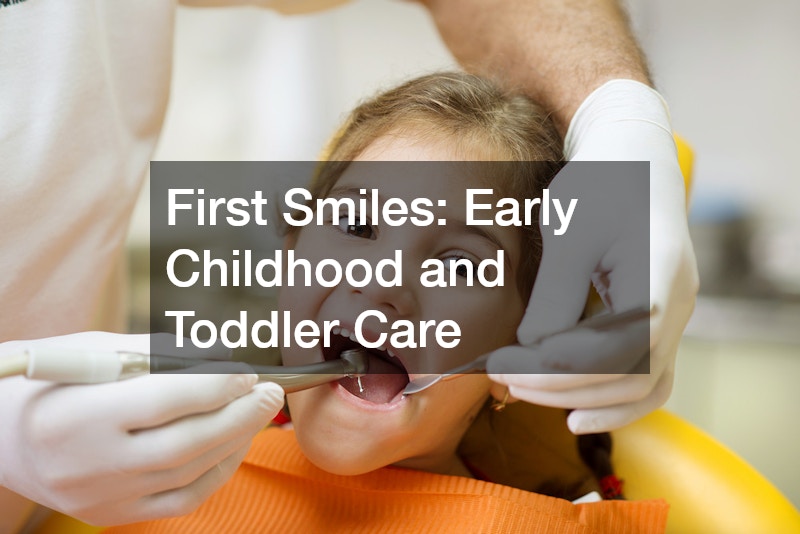
The journey of oral health begins long before all twenty primary teeth surface. Most infants begin teething around six months of age, a period marked by drooling and uncomfortable gum pressure. While these primary teeth eventually fall out, their role in early development is critical. They enable nutrition by allowing toddlers to chew solid foods, facilitate early speech sounds, and serve as biological space maintainers for permanent teeth developing beneath the surface. Premature loss of baby teeth due to decay can cause neighboring teeth to shift, leading to severe crowding when adult teeth emerge.
Establishing a comfortable dental routine during these initial years helps prevent early childhood caries, often referred to as bottle tooth decay. Parents should begin cleaning an infant’s gums with a soft cloth even before teeth appear, transitioning to a tiny smear of fluoride toothpaste once the first tooth breaks through. Bringing a child to a pediatric dentist by their first birthday allows professionals to monitor jaw growth, check for tissue ties, and offer guidance on thumb-sucking habits.
Creating a supportive environment during these early interactions shapes how children view clinical settings. An experienced childrens dentist knows how to turn what could be an overwhelming experience into an engaging, gentle activity. By utilizing child-friendly language and positive reinforcement, clinicians help toddlers build trust. Early intervention also includes discussions about dietary habits, such as limiting sugary juice cups at bedtime, which remains a primary driver of enamel erosion in young children.
Furthermore, establishing a consistent daily routine early on instills positive habits that children carry into adolescence. Simple strategies like turning toothbrushing into a two-minute song or using colorful timers keep toddlers engaged while ensuring thorough cleaning. When parents prioritize these early habits, they lay a strong foundation that reduces anxiety and protects developing teeth during crucial developmental windows.
School Years and Mixed Dentition
Between the ages of six and twelve, children enter the mixed dentition phase, characterized by a combination of baby teeth and newly emerging permanent teeth. This stage brings significant physical growth as primary incisors loosen and make way for larger adult counterparts. Parents frequently notice differences in color and alignment, as permanent teeth naturally contain more dentin and appear yellower than bright white primary teeth. Managing this stage requires vigilant daily hygiene, as uneven gaps create hidden pockets where food particles and plaque accumulate.
During elementary and middle school years, preventative measures play a crucial role in protecting fresh adult enamel from decay. Deep grooves on the chewing surfaces of newly erupted molars are vulnerable to bacteria because toothbrush bristles cannot reach into narrow fissures. Applying thin protective coatings, known as dental sealants, creates a smooth barrier that significantly reduces cavity risks. Regular checkups with a general dentist allow clinicians to evaluate bite development, assess airway health, and check for early signs of crowding that benefit from early orthodontic guidance.
Along with preventative treatments, routine professional maintenance becomes a core habit. Scheduling a thorough teeth cleaning every six months removes hardened plaque deposits, known as calculus, which cannot be brushed away at home. These visits offer an ideal opportunity for hygienists to coach growing children on effective brushing techniques, encouraging independence. Furthermore, for children involved in sports, custom-fitted mouthguards should be introduced to protect developing teeth and jaws from accidental impact injuries.
This developmental era also coincides with increased autonomy over dietary choices, particularly at school. Children often encounter increased access to sugary snacks, carbonated beverages, and sticky treats. Educating young students on how these foods interact with oral bacteria helps them make smarter choices, protecting their newly erupted adult enamel during a vulnerable phase.
Adolescence and Early Adulthood: Orthodontics and Habits
As teenagers transition into young adulthood, oral health needs become tied to lifestyle factors, independent dietary choices, and rapid biological changes. Adolescence is frequently when orthodontic treatments reach their peak. Correcting misaligned teeth and bite discrepancies does far more than improve appearance; properly aligned teeth are easier to clean, reducing long-term risks of periodontitis and uneven wear. However, wearing traditional braces or clear aligners demands meticulous hygiene, as appliances create extra surfaces where plaque collects and causes enamel staining.
The teenage years also bring unique structural milestones, most notably the arrival of third molars, commonly known as wisdom teeth. Emerging between ages seventeen and twenty-five, these late-blooming molars frequently lack sufficient space to erupt properly within the modern human jaw. Impacted wisdom teeth can push against adjacent teeth, cause localized gum infections, or form uncomfortable cysts. Routine imaging performed at a modern dental office enables practitioners to track third molar development early, helping patients decide whether proactive extraction is necessary before severe complications arise.
Beyond structural shifts, young adults face increased exposure to dietary habits and physical activities carrying specific risks. High consumption of acidic energy drinks, sports beverages, and processed snacks rapidly erodes young enamel, leading to sensitivity and decay. Additionally, participation in sports or unexpected accidents means dental trauma remains a constant possibility. Knowing how to locate an emergency dentist when an adult tooth is chipped, cracked, or completely dislodged can mean the difference between saving a natural tooth and losing it permanently, making quick action essential.
Young adulthood is also a time when lifestyle choices like vaping, smoking, or oral piercings enter the picture. These factors can introduce severe oral health risks, including severe tissue irritation, recession, and elevated bacterial growth. Open communication between young adults and healthcare providers ensures these risks are addressed constructively before long-term structural damage occurs.
Mid-Life Oral Wellness: Maintenance and Restorative Focus
Entering middle adulthood—spanning from one’s twenties through fifties—brings a shift from growth to long-term maintenance and structural preservation. Decades of chewing, grinding, and exposure to acidic foods gradually wear down enamel, making teeth susceptible to microscopic fractures and staining. Furthermore, chronic stress often manifests physically during these years as nocturnal bruxism, or teeth grinding. Left unaddressed, nocturnal clenching flattens biting surfaces, cracks existing restorations, and creates painful tension in the temporomandibular joint. Custom night guards are frequently recommended during mid-life to buffer these heavy mechanical forces.
Gum health becomes an equally critical priority during middle age. Periodontal disease, an inflammatory condition damaging soft tissue and bone supporting the teeth, develops silently over time. In its early stage, known as gingivitis, gums bleed slightly during brushing; as it progresses into periodontitis, deep bacterial pockets form, leading to tissue recession and bone destruction. Mid-life care focuses heavily on deep scaling, root planing, and personalized home care strategies to halt inflammatory damage before it threatens structural stability.
For many adults, mid-life is a time when aesthetic concerns come to the forefront. Professional accomplishments and social interactions motivate individuals to address long-standing cosmetic insecurities, such as discoloration, uneven margins, or old, discolored silver fillings. Consulting a specialized cosmetic dentist allows adults to explore modern solutions like porcelain veneers, professional whitening treatments, and composite bonding to revitalize their visual presentation.
However, undergoing restorative or aesthetic procedures can trigger anxiety for busy adults with past negative experiences. To make comprehensive treatments comfortable and stress-free, visiting a sedation dentist offers a practical solution. Options ranging from mild nitrous oxide inhalation to intravenous sedation allow patients to undergo extensive restorative work without experiencing discomfort or elevated stress levels, ensuring fear never hinders necessary care.
Active Senior Years: Restorative Innovations and Tooth Retention
As adults enter their fifties and sixties, the primary objective shifts toward maintaining natural tooth structure and replacing lost function with durable solutions. Natural aging processes, combined with years of physiological wear, can leave teeth brittle and prone to structural failure. Teeth with large fillings from previous decades often require full-coverage crowns to prevent surrounding walls from splitting under heavy chewing pressure. Moreover, gum tissue naturally recedes over time, exposing root surfaces that lack protective enamel, leaving them vulnerable to fast-progressing root caries.
When teeth are lost due to severe decay, advanced periodontal disease, or physical trauma, replacing them becomes vital for preserving facial structure and speech clarity. Missing teeth cause the surrounding jawbone to reabsorb into the body, leading to a collapsed facial profile and shifting neighboring teeth. To restore function and maintain bone volume, many older adults elect to undergo dental implant surgery. Dental implants serve as artificial titanium roots embedded into the jawbone, providing a solid foundation for crowns, bridges, or snap-in dentures that function remarkably like natural teeth.
Selecting the right practitioner to navigate these intricate restorative procedures is crucial for long-term success. An experienced general dentist coordinates complex care plans that combine restorative crowns, bone grafting, implant placement, and bite realignment. By systematically restoring worn biting surfaces and replacing missing teeth, seniors maintain an active lifestyle, enjoy a varied diet without pain, and preserve personal confidence well into their senior years.
Golden Years: Advanced Care and Whole-Body Health
In the later stages of retirement—ages seventy and beyond—the connection between oral health and systemic medical conditions becomes more prominent. Older adults frequently manage chronic health issues such as diabetes, cardiovascular disease, osteoporosis, and cognitive decline, all of which interact directly with oral health. Uncontrolled periodontal inflammation can make managing blood sugar levels significantly more challenging for diabetic patients, while oral bacteria can enter the bloodstream and contribute to arterial inflammation or respiratory infections in frail individuals.
A common challenge faced by seniors in this age bracket is xerostomia, or chronic dry mouth, often caused by prescription medications for blood pressure, depression, or pain management. Saliva plays an indispensable role in washing away food particles, neutralizing acidic bacterial byproducts, and delivering minerals back to enamel. When saliva production drops, the risk of explosive tooth decay rises rapidly. Managing dry mouth requires targeted interventions, such as specialized saliva substitutes, fluoride varnishes, and more frequent visits for a professional teeth cleaning to control plaque buildup.
Dexterity limitations caused by arthritis or diminished motor control can make effective manual brushing and flossing difficult for older individuals. Adapting home care routines—such as switching to broad-handled electric toothbrushes, flossing picks, or water flossers—helps seniors maintain independence. Having a compassionate family dentist who understands the complexities of aging ensures care plans remain realistic, gentle, and tailored to changing physical abilities and cognitive comfort levels.
Creating a Lasting Foundation for Oral Wellness
Maintaining a healthy smile across an entire lifespan is the direct result of adapting care to meet the biological needs of each life stage. From the arrival of those very first primary teeth in toddlerhood to the delicate management of oral conditions in late retirement, every phase of human development requires a thoughtful, tailored approach. By understanding these shifting priorities, individuals can make informed decisions that protect both their oral health and overall quality of life.
Partnering with a welcoming and well-equipped dental office provides access to continuous monitoring, preventative guidance, and advanced therapeutic interventions needed to navigate these transitions smoothly. When clinical expertise combines with consistent daily maintenance at home, preserving a strong, functional, and radiant smile becomes an achievable reality at every age. Investing in lifelong dental wellness ensures every chapter of life is marked by comfort, confidence, and the freedom to smile without hesitation.
Ultimately, proactive oral care is one of the most rewarding investments a person can make in their health and well-being. By taking early preventative steps and adjusting habits as time passes, individuals ensure their smiles remain strong, bright, and resilient through every season of life.
About the Author