
Oral health issues rarely announce themselves with advance warning. A person might sit down for dinner, enjoy a hot beverage, or simply wake up in the middle of the night to an excruciating sensation radiating through the jaw. A sudden tooth ache can derail an entire day, making it impossible to concentrate on work, enjoy food, or get a restful night of sleep. Understanding how dental emergencies arise and knowing the proper steps to take can reduce anxiety and prevent temporary pain from developing into a long-term medical nightmare. Having access to a dependable practitioner means that sudden incidents do not turn into long-term complications.
When severe pain strikes, immediate action becomes essential. Tooth pain often stems from underlying infection, severe decay, deep cracks, or trauma that exposes delicate neural tissue inside the pulp chamber. Ignoring these warning signs usually allows the condition to worsen, as bacterial growth spreads deeper into the root system and surrounding bone structure. While over-the-counter pain relievers might offer temporary relief, they only mask symptoms without treating the underlying cause of the discomfort. Emergency care focuses on identifying whether the issue stems from an abscessed nerve, a broken restoration, or severe deep tissue inflammation.
Finding a trusted dental office with emergency availability is the crucial first step toward long-term relief. Professional diagnostic evaluations use digital radiography and targeted visual exams to pinpoint the exact source of discomfort. Dentists evaluate whether the pulp can be saved through root canal therapy or if infection has progressed to a point where removal is necessary. Early intervention not only stops the pain quickly but also preserves as much natural bone and tissue structure as possible, laying a solid foundation for future restorative treatments. Patient comfort remains the primary objective during these emergency visits, ensuring that pain control is established immediately before formulating a complete recovery plan.
Surgical Intervention for Complex Dental Conditions
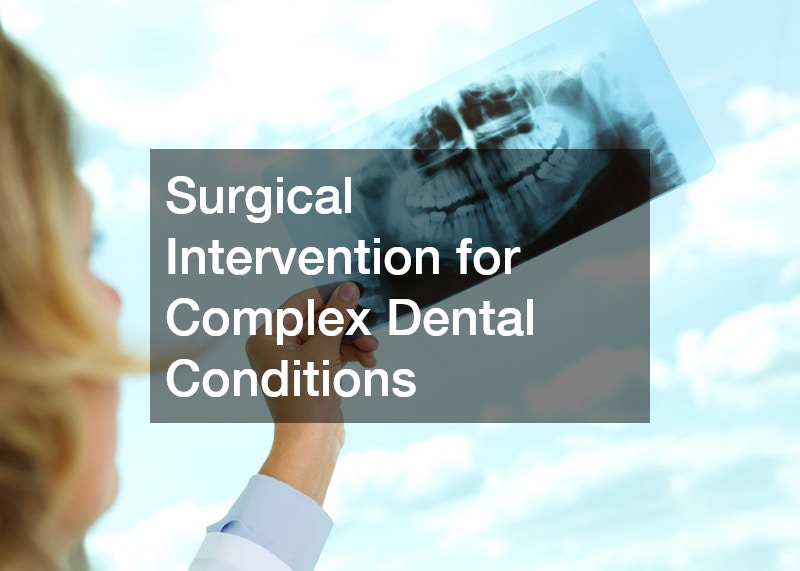
In many cases, acute pain or structural crowding originates further back in the mouth due to impacted third molars. These rear teeth often lack sufficient space to erupt properly, causing them to push against existing teeth, grow at awkward angles, or remain trapped beneath the gumline. When impacted teeth create chronic pressure, recurring cysts, or persistent localized infections, professional surgical intervention becomes unavoidable.
Undergoing a wisdom tooth extraction is a routine procedure designed to protect adjacent teeth from damage and alleviate deep-seated jaw pressure. Leaving impacted third molars untreated can compromise the alignment of the entire arch and create hard-to-clean pockets where bacteria flourish. By removing problematic teeth early, clinicians prevent complex periodontal issues and safeguard the structural stability of the surrounding jawbone. Modern extraction techniques prioritize gentle handling of tissue, minimizing swelling and ensuring a predictable recovery period for patients of all ages. In addition, early extraction prevents future crowding issues that might complicate subsequent alignment interventions.
For cases involving complex bone structures, nerve proximity, or severely impacted roots, general dentists often collaborate with a qualified oral surgeon. These specialists possess advanced training in surgical protocols, bone preservation, and specialized sedation options, ensuring that even intricate extractions proceed smoothly. Sedation choices range from mild conscious sedation to general anesthesia, allowing patients to remain completely relaxed throughout surgical procedures. Post-operative care plans typically involve tailored pain management, specific dietary adjustments, and careful monitoring to support rapid tissue healing. Addressing surgical needs early stops recurring pain cycles, clears structural blockages, and establishes a healthy environment for future smile restoration.
Proper post-surgical care plays a vital role in preventing complications such as dry socket or localized swelling. Patients receive detailed instructions regarding gentle rinsing, avoiding straw usage, and maintaining adequate hydration. Following these guidelines ensures that the surgical site heals smoothly, preparing the jaw for any necessary long-term restorative procedures.
Preventive Care and Everyday Oral Maintenance
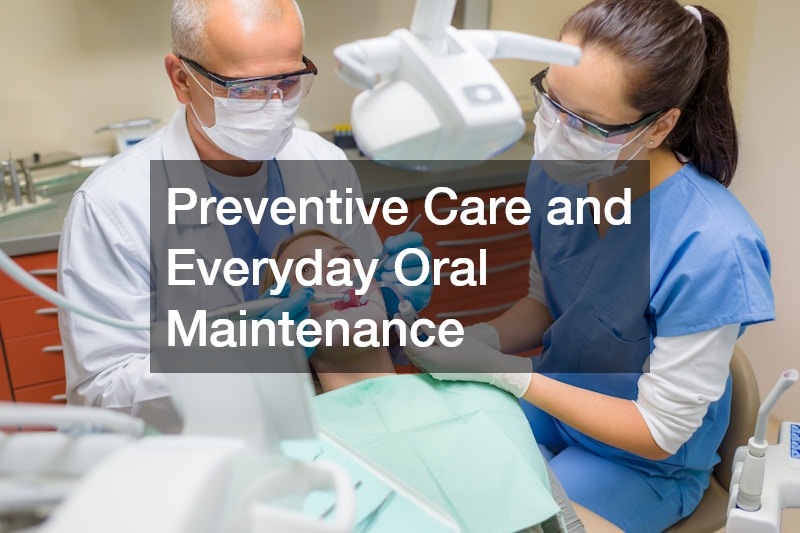
While emergency interventions address sudden pain and surgical extractions remove compromised structures, routine preventive maintenance forms the backbone of long-term oral health. Even the most advanced restorative dentistry cannot succeed if foundational hygiene practices are neglected. Plaque and tartar accumulate continuously along the gumline, harboring harmful bacteria that erode enamel and cause chronic gum inflammation.
Daily oral hygiene routines rely heavily on effective tooth cleaners, such as specialized electric toothbrushes, interdental brushes, water flossers, and therapeutic oral rinses. These tools help remove microscopic debris and sticky biofilm from hard-to-reach surfaces where standard manual brushing often falls short. Using proper brushing techniques alongside targeted interdental aids prevents soft tissue irritation and protects against periodontal disease. Maintaining clean tooth surfaces also reduces the risk of recurrent decay around existing fillings, crowns, and natural tooth structures. Consistent mechanical removal of plaque prevents standard surface stains from embedding deep into enamel matrix structures over time.
Professional dental cleanings supplement home care by removing hardened calculus that standard brushing cannot dislodge. Hygienists use specialized ultrasonic instruments and fine hand scalers to clear deposits above and below the gumline. Regular checkups also allow clinicians to detect subtle signs of enamel wear, micro-fractures, or early gum disease long before symptoms become painful. Consistent preventative care creates a clean, stable foundation, ensuring that future restorative or cosmetic procedures remain durable and aesthetically pleasing over the long haul. Routine hygiene appointments also provide an opportunity for patients to receive personalized guidance on dietary habits, brushing pressure, and product selection tailored to their specific anatomy.
Additionally, maintaining optimal preventive care helps preserve the longevity of previous dental work. Dental restorations require the same level of care as natural enamel to prevent bacterial accumulation at the margins where restorations meet natural tooth structure.
Structural Replacement with Permanent Dental Implants
When a tooth is lost due to severe decay, injury, or extraction, replacing it quickly is essential for preserving oral health. Missing teeth create gaps that allow neighboring teeth to drift out of alignment, altering the bite and putting excess pressure on remaining natural teeth. Over time, the absence of tooth roots leads to progressive jawbone loss, as the surrounding bone tissue no longer receives the functional stimulation required to maintain its density over time.
Modern dental implants offers a permanent solution by replacing both the root and the crown of a missing tooth. Constructed from biocompatible titanium, the implant post is surgically anchored directly into the jawbone. Over several months, a natural biological process called osseointegration occurs, wherein the surrounding bone fuses securely with the titanium post. Once fully integrated, the post acts as a sturdy artificial root capable of supporting a custom-crafted porcelain crown. Unlike traditional dental bridges, this solution does not require reshaping adjacent healthy teeth for support, making it an ideal choice for single or multiple tooth replacements.
Finding a skilled provider to place a local dental implant ensures convenient follow-up care and personalized attention throughout the healing journey. Patients benefit from easy access to preliminary consultations, 3D digital imaging assessments, surgical placement, and final crown fittings within their own community. Choosing a nearby practice makes it easier to attend routine checkups, address minor healing questions, and monitor long-term integration, providing total peace of mind as the new restoration settles permanently into place.
In addition to restoring chewing functionality, replacing missing teeth restores natural facial geometry. Without root support, bone reabsorption can lead to a premature aging appearance around the mouth and chin. Early replacement preserves facial fullness and supports long-term joint health.
Advanced Reconstruction Techniques and Full Arch Solutions
For patients suffering from multiple missing teeth, severe bone degradation, or advanced periodontal breakdown, basic single-tooth restorations may not offer sufficient structural support. In these complex scenarios, comprehensive restorative options are required to rebuild both form and function across an entire arch. Modern clinical techniques have evolved significantly, allowing dental professionals to restore complete rows of missing teeth with exceptional stability and lifelike aesthetics.
The field of implant dentistry encompasses advanced procedures designed to restore full chewing function and natural facial contours. Using strategic placement of four to six implants per arch, dentists can anchor full-arch fixed prostheses securely in place. This approach eliminates the slippage, gum irritation, and speech difficulties frequently associated with traditional removable dentures. Guided surgery technology utilizes precise 3D scans to map bone density and neural pathways before placement, maximizing surgical accuracy and reducing healing times for patients undergoing complex reconstructive procedures.
Beyond individual tooth replacement, full-arch reconstruction stabilizes the overall bite dynamics and prevents facial collapsing caused by jawbone shrinkage. When bone loss has already occurred, specialized bone grafting or sinus lift procedures can rebuild necessary bone volume prior to placing the fixtures. These advanced surgical techniques enable patients who were once considered poor candidates for permanent restorations to regain full chewing ability, improve nutritional intake, and smile with renewed confidence.
Rebuilding complex full-arch cases requires detailed pre-treatment planning and digital simulation. Modern software allows clinicians to preview force distribution across the upper and lower jaws, ensuring that the final prosthetic teeth bite together with balanced comfort and optimal mechanical efficiency. Patients receiving full-arch restorations often experience an immediate improvement in speech clarity and daily confidence, as full fixed arches function virtually identically to natural, healthy teeth.
Clear Alignment Solutions for Modern Orthodontics
Once the structural foundation and missing teeth are properly addressed, alignment becomes the next step in creating a balanced, healthy smile. Misaligned teeth do not merely affect appearance; they can also create uneven wear patterns, contribute to temporomandibular joint discomfort, and make daily oral hygiene difficult. Correcting alignment creates a harmonious bite structure where forces are distributed evenly across all teeth during chewing.
Many adults and teenagers prefer clear aligner therapy, such as Invisalign, over traditional metal brackets and wires. Clear aligners are custom-molded from smooth, transparent plastic, making them virtually invisible during everyday conversation. Patients appreciate the ability to remove the aligners while eating, drinking, brushing, and flossing, which simplifies oral hygiene maintenance compared to fixed orthodontic appliances. Digital intraoral scanning allows dentists to design precise movement plans, showing patients a virtual roadmap of their smile transformation before treatment even begins.
Wearing clear aligners sequentially moves teeth incrementally into their optimal positions over time. Each set of trays is worn for approximately one to two weeks before progressing to the next stage in the series. Regular progress checks ensure that teeth move safely according to schedule while minimizing discomfort. Achieving proper alignment not only enhances facial symmetry but also makes tooth surfaces significantly easier to clean, protecting restored and natural teeth against future decay, plaque buildup, and unnecessary tissue strain. Patients can maintain their active lifestyle without worrying about wires loosening or brackets snapping during daily activities.
In addition to physical health advantages, clear alignment treatment offers significant psychological benefits. Individuals who feel self-conscious about crooked or overlapping teeth can discreetly improve their smile alignment without feeling self-conscious during social or professional interactions. The continuous progress visible with transparent aligners encourages patients to maintain diligent oral hygiene throughout treatment.
Finishing Touches with Cosmetic Dentistry
With acute pain resolved, structural gaps filled, and alignment corrected, final aesthetic refinements bring the smile to its full potential. Cosmetic treatments focus on enhancing color, shape, symmetry, and proportion while maintaining natural function. Achieving a balanced smile often involves subtle adjustments that enhance a patient’s overall facial aesthetics and boost self-confidence.
Partnering with an experienced cosmetic dentist allows individuals to customize treatment plans tailored to their unique features and preferences. Treatment options range from professional teeth whitening to eliminate stubborn discoloration to delicate porcelain veneers that cover stubborn chips, deep stains, or uneven gaps. Porcelain veneers consist of thin, durable shells bonded directly to the front surface of teeth, offering a long-lasting, natural-looking transformation. Dentists evaluate facial proportions, lip lines, and skin tone to ensure that cosmetic enhancements look natural and age-appropriate.
Ultimately, transitioning from emergency care to complete smile restoration is a step-by-step journey that restores both health and self-assurance. Addressing immediate discomfort establishes a solid clinical foundation, while modern alignment and aesthetic techniques complete the transformation. Investing in comprehensive dental care not only restores essential chewing function and protects structural integrity but also yields a brilliant, healthy smile that lasts for years to come. Ultimately, a restored smile empowers individuals to engage in daily conversations and professional presentations with total confidence.
Beyond individual aesthetic enhancements, comprehensive cosmetic care takes into account how teeth support the surrounding facial structures. Properly proportioned and aligned restorations provide structural support for the lips and cheeks, contributing to a vibrant, youthful appearance. By combining advanced clinical techniques with artistic precision, modern practitioners help patients achieve a natural smile that complements their individual facial features, providing functional durability and enduring visual appeal for a lifetime.
About the Author