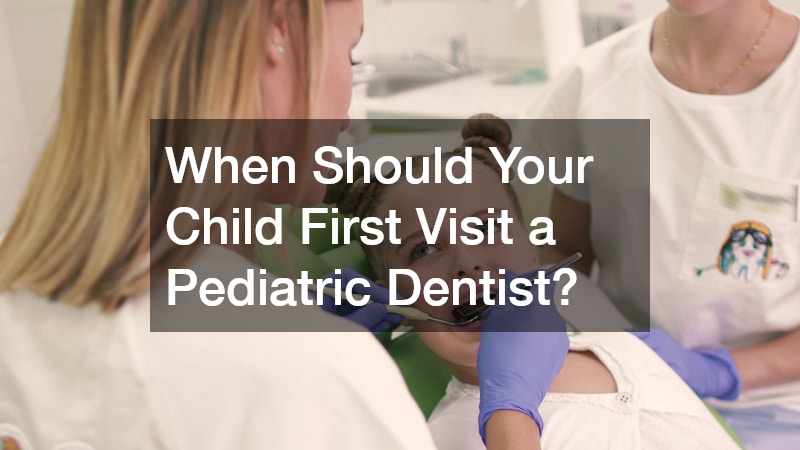
Many parents wonder when they should schedule their child’s first dental appointment. While it may seem unnecessary before all the baby teeth have appeared, early dental care plays an important role in establishing healthy habits and preventing future oral health issues. According to the American Academy of Pediatric Dentistry, children should have their first dental visit by their first birthday or within six months after their first tooth erupts. Starting dental care early allows families to receive guidance on proper oral hygiene, nutrition, teething, and cavity prevention while helping children become comfortable in a dental setting.
Why Is an Early Dental Visit Important?
A child’s first dental visit is about much more than checking for cavities. During the appointment, the dental team evaluates how the teeth and jaws are developing, looks for any early concerns, and provides parents with personalized recommendations for caring for their child’s smile at home. An early visit also helps identify habits such as prolonged thumb sucking or pacifier use that could affect dental development over time.
Introducing children to the dental office while they are young creates positive experiences before they ever need more involved treatment. Instead of associating dental care with discomfort, they learn that routine visits are a normal part of staying healthy. This foundation often leads to greater confidence and less anxiety during future appointments.
What Happens During the First Appointment?
Parents are often surprised by how simple and gentle a baby’s first dental visit is. The appointment typically focuses on education, prevention, and helping the child become familiar with the dental office. The dentist will examine the mouth, gums, jaw, and any erupted teeth while discussing age-appropriate oral care techniques with the parents.
The visit may also include cleaning the teeth if appropriate and applying fluoride if recommended. Parents have the opportunity to ask questions about teething, bottle feeding, breastfeeding, thumb sucking, pacifier use, fluoride, and proper brushing techniques. A pediatric dentist understands how to make these early visits comfortable by using child-friendly communication and creating a welcoming environment designed specifically for young patients.
What Signs Shouldn’t Be Ignored?
Although routine preventive visits are recommended, certain symptoms should prompt parents to schedule an appointment sooner rather than later. Early treatment can prevent small issues from becoming larger, more expensive problems.
Some warning signs include:
- White, brown, or black spots appearing on the teeth
- Swollen, bleeding, or unusually red gums
- Tooth pain or sensitivity
- Injuries involving the teeth or mouth
- Delayed tooth eruption or concerns about tooth development
- Persistent bad breath that doesn’t improve with brushing
- Difficulty chewing or signs of discomfort while eating
Seeking professional evaluation when these symptoms appear allows potential problems to be addressed before they affect a child’s comfort, nutrition, or overall oral development.
How Can Parents Prepare Their Child?
Preparation can make a significant difference in how children experience their first dental appointment. Rather than describing the visit as something to fear, parents should speak positively and confidently about what will happen. Reading children’s books about visiting the dentist or playing pretend dental games at home can help make the experience feel familiar.
Scheduling the appointment during a time when the child is usually well-rested and cooperative can also improve the visit. Bringing a favorite toy or comfort item may help younger children feel more secure. Parents should avoid sharing negative dental experiences of their own, as children often absorb those emotions before they even enter the office. The goal is to help the child view dental visits as a normal part of growing up rather than something intimidating.
How Often Should Children Visit the Dentist?
After the first appointment, most children benefit from routine dental checkups every six months, although some may require more frequent visits depending on their individual oral health needs. Regular examinations allow the dental team to monitor growth, evaluate bite development, provide preventive treatments, and identify concerns before they become serious.
Consistent appointments also reinforce healthy habits established at home. As children grow, they receive age-appropriate education about brushing, flossing, nutrition, and cavity prevention. Visiting a pediatric dentist on a regular schedule helps ensure that each stage of oral development is carefully monitored while giving parents ongoing guidance tailored to their child’s changing needs.
Building Healthy Smiles From the Very Beginning
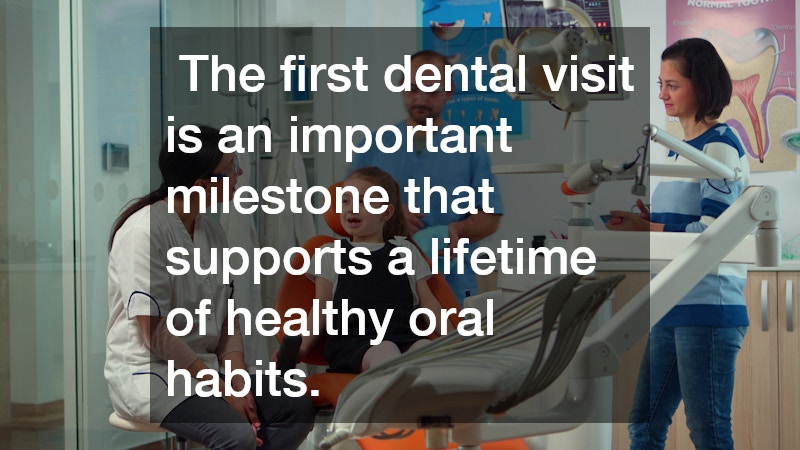
The first dental visit is an important milestone that supports a lifetime of healthy oral habits. Scheduling an appointment by your child’s first birthday provides an opportunity to identify concerns early, receive professional guidance, and help your child develop positive feelings about dental care. Combined with daily brushing, a balanced diet, and regular preventive checkups, early dental visits contribute to stronger teeth and healthier smiles throughout childhood. Choosing an experienced pediatric dentist gives families the support and education they need to confidently care for their child’s oral health from the very beginning.
About the Author